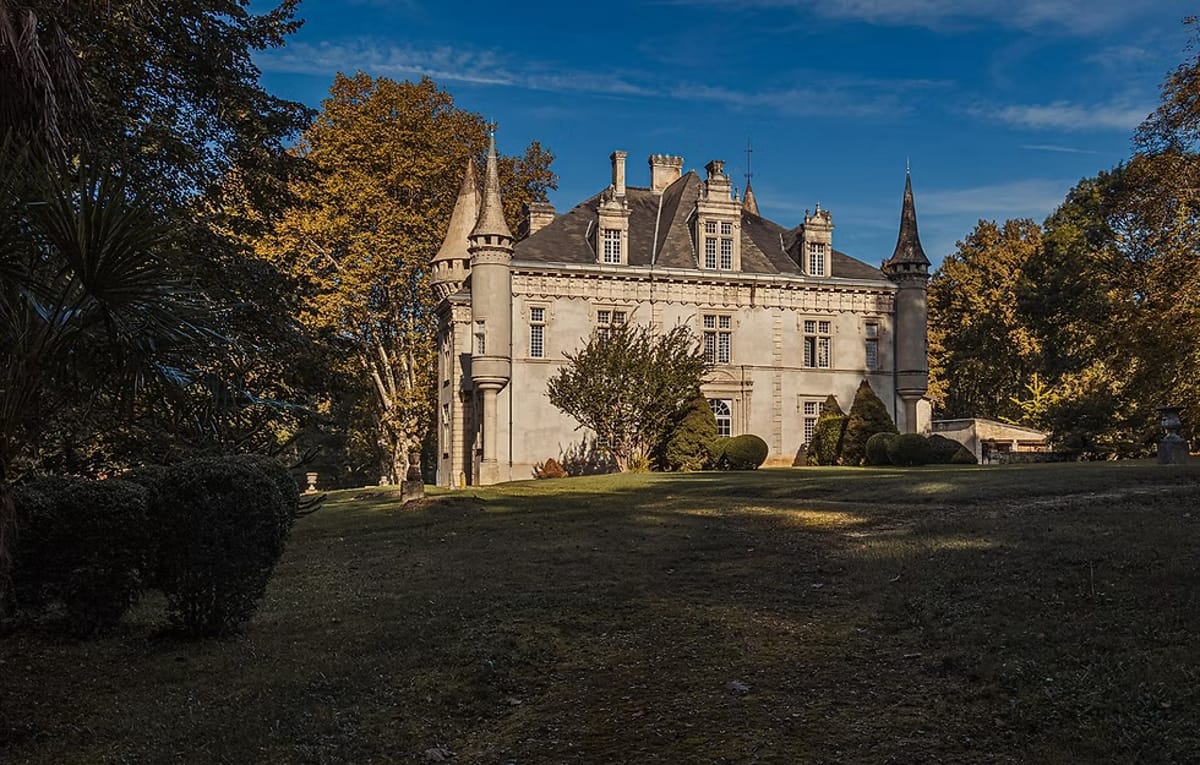
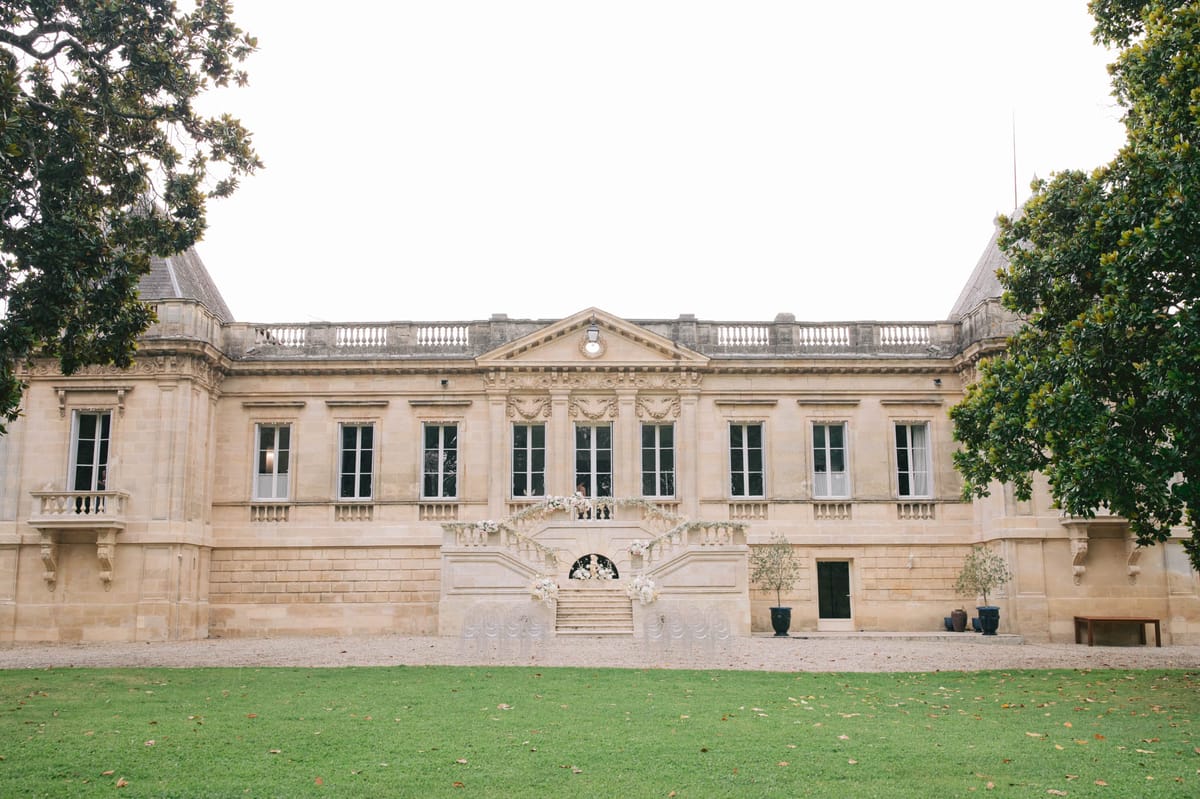
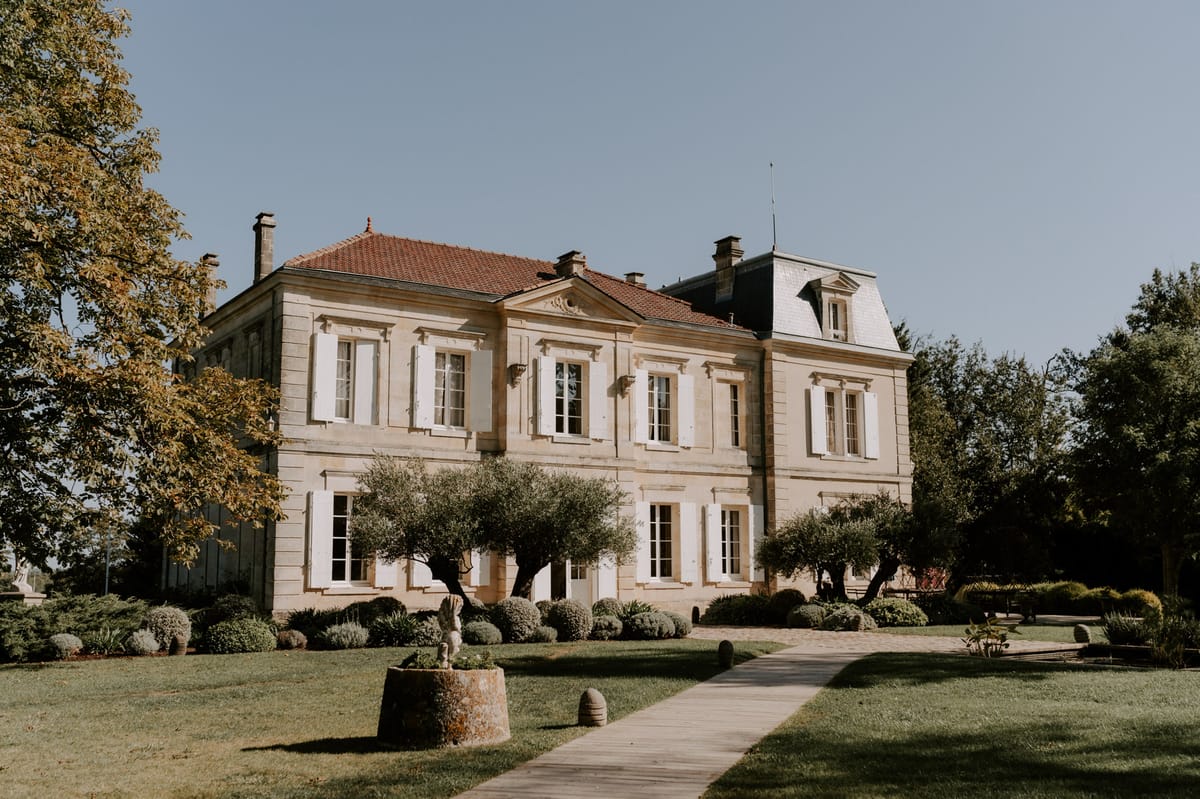
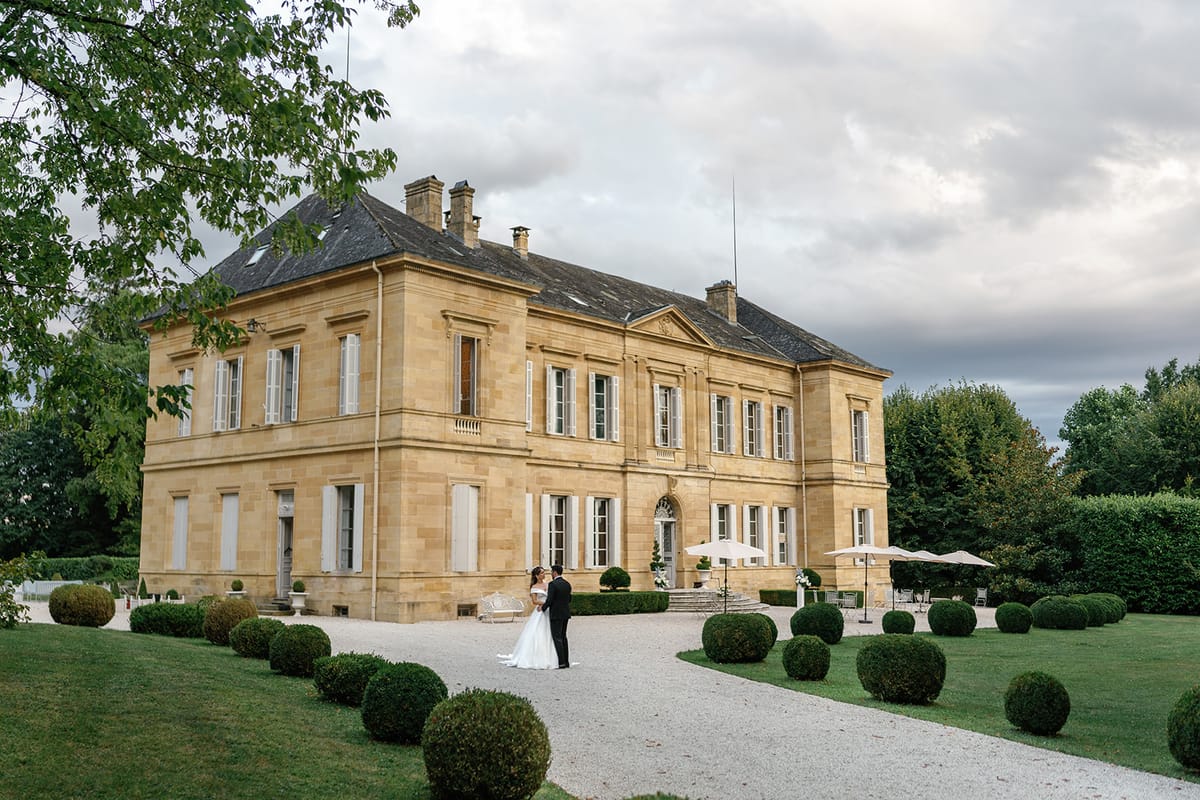
What makes a Bordeaux-region château wedding different from a château wedding elsewhere in France? +
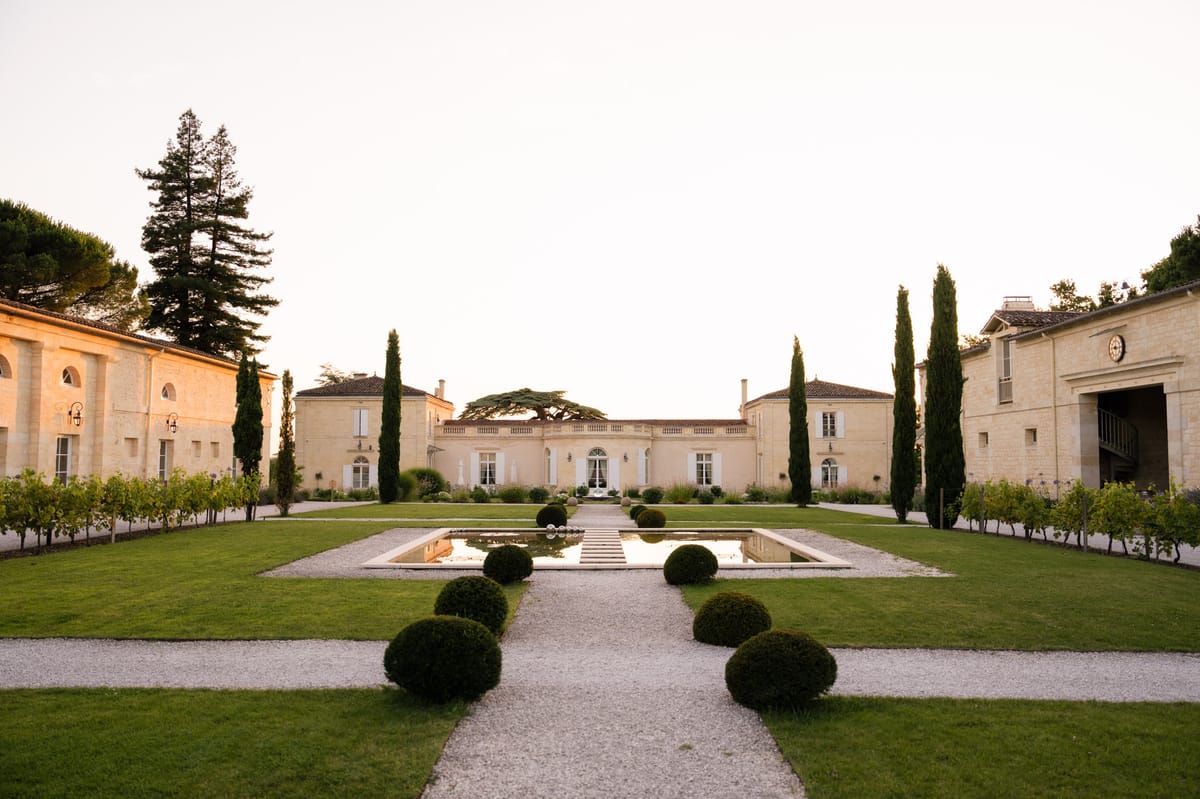
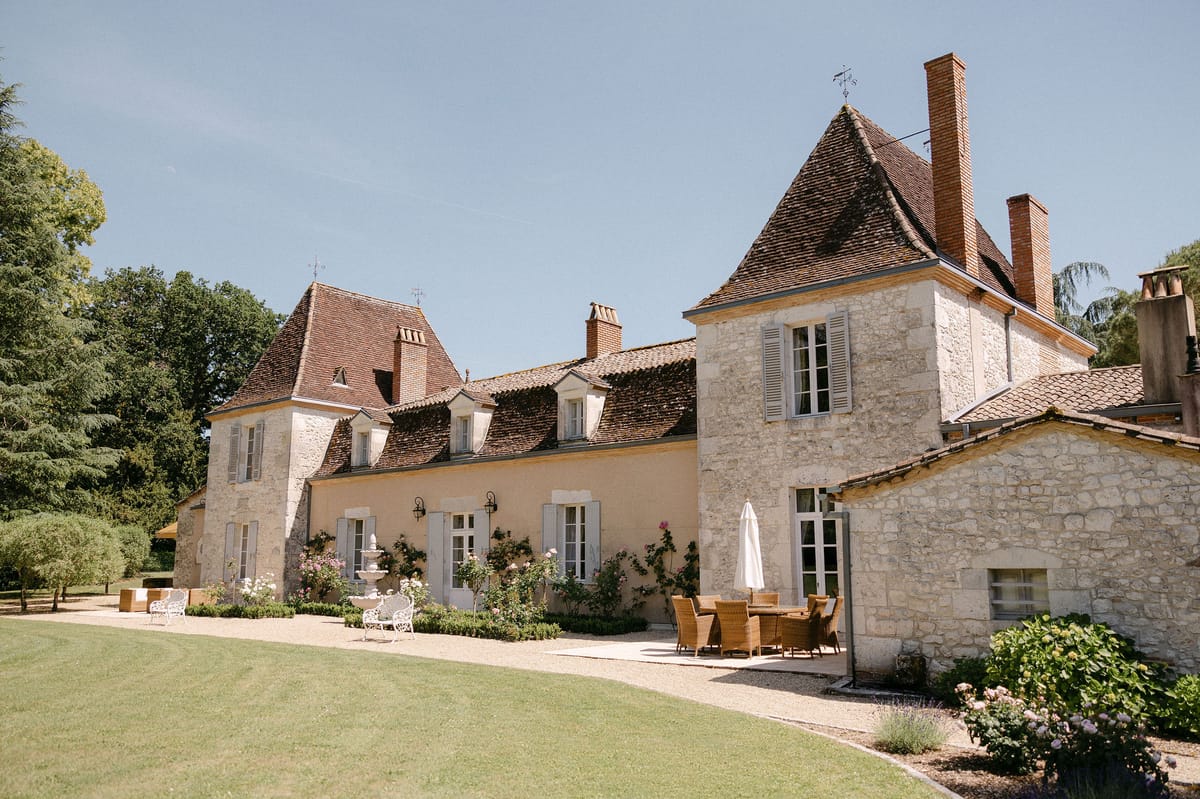
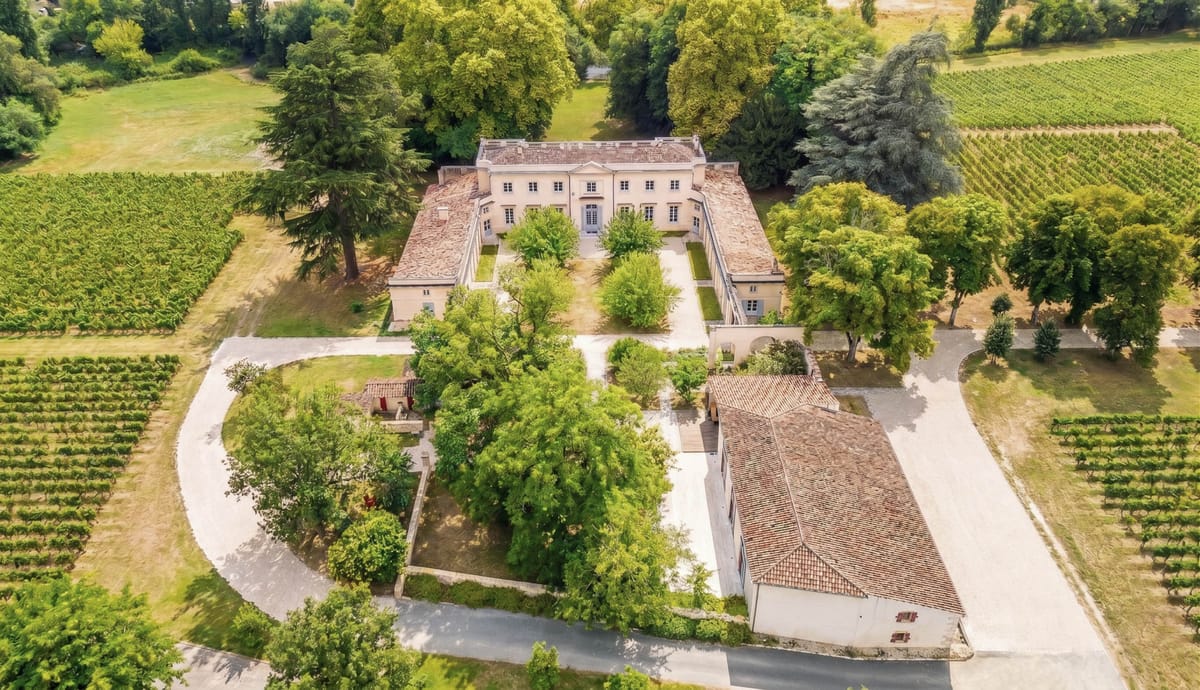
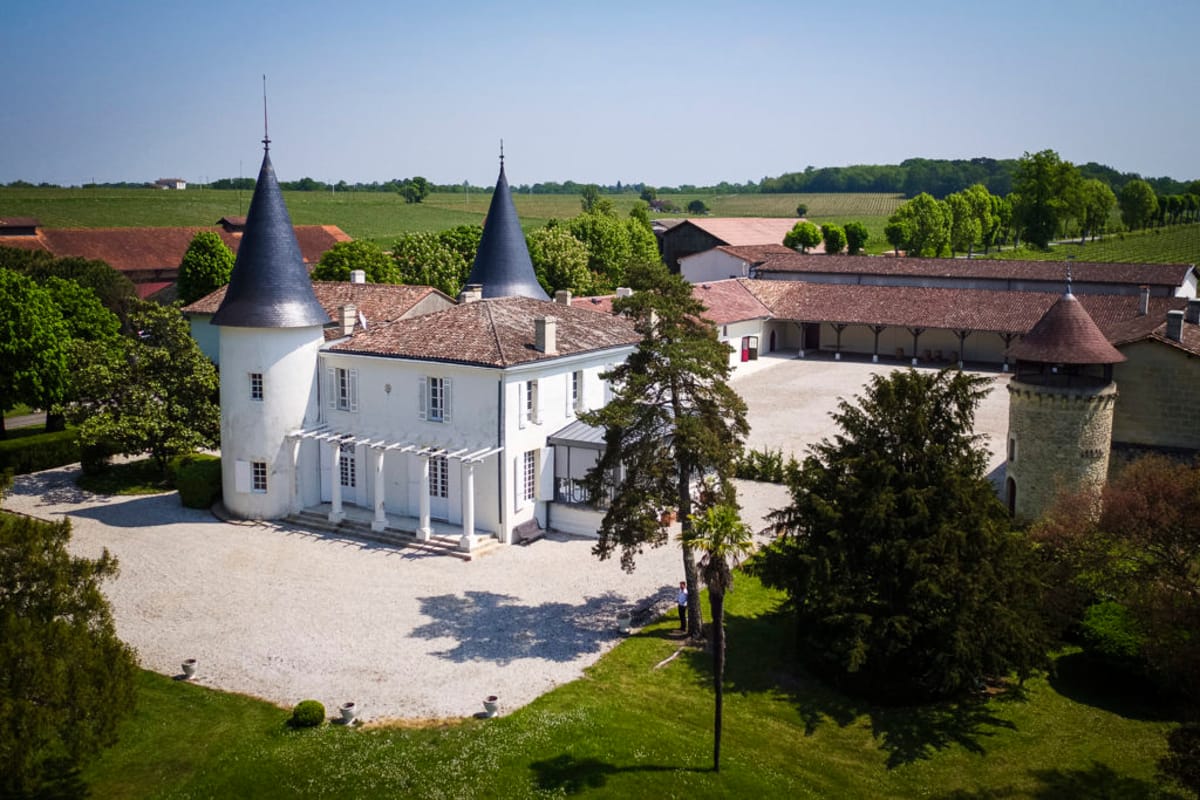
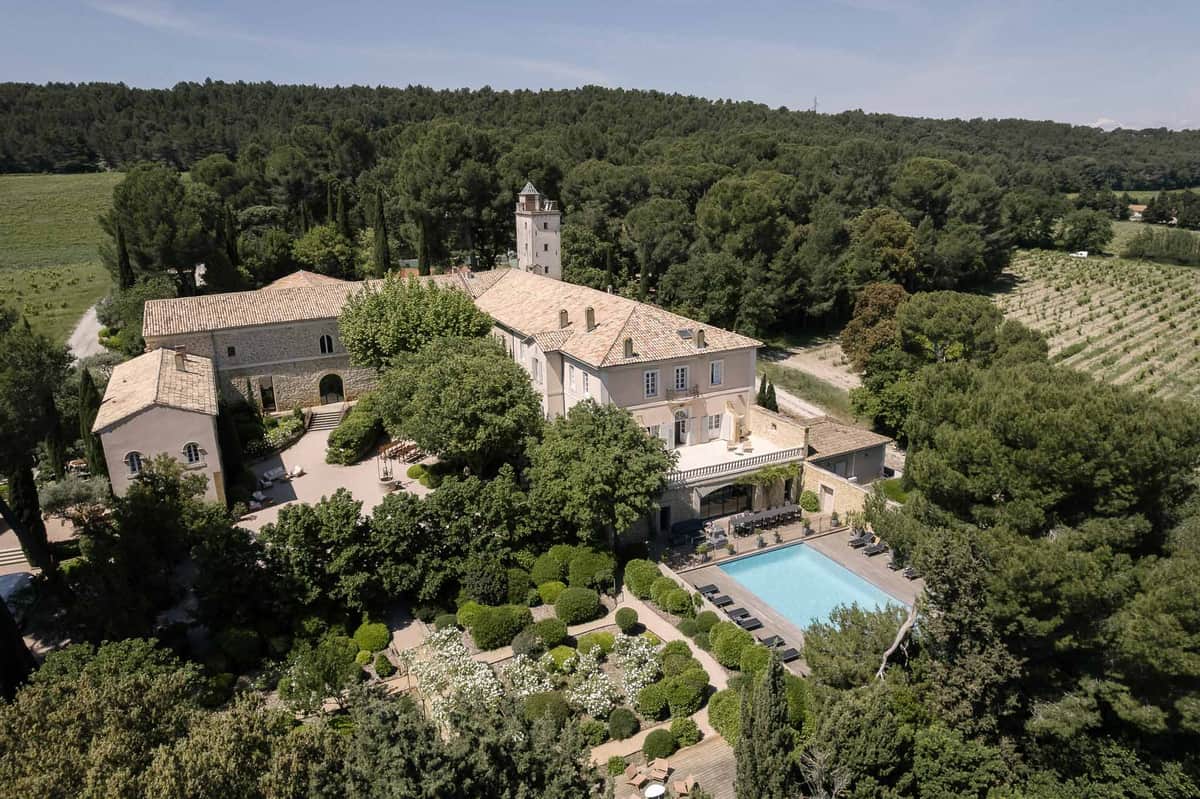
The estate usually sits inside a producing wine terroir rather than near one, so the wine and the catering can be built around the property's own production or its appellation. The setting carries cellars and vineyard rows, the seasonal rhythm follows the vine, and the wine model becomes a central planning decision in a way it is not at a non-working château. The region also offers full weekend exclusive use and on-site accommodation suited to an international guest list.
How do the Bordeaux sub-areas differ; around Bordeaux, Saint-Émilion, the Dordogne, and Cognac? +
The estates closest to Bordeaux city and the airport sit on the left bank and across the Entre-deux-Mers, which suits guests arriving by air. The Saint-Émilion appellation, on the Gironde's right bank near Libourne, carries the most concentrated wine identity and the strongest terroir-led catering. The Dordogne river valley around Bergerac trades direct airport access for a slower, more rural character. The Cognac and Charente country to the north extends into spirit-producing territory with its own estate architecture. Match the sub-area to how far you want guests to travel and how rural you want the setting.
How does the wine work at a Bordeaux château wedding? +
Estates fall into three patterns. Some pour their own estate-bottled wine from on-site production, tying the wedding table to the terroir. Some serve regional appellation wines from a curated cellar without producing on-site. And some run an open model where your caterer supplies the wine. Ask each estate which pattern it runs and whether wine is bundled into the catering price or quoted separately, because the choice shapes both the budget and the character of the dinner service.
Can we hold a legal wedding ceremony at a Bordeaux château? +
Civil marriage in France must take place at a town hall (mairie); no private estate is licensed to perform the legal French civil ceremony. The château hosts a symbolic, blessing, or religious ceremony only. International couples typically complete the legal marriage in their home country and hold a symbolic ceremony at the French estate. Many properties include a private or restored chapel for a religious blessing.
What is the best season for a Bordeaux wine-country wedding? +
Late spring to early autumn carries the peak demand, with the shoulder seasons offering more availability and gentler pricing. The one timing factor specific to wine country is the harvest: working estates run cellar and vineyard activity through the early-autumn harvest weeks, so walk a working property during harvest before committing to a late-September date. The Atlantic climate is milder and sometimes wetter than the south, which makes the wet-weather plan more important here than in the Mediterranean regions.
How do international guests reach a Bordeaux château? +
Bordeaux Mérignac airport takes direct flights from the UK, Ireland, and other European hubs, and high-speed rail connects Bordeaux to Paris. Estates in the Gironde near the airport are the easiest arrival for an international guest list; properties deeper in the Dordogne or Charente involve a longer onward drive. Direct flights fill early in peak season, so lock the date well ahead and favour estates that can advise on guest transfers.
How does accommodation usually work at a Bordeaux château? +
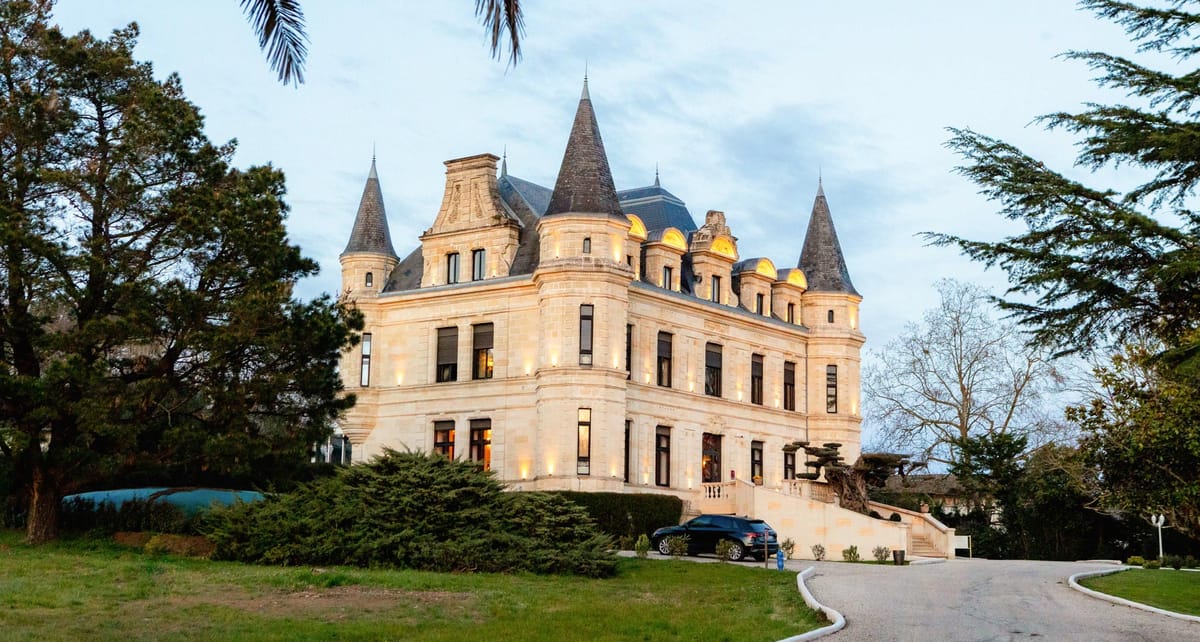
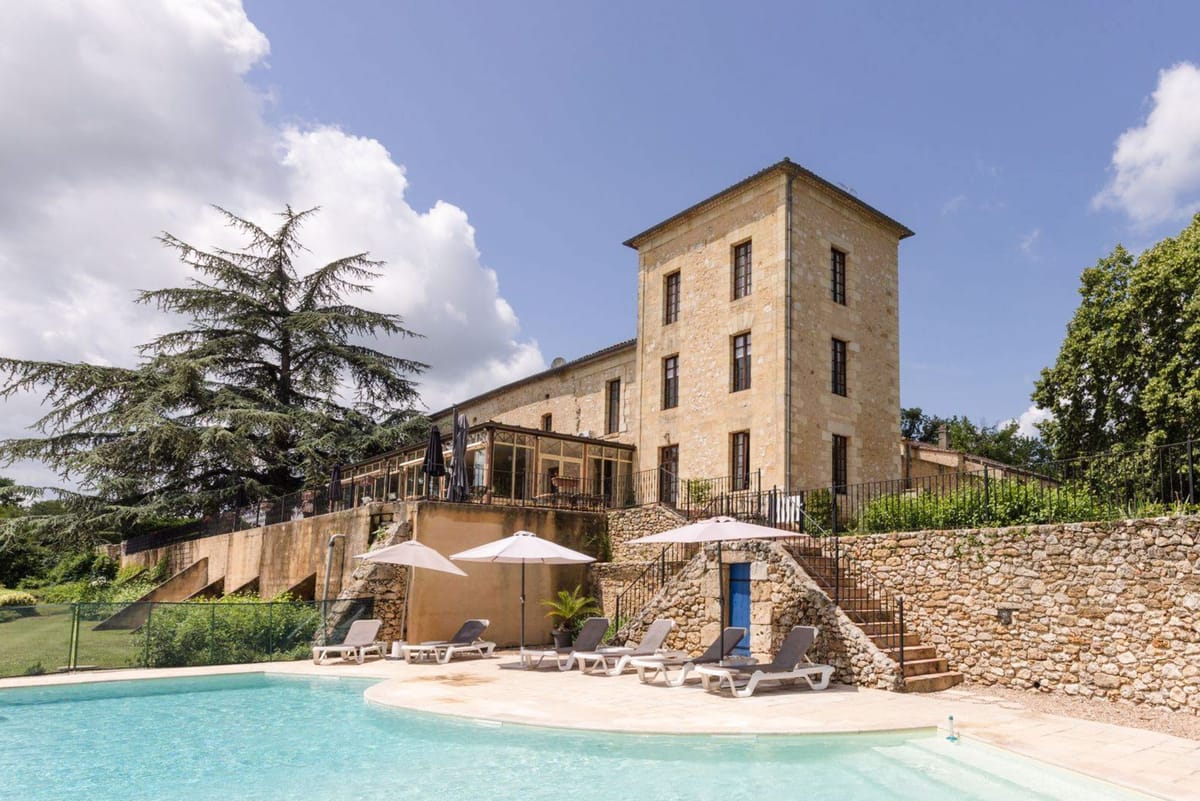
Many estates include on-site bedrooms for the wedding party, which ties the celebration to a weekend format, while the wider guest list stays at nearby hotels or in the town. Some properties operate as event-only venues with no on-site sleeping, and hotel-tier châteaux offer full guest-room inventory. Confirm the pattern at first enquiry, because it shapes both the budget and the shape of the weekend.
Do Bordeaux châteaux offer exclusive, whole-estate hire? +
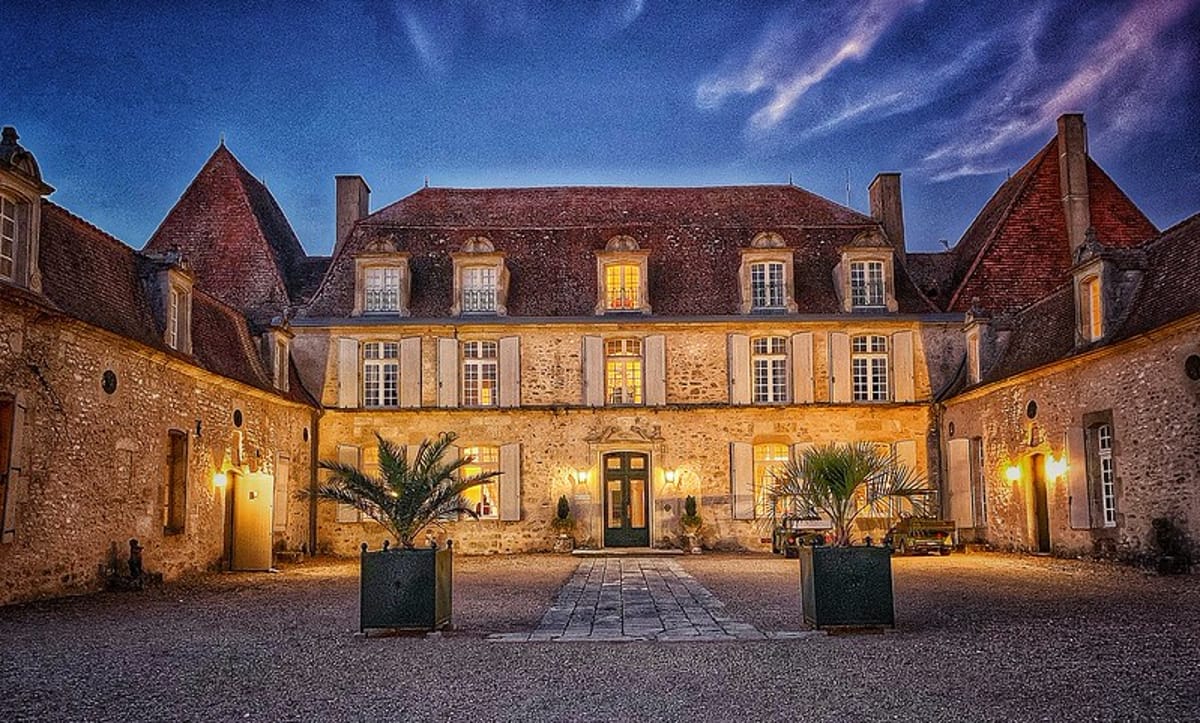
Most are let on an exclusive, whole-estate basis rather than as a single-room hire, so the house and grounds are reserved for one wedding rather than several events at once. That usually means a multi-day weekend rather than a single day, with the ceremony, dinner, and overnight stay all held on the estate. Confirm at first enquiry whether the property runs one event at a time, and whether the hire is dry (venue only) or all-inclusive, because that shapes both the privacy and the budget.
Can we arrange a vineyard visit or wine tasting around the wedding? +
Often, yes. Many wine-country estates can arrange a cellar visit or a guided tasting of estate or appellation wines as part of the wedding weekend, which gives guests an activity rooted in the terroir they are staying in. On a working property the cellars and vine rows are part of the setting, so a tasting can sit naturally before the rehearsal dinner or on the morning after. Ask the estate which wines it can pour and whether tastings are run in-house or by a neighbouring producer.
What is the difference between Bordeaux's left bank and right bank? +
Bordeaux's vineyards divide across the Gironde and Dordogne rivers into a left bank and a right bank, and the distinction shapes both the wine and the journey. The left bank, running south and west of the city through the Médoc and Graves, is the classed-growth heartland and sits closest to the airport. The right bank, around Saint-Émilion and Libourne, carries a more concentrated, terroir-led identity. Neither is better for a wedding, but the side you choose affects how far guests travel from Bordeaux and the character of the wine on the table.
Is there usually an on-site chapel for a religious or symbolic ceremony? +
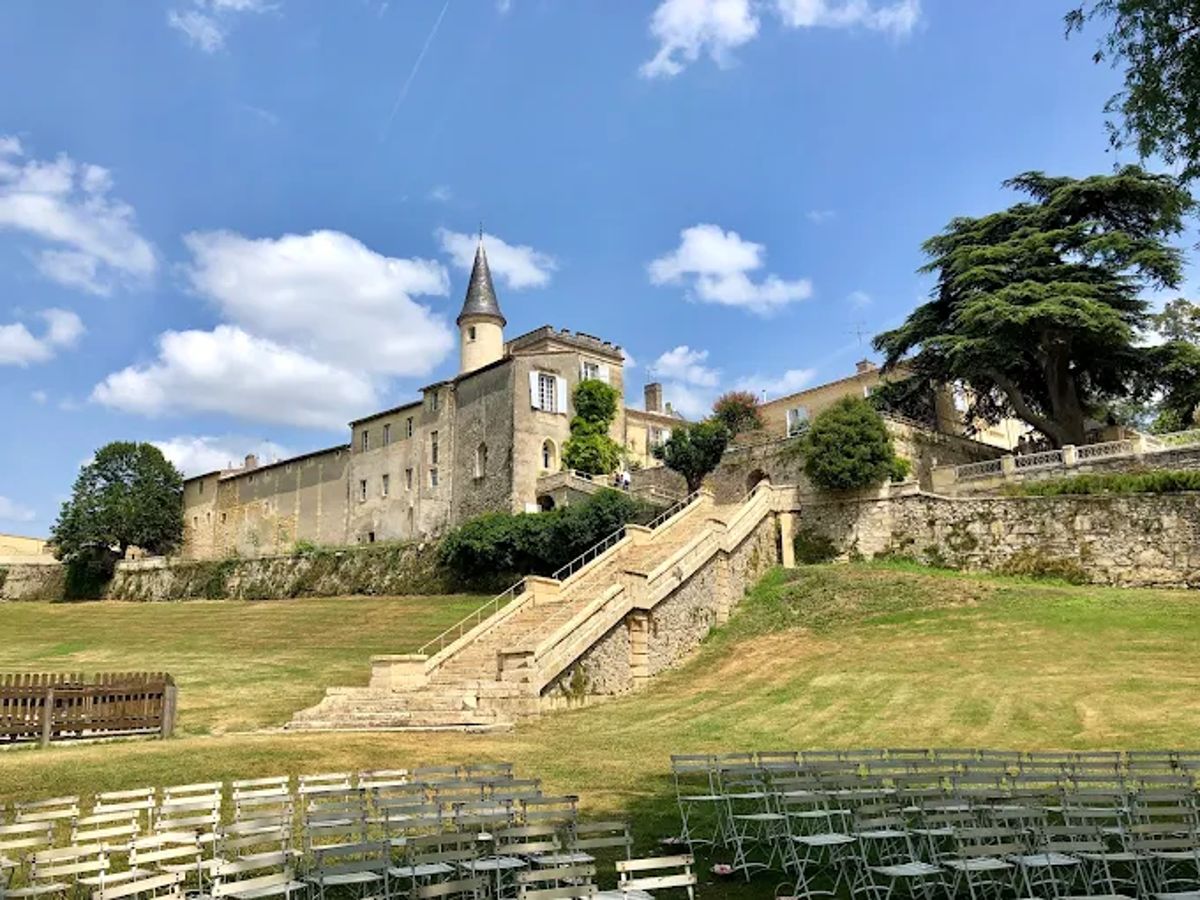
Many Bordeaux estates include a private or restored chapel within the grounds, which can host a religious blessing or a symbolic ceremony. Because French civil marriage must take place at a town hall, the chapel is used for a blessing rather than the legal ceremony itself. Where there is no chapel, couples usually hold an outdoor symbolic ceremony in the gardens, the courtyard, or among the vines. Confirm at enquiry whether a chapel is available and whether an officiant of your own may lead the service.
What drives the cost of a Bordeaux château wedding? +
After the venue hire itself, the two biggest levers are whether you take the estate dry (venue only) or all-inclusive, and the wine and catering model: estate-bottled pours, a curated appellation cellar, or open caterer-supplied wine each sit at a different price band. Season and weekday-versus-weekend dates also move the figure, with late spring to early autumn carrying the peak. Settle the wine model early, because it swings the per-head cost more than almost any other single choice.