Skip to content
Domaine de Lamanon | Countryside Wedding Venues in France
Curated Guide · 10 Venues

Countryside Wedding Venues in France

A curated shortlist of countryside wedding venues in france, each reviewed by our team. Updated for 2026.

Discover Domaine de Lamanon
French Wedding Style
French Wedding Style Editorial
Updated April 2026 10 venues

All venues on this page are editorially reviewed.

Key facts
  • The inclusion gate is rural-regional context, not a rural look or a lawn next to a country road: every property sits inside a working rural region (wine country, agricultural country, or river-valley farming country), not on the urban edge with a countryside view.
  • Ten venues across four French regions: <span translate="no">Nouvelle-Aquitaine</span> (the <span translate="no">Bordeaux</span> wine country and the <span translate="no">Dordogne</span>), <span translate="no">Provence-Alpes-Côte d'Azur</span>, <span translate="no">Occitanie</span> (the <span translate="no">Tarn</span>), and <span translate="no">Pays de la Loire</span>.
  • Starting prices €5,450 to €55,000 for weekend hire; ceremony capacity 100 to 300; on-site sleeping 15 to 50 across the cohort.
  • The page filters on the regional landscape doing the work, where adjacent garden-venue rendering filters on the lawn doing the work.

The first dominance dimension is the rural-regional-context gate. Aggregator directories that index countryside wedding venues in France apply the term loosely: a manor on the outskirts of <span translate="no">Lyon</span> with a wide lawn qualifies, as does a converted farmhouse on a suburban ring road. This page rejects both. Inclusion requires that the venue sits inside a working rural region: the <span translate="no">Bordeaux</span> wine country in <span translate="no">Gironde</span>, the river-valley farming country of the <span translate="no">Dordogne</span>, the agricultural plain of the <span translate="no">Tarn</span>, the vineyard and olive country of <span translate="no">Provence</span>, or the <span translate="no">Loire</span> agricultural belt. Four of the ten venues anchor in <span translate="no">Nouvelle-Aquitaine</span>, four in <span translate="no">Provence-Alpes-Côte d'Azur</span>, one in <span translate="no">Occitanie</span>, and one in <span translate="no">Pays de la Loire</span>. The cohort is not regionally balanced by design; it tracks where the rural-regional gate produced qualifying properties.

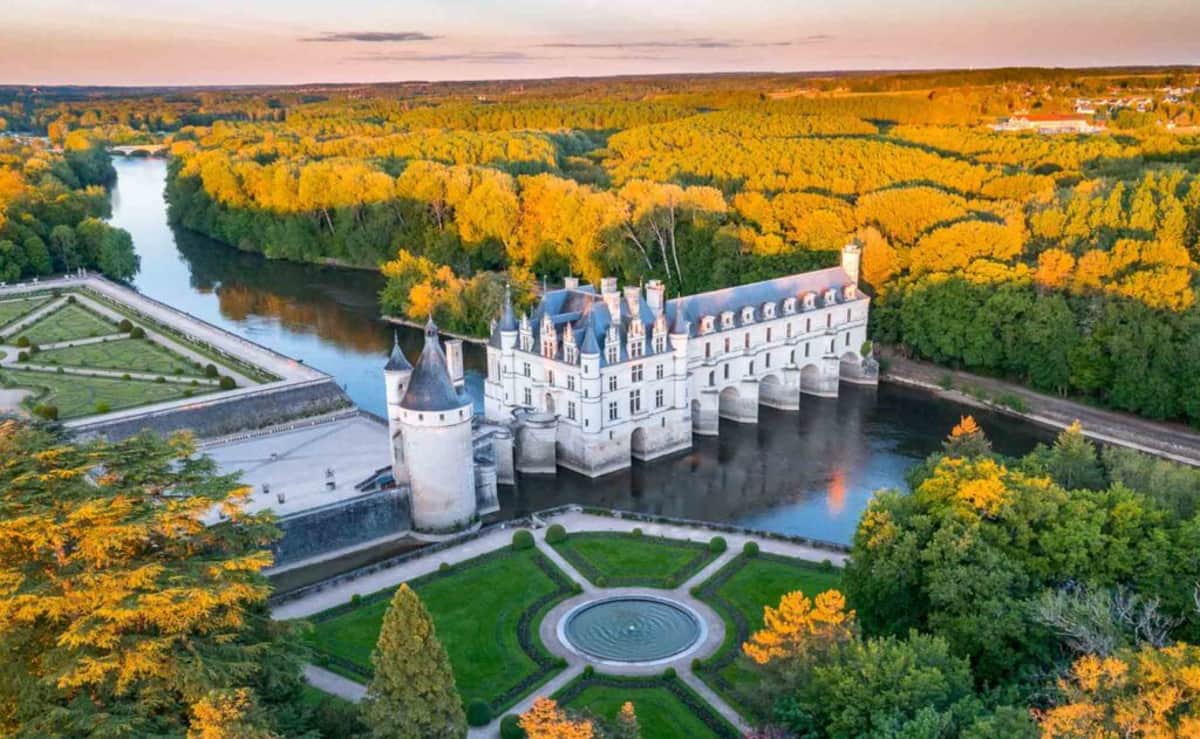
The second dimension is on-site land-use character. Each property's surrounding land does editorial work that the venue building alone cannot. <a href="/wedding-venues/chateau-gassies/"><span translate="no">Château Gassies</span></a> stands inside a working <span translate="no">Bordeaux</span> wine estate, with the vineyard as ceremony backdrop rather than ornament. <a href="/wedding-venues/chateau-lacanaud/"><span translate="no">Château Lacanaud</span></a> in the <span translate="no">Dordogne</span> sits inside the river-valley farming country near <span translate="no">Eymet</span>. <a href="/wedding-venues/chateau-challain/"><span translate="no">Château Challain</span></a> anchors the <span translate="no">Loire</span> agricultural belt at the price ceiling of the cohort at €55,000. The land context is the editorial pivot away from adjacent garden-venue rendering, where the curated lawn is the ceremony surface; here, the surrounding region is.

The third dimension is the operational spread across price and season. Starting prices run from €5,450 at <span translate="no">Château de Paon</span> near <span translate="no">Arles</span> to €55,000 at <span translate="no">Château Challain</span>, a tenfold range that maps onto rural seasonality: <span translate="no">Provence</span> and <span translate="no">Bordeaux</span> country properties carry a wide shoulder-season band (April, May, June, and September, October) at materially lower starting prices than the July-August peak, and the cohort's price floor sits inside that shoulder band. Ceremony capacity runs 100 to 300 with on-site sleeping 15 to 50, giving the cohort range across intimate gatherings of fifteen close family and multi-night weddings of a hundred and fifty.

The fourth dimension is seasonal-usability, which separates a rural-regional venue from a garden-as-ceremony-surface venue more sharply than price does. Working country settings retain editorial weight in the shoulder months that a curated lawn loses: the <span translate="no">Bordeaux</span> harvest in September, the <span translate="no">Dordogne</span> river valleys in October, the <span translate="no">Provence</span> olive country in late October all photograph as themselves rather than as off-peak versions of themselves. The cohort therefore reads as a guide to where the regional landscape is structurally part of the wedding rather than a backdrop that needs peak-summer conditions to hold.

When international couples scope a French countryside wedding, the editorial style that matters is the landscape, not the architecture. Chateau wedding venues emphasise formal turreted estates and architectural-lineage; countryside wedding venues open the brief to châteaux alongside domaines, vineyard estates, and rural privately owned properties whose character is defined by gardens, terroir, and rural-context. The ten estates have been chosen for that broader style; every property is a private rural estate suited to the destination-wedding experience an international couple recognises as French countryside.

Editor's Tip

Ask each estate whether the Plan B space accommodates your full guest list seated, and whether the marquee or covered orangery is included in standard weekend hire or quoted as an add-on. The second question can shift weekend cost by €3,000 to €8,000 depending on tenting size and decoration brief.

The ten estates span four French regions. Nouvelle-Aquitaine contributes four Bordeaux-region properties (Château Camiac, Château Gassies, Domaine Perrotin, Château Lacanaud) anchored on wine-country terroir. Provence-Alpes-Côte d'Azur contributes four properties (Domaine de Lamanon, Château la Tour Vaucros, Château les Crostes, Château de Paon) covering the warm-weather garden-wedding character. Occitanie contributes Château de Garrevaques for southwestern multi-day formats; and Pays de la Loire contributes Château Challain for turreted-formality at the upper architectural style.

All ten estates publish operational data directly with FWS, including pricing, capacity, sleeping, and current date availability. Each property has been visited or vetted by our editorial team and operates with an English-speaking planning contact who works with couples arriving from the UK, US, Australia, Canada, and Ireland. France is one of the European destinations where we curate wedding venues; for broader context see our flagship France chateau guide and the regional pages including Provence, Bordeaux, Burgundy, and Europe. Other L1 hubs to compare include French Riviera, south of France, all-inclusive France, Burgundy, and destination Europe.

In brief

A French countryside wedding is a destination celebration at a privately owned rural estate, with full Friday-to-Sunday exclusive use, on-site sleeping for 15 to 50 guests, and English-speaking planning support. We list ten vetted estates spanning châteaux, domaines, and vineyard properties across four French regions.

Why this curation

  • Of 190+ estates we have curated across France, ten meet our criteria across four French regions for the countryside-wedding shortlist.
  • Exclusive weekend hire from €5,450 to €55,000; capacity 100 to 300 seated guests; on-site bedrooms 7 to 23; sleeping capacity 15 to 50.
  • All ten estates have verified date availability.

What distinguishes a French countryside wedding from a French château-only wedding is the breadth of editorial style the landscape opens up. The château shortlist emphasises formal turreted estates with architectural-lineage as the primary differentiator; the countryside shortlist accepts that same architectural style alongside the rural-context style: domaines on working wine estates with cellars and vineyards visible from the reception terrace, vineyard properties whose grape-harvest cycle shapes the September wedding-season window, and rural privately owned estates whose gardens and terroir frame the celebration. Couples wedding for the rural-context style typically describe what they want in landscape terms (lavender fields, vineyards, plane-tree alleys, stone courtyards, rolling Tarn farmland, Dordogne river-valley pasture) before they describe architectural style; this page meets that brief by curating across all three categories with the rural-character common-thread.

The ten estates on this page span the architectural and regional range an international couple compares when narrowing a French countryside-wedding shortlist. Château Camiac in Nouvelle-Aquitaine for Bordeaux-region wine-country pairing; Château Gassies on the Bordeaux rive droite five minutes from the city centre; Domaine Perrotin in the Entre-Deux-Mers wine country between the Garonne and Dordogne rivers (working wine production on-site); Château Lacanaud in the Dordogne wine region (working wine production on-site); Domaine de Lamanon in Provence with intimate Provençal-garden character; Château la Tour Vaucros in the rural Vaucluse; Château les Crostes in the Var wine country near Lorgues (working wine production on-site); Château de Paon in Provence with Provençal Renaissance heritage near the Camargue; Château de Garrevaques in Occitanie for southwestern Tarn-country multi-day formats and Gascony cuisine; and Château Challain in Pays de la Loire for turreted-formality at the upper architectural style, the closest L1 estate to Charles de Gaulle on this shortlist. All ten estates publish operational data directly with FWS, including pricing, capacity, sleeping, and current date availability; the curation is intentionally narrow at ten of the 190+ venues we have curated across France, with all ten meeting the four inclusion criteria (rural privately owned + sole-use weekend or all-inclusive multi-day + on-site sleeping ≥15 + verified contact details and date availability published with FWS).

The countryside-wedding category is also where the editorial differentiation versus an at-home wedding lands hardest: the rural-context style that defines this page (vineyards, lavender, plane-tree alleys, formal gardens, working domaines) is impossible to replicate at scale outside France, which is the structural reason international couples pick the French countryside for their destination wedding rather than equivalent rural style in Italy, Spain, or the UK.

Key facts at a glance

  1. 10 French countryside estates. Curated across four French regions: Nouvelle-Aquitaine, Provence-Alpes-Côte d'Azur, Occitanie, and Pays de la Loire. All ten are partners.
  2. Capacity range. From 100 seated guests at Château de Paon to 300 seated guests at Château la Tour Vaucros, with most estates comfortable in the 120 to 200 sweet spot.
  3. Typical weekend hire. Friday afternoon arrival to Sunday morning checkout with full property occupancy. Château de Garrevaques in Occitanie runs all-inclusive three-night formats.
  4. Accommodation on site. Estates sleep between 15 and 50 guests across 7 to 23 restored period bedrooms, with Château Challain at 50 sleeping the largest sleeping footprint on the page.
  5. Travel access. Direct UK + Ireland flights into Bordeaux Mérignac, Marseille Provence, Nice Côte d'Azur, Toulouse-Blagnac. TGV from Paris reaches all four regions in 1h35-4h20.
  6. Best booking window. 12 to 18 months ahead for May, June, and September dates; 6 to 9 months for shoulder seasons. Starting prices range from €5,450 to €55,000 for venue hire.

Three things to know first

  1. Ten estates curated across four French regions (Provence-Alpes-Côte d'Azur, Nouvelle-Aquitaine, Occitanie, Pays de la Loire); countryside character spans château, domaine, and vineyard-estate architecture.
  2. All ten estates have verified date availability; capacity range 100 to 300 seated guests; venue hire €5,450 to €55,000 per weekend.
  3. Civil marriage in France must take place at a town hall (mairie); the estate hosts the symbolic, blessing, or religious ceremony only. TGV connections from Paris reach all four regions in 1h25 to 3h00.

Archetype guide

Compare countryside-wedding archetypes by region

Region archetypeCapacityBedroomsBest forDistinctive feature
Nouvelle-Aquitaine (Bordeaux wine country)
Camiac, Gassies, Perrotin, Lacanaud
120-20020-43 sleepingWine-country weddings, terroir-led cateringBordeaux + Bergerac + Saint-Émilion AOC reach; on-site wine production at Perrotin + Lacanaud
Provence-Alpes-Côte d'Azur
Lamanon, Tour Vaucros, les Crostes, Paon
100-30013-49 sleepingWarm-weather garden weddings, lavender seasonProvençal Renaissance heritage at Paon; on-site Provence-AOC wine production at Les Crostes (Var)
Occitanie (southwestern)
Garrevaques
12015-20 sleepingAll-inclusive multi-day formats, southwestern terroirMulti-generational ownership (15 generations); three-night packages
Pays de la Loire
Challain
15021-50 sleepingTurreted-formality, Charles de Gaulle reachableNeo-Gothic-Renaissance silhouette; private chapel; under 2h drive from Paris

Archetype bands are editorial; individual venues may exceed or fall below the ranges shown. Confirm specifics in each listing.

Compare all 10 Venues

Venue Side-by-Side Comparison

Pricing is indicative and may vary by season, guest count, and package. Please confirm directly with the venue.

Scroll →

VenuePrice FromRatingMax GuestsSleeps up to
Château de Garrevaques €8,000 4.7 (151) 120 15
Domaine de Lamanon €12,500 5.0 (32) 120 15
Château La Tour Vaucros €18,000 4.7 (158) 250 49
Château les Crostes €12,000 4.7 (176) 150 28
Chateau Challain €55,000 4.6 (414) 120 50
Chateau de Paon €5,450 4.9 (47) 120 26
Chateau Gassies €23,000 4.8 (338) 150 43
Chateau Camiac €10,800 4.9 (122) 200 49
Domaine de Perrotin €14,900 4.8 (27) 300 33
Chateau Lacanaud €12,000 5.0 (31) 100 23
01
CHATEAU · TARN · OCCITANIE
4.7 (151 reviews)
Toulouse (45-50 minutes by car), Tarn

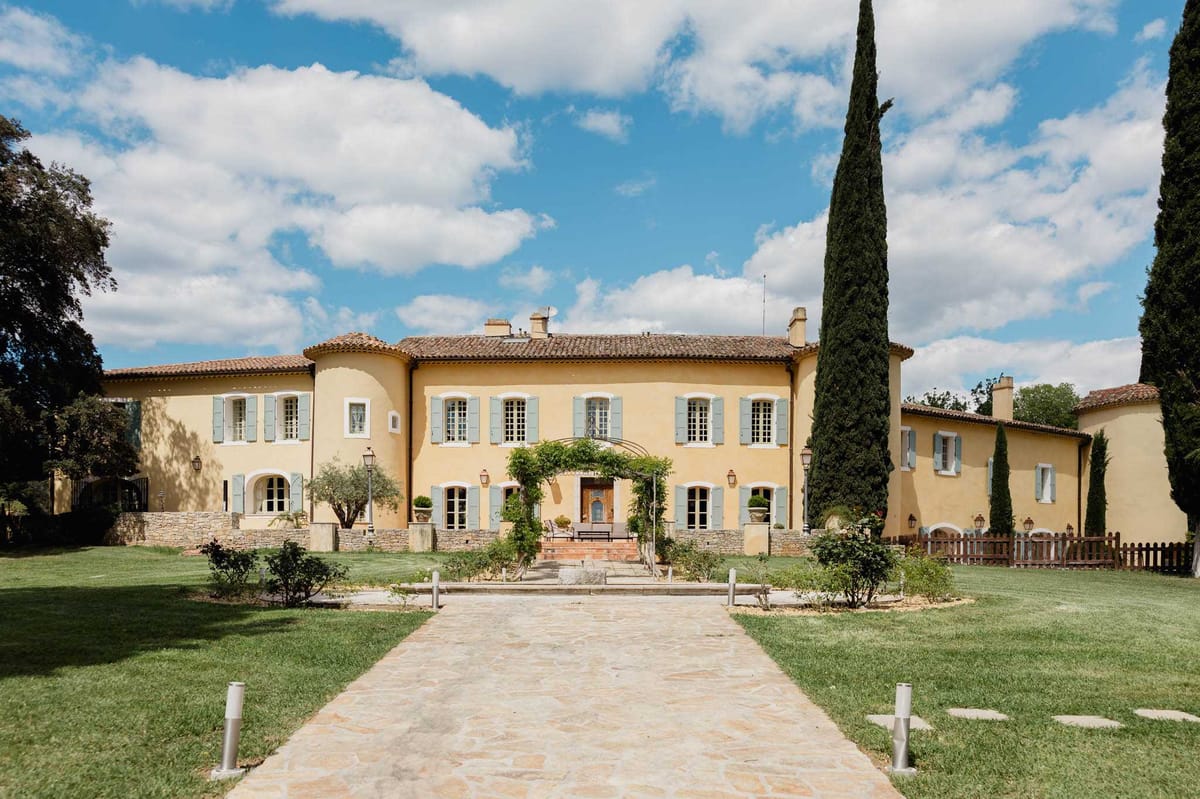
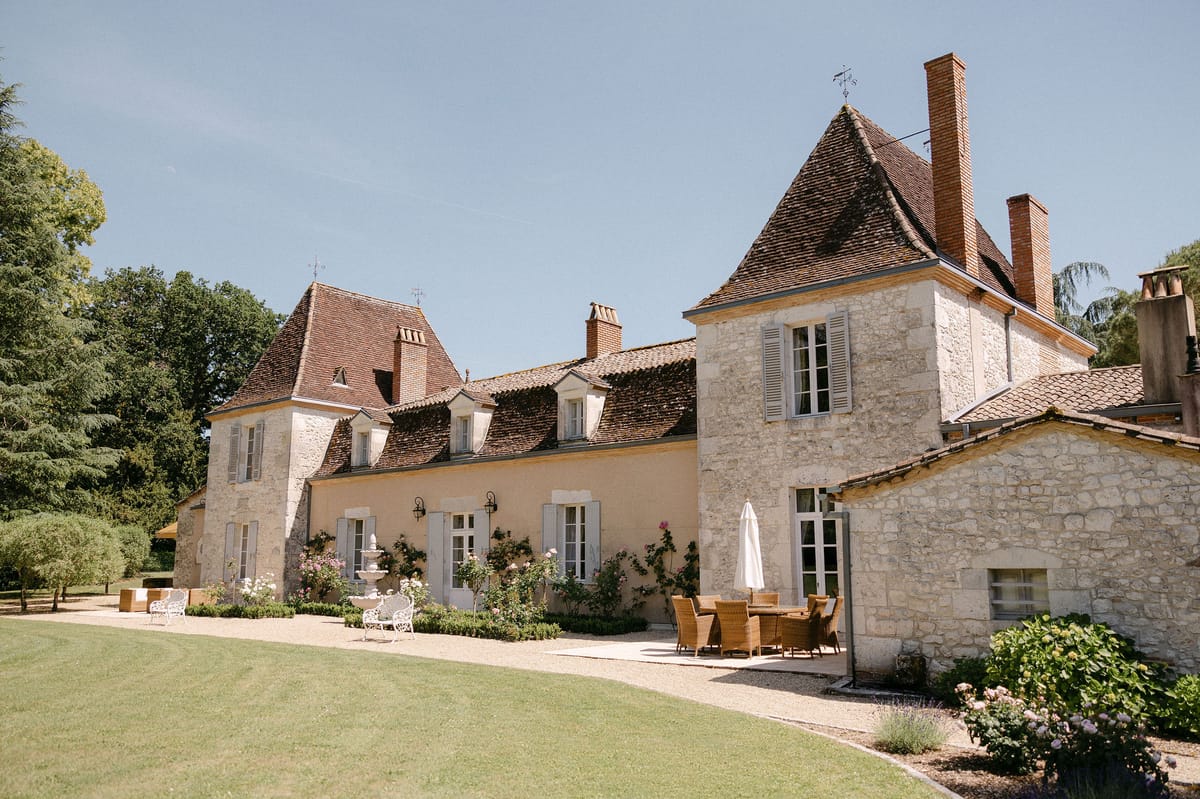
Château de Garrevaques in Occitanie near Toulouse has been in the same family for fifteen unbroken generations, with the estate's gardens and outbuildings reflecting that long ownership in their period detail. The grounds open onto the rolling Tarn countryside; the rural-context style is southwestern French agricultural rather than wine-country. Twenty restored bedrooms host up to fifteen sleeping on-site, with seated capacity to 120 across formal reception spaces. The estate runs all-inclusive three-night formats with in-house catering bundled into the weekend price. Toulouse-Blagnac Airport is forty-five minutes drive; the estate suits 100-150-guest weddings prioritising operational simplicity and Gascony cuisine style.

Why We Love It

Multi-generational family ownership with all-inclusive three-night operational simplicity in southwestern France.

Max Guests
120
Sleeps
15
Chapel
No
From €8,000 / venue hire

02
DOMAINE · BOUCHES-DU-RHONE · PROVENCE-ALPES-CÔTE D'AZUR
5.0 (32 reviews)
Aix-en-Provence (35 minutes by TGV station), Bouches-du-Rhone

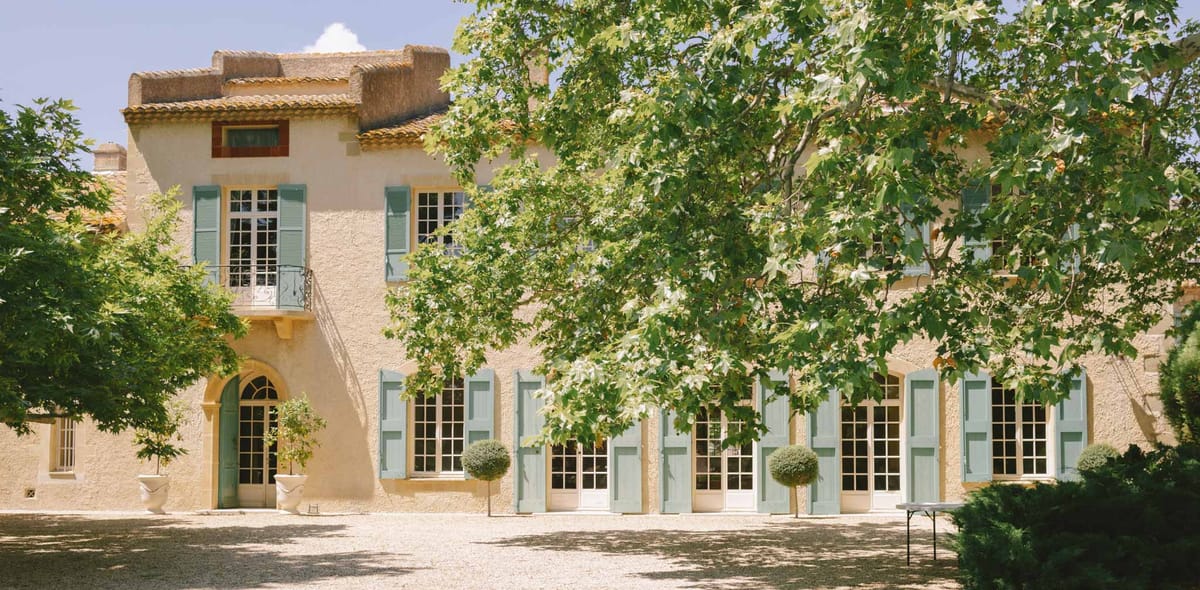
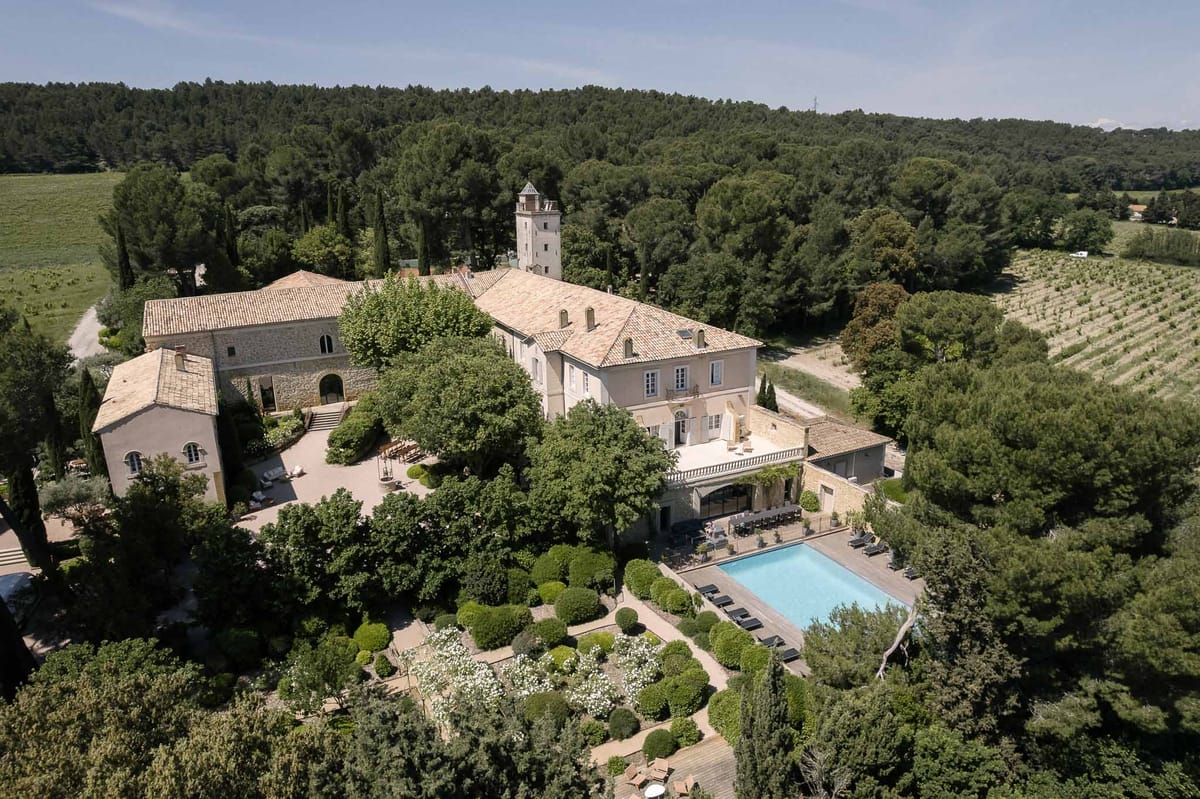
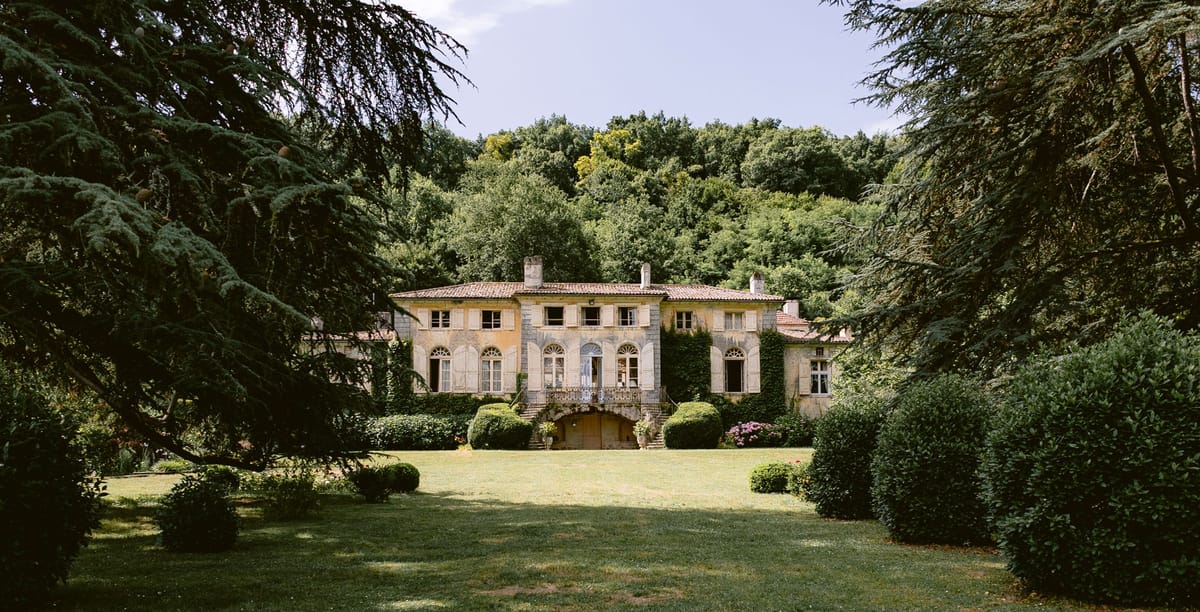
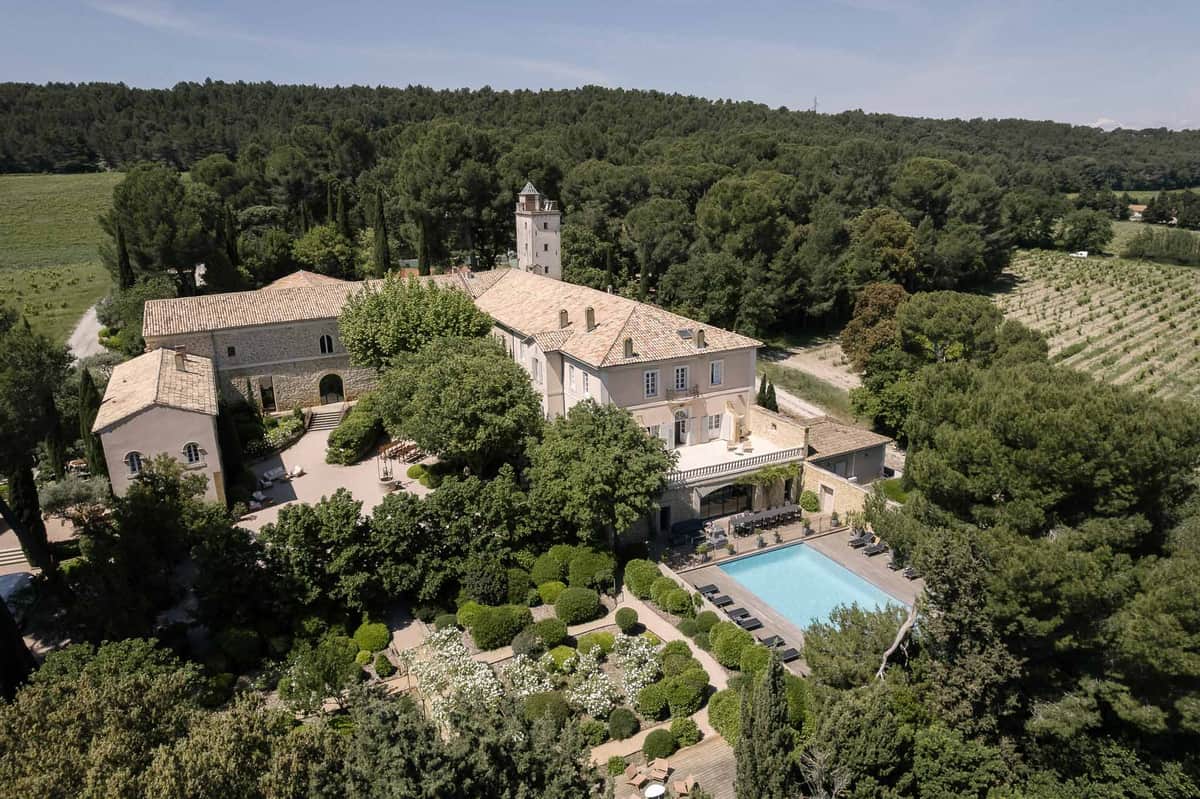
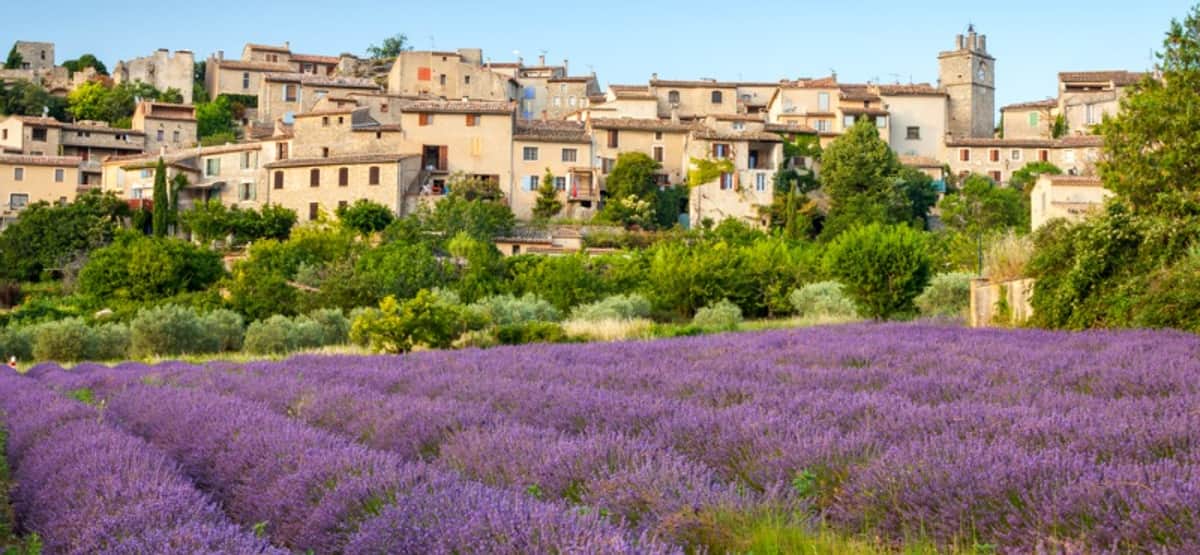
Domaine de Lamanon in Provence-Alpes-Côte d'Azur near Aix-en-Provence opens onto Provençal garden landscape with cypresses, olive trees, and lavender bordering the formal grounds. Seven restored bedrooms sleep up to fifteen guests on-site; the compact accommodation footprint defines the estate's editorial style as intimate-garden rather than grand-estate. The wedding party stays on-site; broader guest list (40-80 additional guests) routes to Aix-region partner accommodation with shuttle service. Marseille Provence Airport is the regional gateway with direct UK flights; Aix-en-Provence TGV reaches Paris in three hours. Suited to 60-100-guest celebrations prioritising Provençal landscape over architectural-formality.

Why We Love It

Intimate Provençal garden character close to Aix-en-Provence; suited to compact wedding parties with on-site sleeping.

Max Guests
120
Sleeps
15
Chapel
No
From €12,500 / venue hire

03
CHATEAU · VAUCLUSE · PROVENCE-ALPES-CÔTE D'AZUR
4.7 (158 reviews)
Avignon (a few minutes by car), Vaucluse

Château la Tour Vaucros in Provence-Alpes-Côte d'Azur sits twenty-five minutes from Avignon TGV in the rural Vaucluse wine country. The largest seated capacity on the page (300) is held in formal salons and the plane-tree-lined outdoor courtyard. Twenty-three restored bedrooms sleep up to forty-nine guests on-site, suited to multi-generational guest lists or extended-family weddings staying together for the full weekend. Avignon TGV reaches Paris in 2h40; Marseille Provence Airport serves direct UK and continental European flights. The estate's wider Vaucluse setting puts couples within drive of the Rhône Valley wine region for guest-activity itineraries.

Why We Love It

Largest seated capacity on the page (300); Vaucluse rural setting with Avignon TGV proximity.

Max Guests
250
Sleeps
49
Chapel
No
From €18,000 / venue hire

04
DOMAINE · VAR · PROVENCE-ALPES-CÔTE D'AZUR
4.7 (176 reviews)
Lorgues (village setting), Var

Château les Crostes in Provence-Alpes-Côte d'Azur near Lorgues sits in the Var wine country with vineyards extending across the surrounding landscape. Twelve restored bedrooms sleep up to twenty-eight guests on-site, with the wedding-party-plus-immediate-family staying together and broader guest list routing to nearby Var village accommodation. Côtes de Provence rosé pairing access is direct via neighbouring producer relationships; the estate's catering ecosystem builds dinner-service menus around regional rosé and Provençal cuisine. Nice Côte d'Azur Airport is ninety minutes drive; suits 80-130-guest weddings prioritising Var rural-vineyard character and rosé wine pairings.

Why We Love It

Var wine-country position with strong Côtes de Provence rosé pairing access; mid-size sleeping footprint.

Max Guests
150
Sleeps
28
Chapel
No
From €12,000 / venue hire

05
CHATEAU · MAINE-ET-LOIRE · PAYS DE LA LOIRE
4.6 (414 reviews)
Nantes (50 minutes by car), Maine-et-Loire

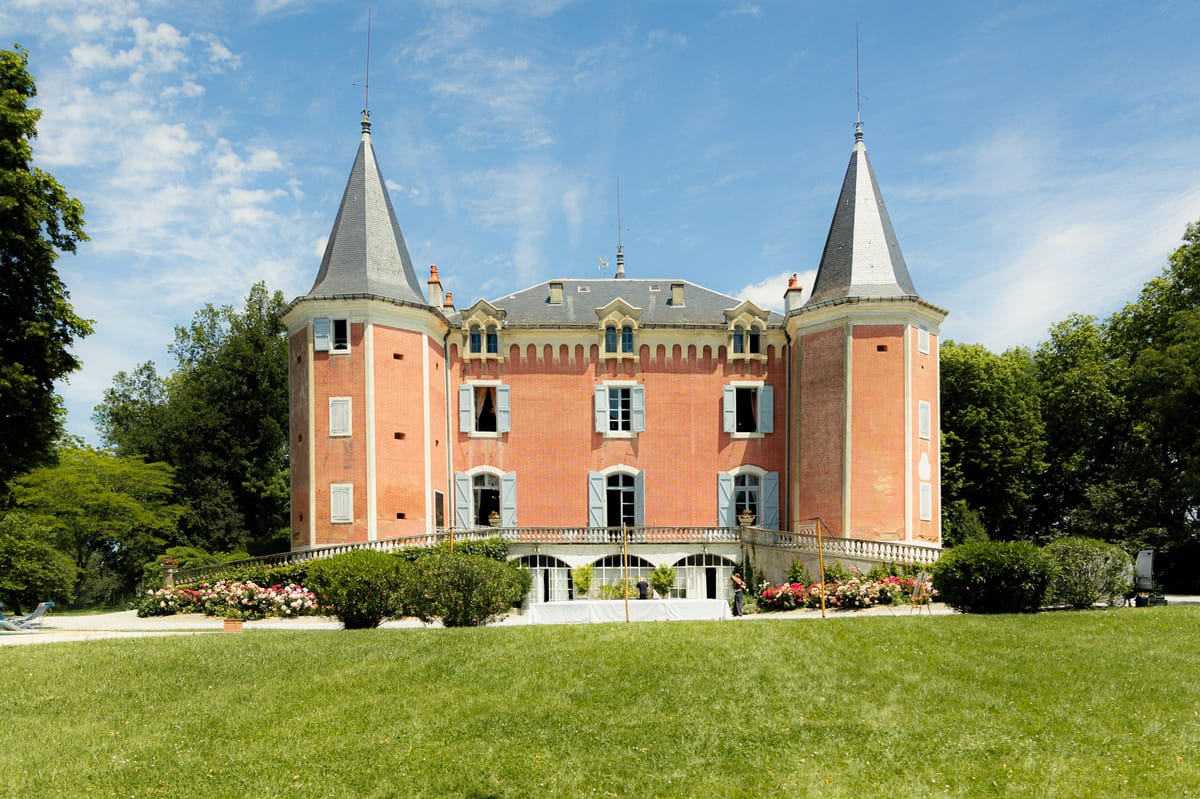
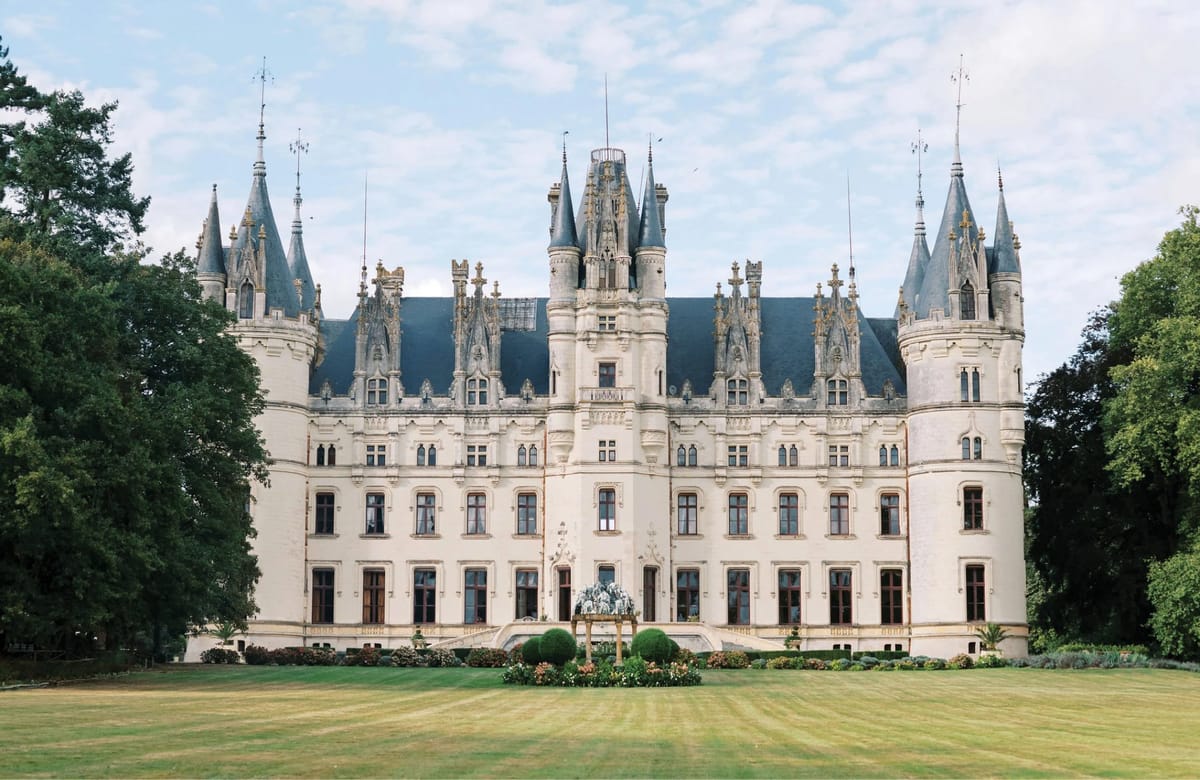
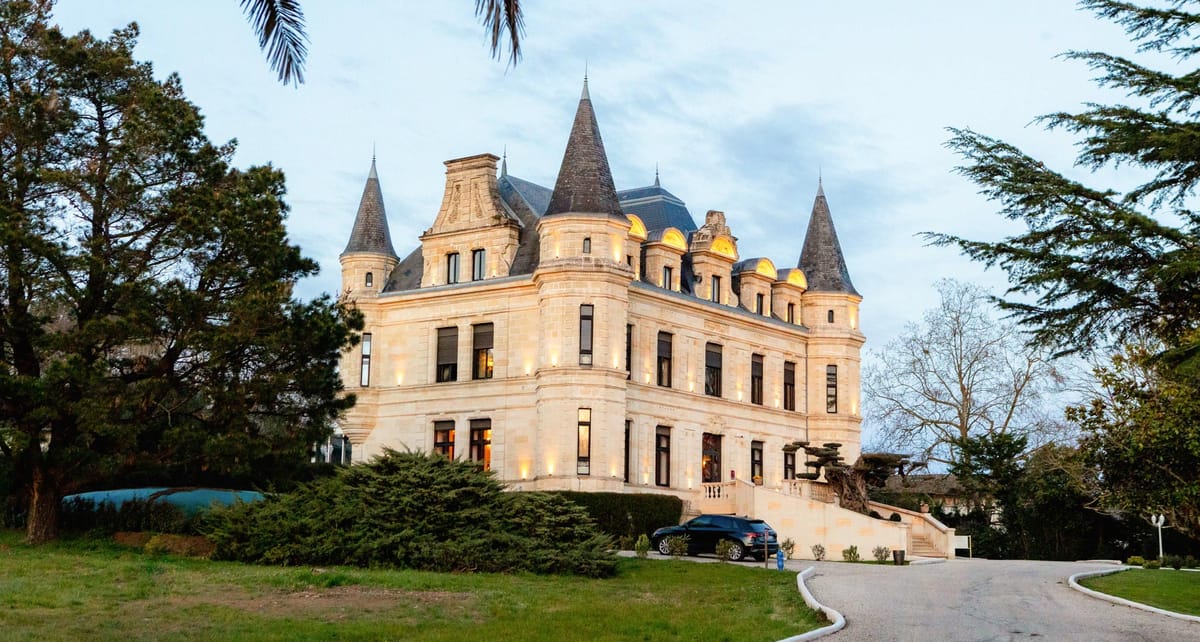
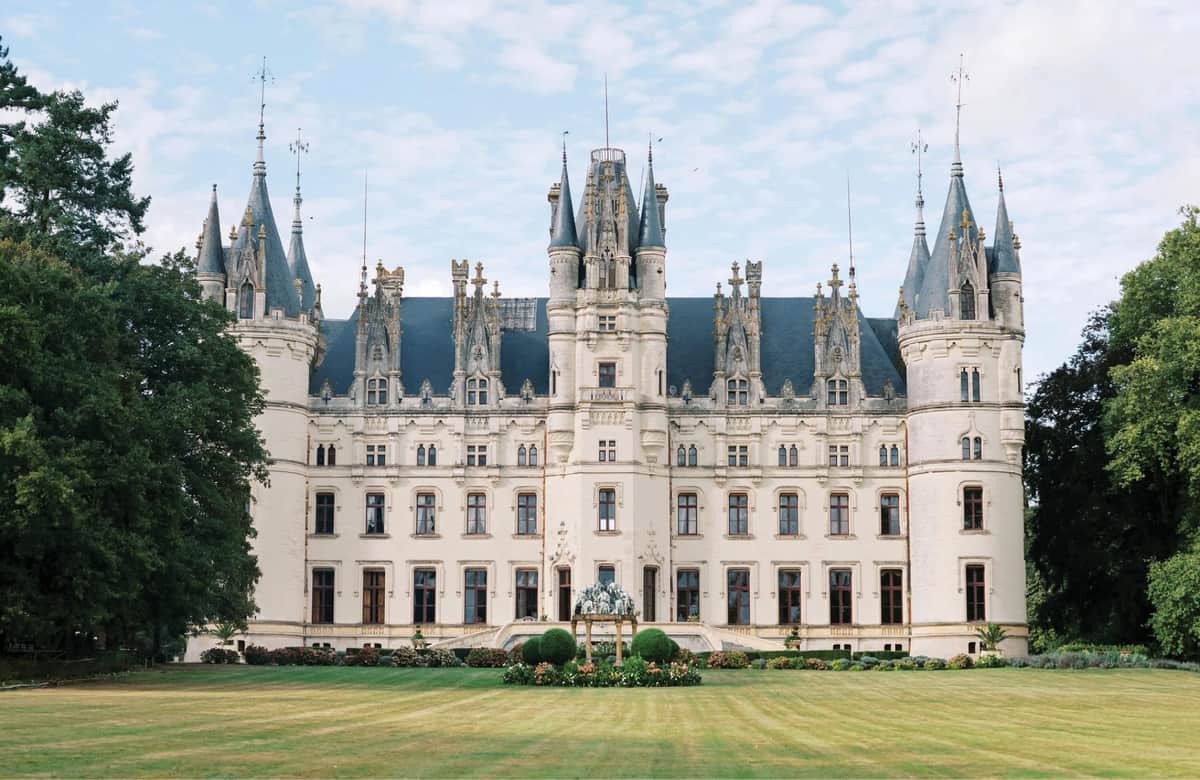
Château Challain in Pays de la Loire is the highest-architecture style on the page, with neo-Gothic-Renaissance silhouette and a private chapel for blessings or interfaith ceremonies. Twenty-one restored period bedrooms sleep up to fifty guests on-site (the largest sleeping footprint), with seated capacity to 150 across formal reception rooms. The grounds open onto open Loire-country landscape with mature trees and formal French gardens. Angers TGV reaches Paris in 1h35; from Charles de Gaulle the total transfer is under two hours, the closest L1 estate to Paris on this shortlist. Suits 100-150-guest weddings with extended family on-site.

Why We Love It

Highest-architecture turreted-formality on the page with the largest sleeping footprint (50) and a private chapel.

Max Guests
120
Sleeps
50
Chapel
Yes
From €55,000 / venue hire

06
CHATEAU · BOUCHES-DU-RHÔNE · PROVENCE-ALPES-CÔTE D'AZUR
4.9 (47 reviews)
Arles (10 minutes by car), Bouches-du-Rhône

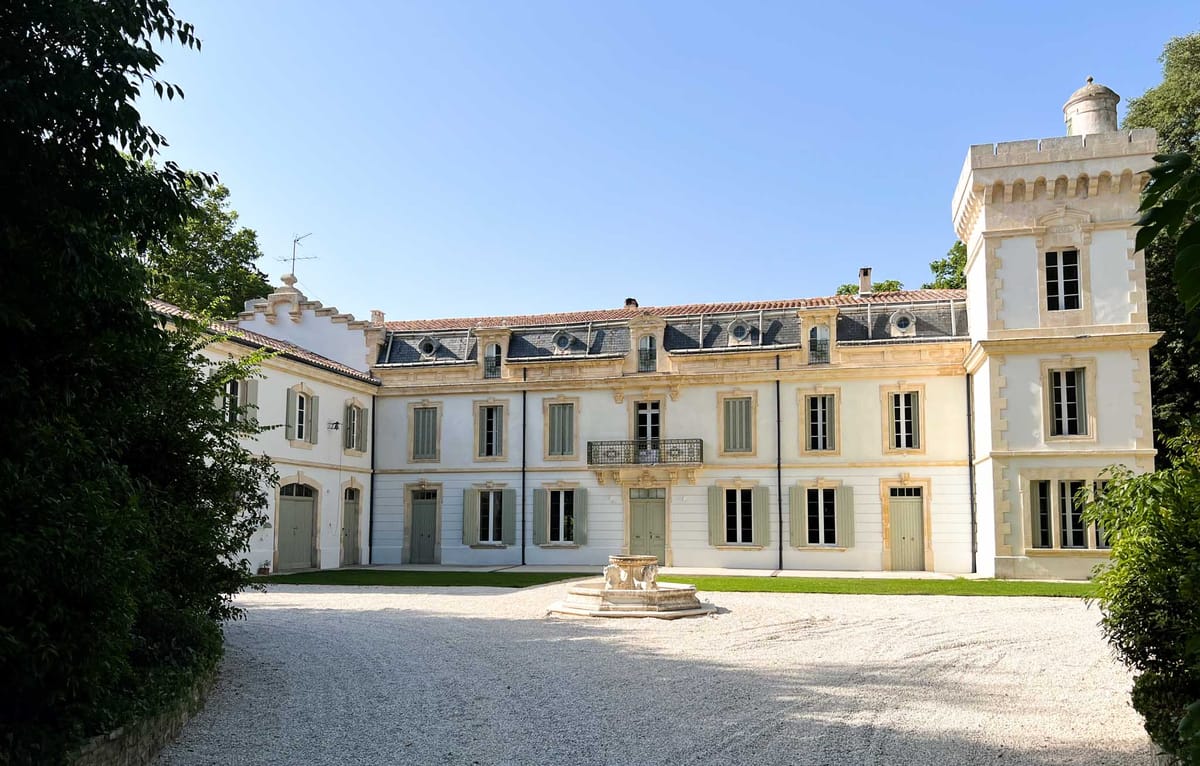
Château de Paon in Provence-Alpes-Côte d'Azur near Arles is a Provençal Renaissance estate with thirteen restored bedrooms sleeping up to twenty-six guests on-site. The architectural style sits in the period when Provençal stone-built estates carried the formal-court-and-walled-garden pattern; vaulted reception rooms hold up to 100 seated guests. The estate suits intimate guest lists prioritising Provençal Renaissance heritage over raw headcount. Avignon TGV is thirty minutes drive; Marseille Provence Airport forty-five minutes. The smaller-scale architectural footprint pairs with the rural Camargue-edge landscape the estate sits within, making it suited to ceremonies seeking both heritage style and Provençal rural-context.

Why We Love It

Provençal Renaissance heritage with intimate sleeping footprint; suited to closer wedding parties prioritising architectural style.

Max Guests
120
Sleeps
26
Chapel
No
From €5,450 / venue hire

07
CHATEAU · GIRONDE · NOUVELLE-AQUITAINE
4.8 (338 reviews)
Bordeaux (5 minutes by car), Gironde

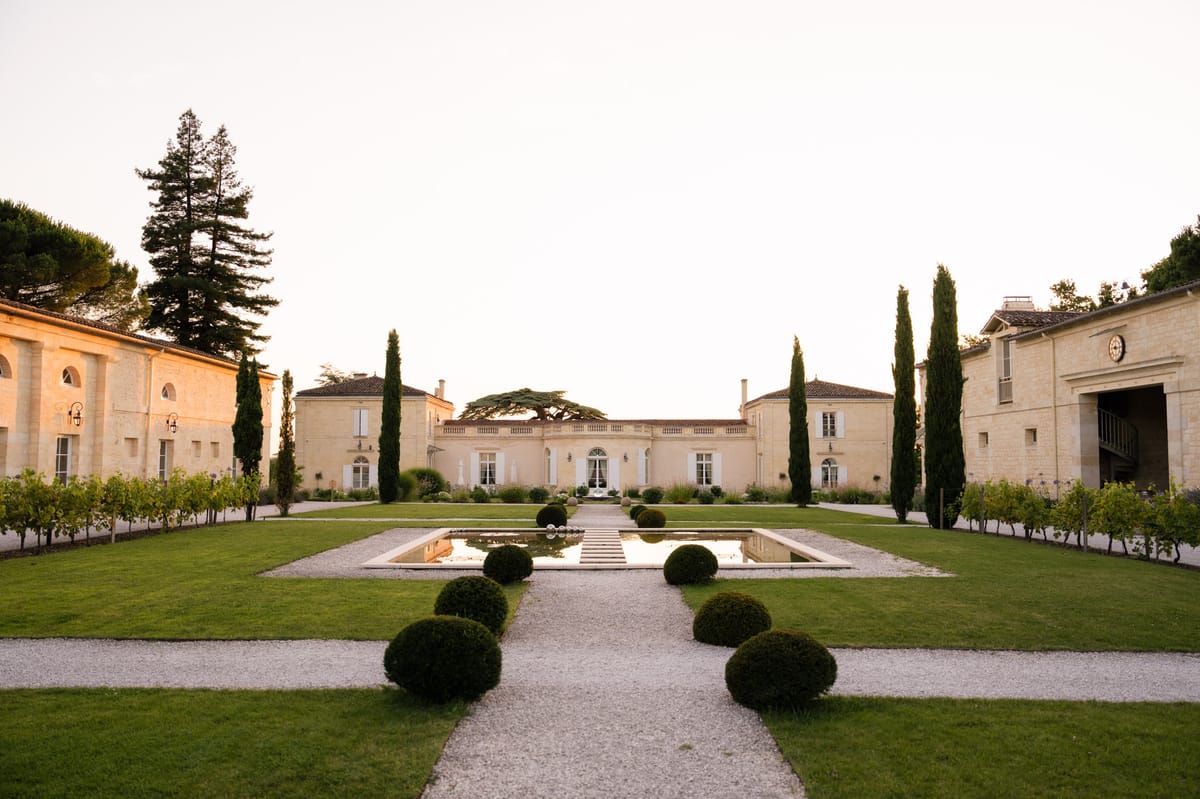
Château Gassies on the Bordeaux rive droite is an 18th-century estate just five minutes from Bordeaux centre, overlooking the Garonne from the heights of Latresne. Six suites and three independent guesthouses accommodate up to 43 guests on-site across the 14-hectare estate, with seated capacity to 150 across formal reception spaces. The Bordelais architectural style carries the measured 18th-century proportions; the rural-vineyard landscape extending into surrounding Bordeaux-region terroir is the distinctive feature. Bordeaux Saint-Jean TGV is thirty to forty-five minutes drive; Bordeaux Mérignac Airport handles direct UK and Ireland flights. Suits 80-150-guest weddings with a strong cultural programme of nearby Saint-Émilion + Bordeaux wine-region tasting tours through the wedding weekend.

Why We Love It

Bordeaux-rive-droite estate five minutes from the city centre with high accommodation capacity and a strong cultural programme.

Max Guests
150
Sleeps
43
Chapel
No
From €23,000 / venue hire

08
CHATEAU · GIRONDE · NOUVELLE-AQUITAINE
4.9 (122 reviews)
Bordeaux (30 km), Gironde

Château Camiac in Nouvelle-Aquitaine sits thirty to forty-five minutes from Bordeaux Mérignac Airport and within easy reach of Saint-Émilion wine country. Twenty restored period bedrooms sleep up to forty-nine guests on-site, with seated capacity to 200 across formal reception spaces. The estate's rural-vineyard landscape extends into surrounding Bordeaux-region terroir; couples typically build a Saturday-morning Saint-Émilion tasting tour into the weekend itinerary as a guest activity. Verified operational data publication including date availability. The combination of airport-proximity, mid-tier sleeping footprint, and Bordeaux-wine-country pairing makes this one of the most operationally simple L1 estates on the page.

Why We Love It

Bordeaux-region wine-country pairing with high accommodation capacity for multi-generational guest lists.

Max Guests
200
Sleeps
49
Chapel
No
From €10,800 / venue hire

09
DOMAINE · GIRONDE · NOUVELLE-AQUITAINE
4.8 (27 reviews)
Bordeaux (50km / approximately 1 hour by car), Gironde

Domaine Perrotin in Nouvelle-Aquitaine sits within the Entre-deux-Mers wine country between the Garonne and Dordogne rivers. The estate's rural-context style is purely vineyard: rolling vine-covered hillsides on all sides, with the property itself a working domaine rather than a chateau. Sleeps up to thirty-three guests on-site, with seated capacity to 120 across reception spaces. Entre-deux-Mers AOC wine pairing access is direct via the on-site cellar; the editorial style sits squarely in working-wine-estate. Bordeaux Saint-Jean TGV is forty-five minutes drive. Suits 80-120-guest weddings prioritising vineyard immersion and appellation-tier wine pairings.

Why We Love It

Entre-deux-Mers wine-country position between two rivers; strong appellation-tier wine pairing access.

Max Guests
300
Sleeps
33
Chapel
No
From €14,900 / venue hire

10
CHATEAU · DORDOGNE · NOUVELLE-AQUITAINE
5.0 (31 reviews)
Eymet (5 minutes), Dordogne

Château Lacanaud in Nouvelle-Aquitaine near Eymet sits in the Bergerac wine country with strong access to the regional Bordeaux + Bergerac kitchen networks. The rural-context style is Dordogne-river-valley landscape with quieter market-town character; the surrounding villages (Eymet, Bergerac) carry their own weekly markets, truffle culture, and regional cuisine ecosystem. Sleeps up to twenty-three on-site across restored bedrooms suited to wedding-party-only occupancy; broader guest list routes to nearby Dordogne village partner accommodation. Verified operational data publication including date availability, with open-vendor catering flexibility for couples bringing their own caterer brief.

Why We Love It

Bergerac AOC wine country with verified operational data and open-vendor catering flexibility.

Max Guests
100
Sleeps
23
Chapel
No
From €12,000 / venue hire

Why French countryside for an international destination wedding

International couples scoping a French destination wedding consistently land in the countryside style for three structural reasons: density of privately owned rural estates open for weddings, maturity of the English-speaking planning ecosystem, and ease of multi-source guest arrival via Paris rail and motorway connections. The first is the editorial differentiator. France's rural-estate inventory carries unmatched density in Europe: privately owned châteaux and domaines alongside vineyard estates and rural manor houses operate as wedding venues at a density no other Western European country matches. Italy carries its villa tradition (Tuscan farmhouse plus chapel pattern); Spain's finca tradition runs more agricultural; the UK's stately-home tradition runs more institutional. France's combination of architectural variety (chateau alongside domaine alongside vineyard estate) within a coherent rural-landscape style is the structural moat.

The English-speaking planning ecosystem matters as much as the architecture. The ten estates each operate with an English-speaking planning contact who works with couples arriving from the UK, US, Australia, Canada, and Ireland. Operational data publication means verified date availability + verified responsiveness + richer media (full image galleries, virtual tours, sample weekend menus). Catering, florals, music, photography, and transport vendor networks are similarly internationalised. By contrast, Italy, Spain, and Portugal still rely on home-country bilingual planners for most international weddings. For deeper context on planning a destination wedding in France, see our destination wedding pillar.

The third structural advantage is travel. Paris Charles de Gaulle carries direct daily flights from every major UK city, every major US east-coast hub, every Australian capital, and Toronto. TGV connections from Paris reach Bordeaux in 2h05, Avignon in 2h40, Aix-en-Provence in 3h00, Angers (the Loire) in 1h35, and Toulouse in 4h20. Italy and Spain require longer rail-plus-drive transfers from Rome, Milan, Madrid, or Barcelona to reach equivalent estate destinations. For a multi-source guest list (UK couple plus US east-coast plus Australian family plus continental European friends), the routing simplification of France-via-Paris materially reduces travel friction.

Region archetypes; Bordeaux wine country, Provence, Occitanie, Loire

The ten estates span four French region archetypes, each with a distinct editorial style and operational pattern. Nouvelle-Aquitaine (Bordeaux wine country) is the densest cluster on the page: four estates spanning Château Camiac close to Bordeaux, Château Gassies on the rive droite with working wine production, Domaine Perrotin in the Entre-deux-Mers AOC, and Château Lacanaud in the Bergerac AOC. Bordeaux Mérignac airport handles direct UK and Ireland flights; Bordeaux Saint-Jean TGV reaches Paris in 2h05. Couples wedding here for the wine-country pairing typically build the dinner-service around regional appellation bottles.

Provence-Alpes-Côte d'Azur is the second-densest cluster: four estates spanning Domaine de Lamanon near Aix-en-Provence with intimate garden-wedding character, Château la Tour Vaucros in the rural Vaucluse wine country, Château les Crostes in the Var wine country near Lorgues, and Château de Paon with Provençal Renaissance heritage. Avignon TGV (2h40 from Paris) and Marseille Provence Airport handle the regional gateway. Couples wedding here prioritise warm-weather outdoor reliability and lavender-season timing.

Occitanie contributes Château de Garrevaques, the southwestern multi-day all-inclusive option on the page. The estate has been in the same family for 15 generations and runs three-night formats with in-house catering, simplifying the supplier-coordination layer for couples without a regional planner. Toulouse-Blagnac is the regional airport (45 min drive); the estate suits 100-150-guest weddings prioritising operational simplicity over peak-season pricing.

Pays de la Loire contributes Château Challain, the turreted-formality option on the page. Twenty-one restored bedrooms sleep up to 50 guests on-site, with a private chapel suited to Catholic, Anglican, or interfaith blessings. The neo-Gothic-Renaissance silhouette is the highest-architecture style on the page; reach via Angers TGV (1h35 from Paris) plus a 30-minute drive.

Choose the region by editorial style first, operational fit second. Bordeaux for wine-country immersion + serious food. Provence for warm-weather garden character + lavender season. Occitanie for all-inclusive multi-day operational simplicity. Pays de la Loire for highest-architecture formal-turret style + Charles de Gaulle proximity. Operational fit (capacity match, accommodation depth, catering model, transport logistics) follows from the region choice, not the other way round.

Capacity, bedrooms, and accommodation patterns

Across the ten properties, seated capacity spans 100 to 300 guests, with most estates comfortable in the 120 to 200 sweet spot. On-site bedroom count ranges from 7 (Domaine de Lamanon) to 23 (Château la Tour Vaucros), with sleeping capacity 15 to 50 across the page. The wedding party typically has full property occupancy across the weekend; broader guest lists work via partner accommodation in nearby villages, which the venue planning team coordinates.

Three accommodation patterns appear across the page. Largest sleeping footprints: Château Challain with 21 bedrooms sleeping 50 in Pays de la Loire; Château Camiac with 20 bedrooms sleeping 49 near Bordeaux; Château la Tour Vaucros with 23 bedrooms sleeping 49 in Provence. These suit 80-150-guest weddings with the wedding party plus extended family on-site and broader guests routing to partner accommodation.

Mid-tier sleeping (26-49) covers Château de Paon (13 bedrooms / 26 sleeping), Château les Crostes (12 bedrooms / 28 sleeping), Domaine Perrotin (33 sleeping; bedroom count not in source data), and Château Gassies (43 sleeping). These suit standard 80-150-guest weddings with broader guests at partner hotels.

Compact sleeping (15-23) covers Château de Garrevaques (20 bedrooms / 15 sleeping), Domaine de Lamanon (7 bedrooms / 15 sleeping), and Château Lacanaud (23 sleeping). These suit tighter guest lists or wedding-party-only on-site occupancy with broader guests routing to nearby villages.

Confirm two numbers in writing before deposit on any property: the maximum seated dinner capacity (with dancing space included) and the wet-weather seated capacity (the indoor backup with no outdoor floor). The wet-weather number is operationally binding; the outdoor maximum is marketing. Bedroom configuration matters as much as count; properties mix double-occupancy primary suites for couples with single rooms or twin rooms for parents and unmarried friends. Walk the bedroom inventory in person before committing; the marketing photo of one principal suite rarely tells the whole bedroom story across a 7-to-23-bedroom estate.

Catering models and the regional terroir question

French countryside châteaux and domaines structure catering in three patterns. Hotel-tier estates run in-house catering with their own kitchen brigades; couples cannot bring an outside chef. Mid-tier estates run preferred-vendor lists, where 3-6 caterers have worked the property repeatedly. Open-vendor estates allow any licensed caterer; couples engage their own from regional kitchens.

Regional terroir is the editorial differentiator that shapes catering more than at any other French wedding-region shortlist. Bordeaux-region estates work with Bordelais-style entrecôte + duck breast paired with appellation reds; Provence estates draw on Aix-en-Provence, Marseille, and Avignon kitchens for ratatouille, bouillabaisse-style starters, and Provençal rosé pairings; Occitanie properties work with Gascony cuisine style (foie gras, cassoulet, regional whites); Pays de la Loire estates draw on Loire Valley wines and Atlantic-coast seafood traditions.

Estate wine production matters at three of the ten properties; one further property sits within an active appellation. Château les Crostes in the Var wine country produces Provence-appellation wines on-site. Domaine Perrotin in the Entre-Deux-Mers AOC produces Bordeaux Supérieur + Entre-Deux-Mers bottlings on-site. Château Lacanaud in the Dordogne wine region produces wine on-site. Château Camiac sits within the Entre-Deux-Mers appellation with strong neighbouring-producer relationships, so estate-bottle pours feature on the wedding-table dinner-service via the regional cellar network rather than from on-site production.

Catering pricing across the page typically lands €130-€240 per head for the wedding meal. Hotel-tier in-house brigades push toward €280; preferred-list models with open-vendor catering compress toward €120. Wine is typically quoted separately at €25-€60 per head depending on appellation tier. Confirm catering model in writing before deposit; ask explicitly whether estate-bottle pours are included or quoted separately. Full guidance lives in our wedding catering and cuisine guide.

All-inclusive three-night formats simplify the supplier-coordination layer at higher per-head cost. Château de Garrevaques in Occitanie ships welcome dinner Friday, in-house chef catering Saturday, and a Sunday brunch service into a single weekend price. The trade-off is less freedom to bring an outside chef; the win is materially less planning bandwidth required from the couple. Open-vendor properties stay cheaper but require more planning bandwidth.

Travel logistics and guest arrival

Paris Charles de Gaulle is the international gateway for most international guest lists. Direct daily flights handle UK, US, Australian, Canadian, and Irish guest lists. From Paris, four TGV stations serve the regions: Bordeaux Saint-Jean TGV (2h05 from Paris) for the four Nouvelle-Aquitaine properties; Avignon TGV (2h40) and Aix-en-Provence TGV (3h00) for the four Provence properties; Toulouse-Matabiau TGV (4h20) for Occitanie; and Angers TGV (1h35) for Pays de la Loire.

Regional airports handle direct international flights at three of the four regions. Bordeaux Mérignac serves direct UK + Ireland; Marseille Provence Airport + Nice Côte d'Azur serve Provence with direct UK and continental European flights; Toulouse-Blagnac serves Occitanie with direct UK flights. Pays de la Loire properties typically route via Charles de Gaulle + TGV rather than direct regional flight.

The transport calculus shifts by guest-list shape. A primarily UK guest list often routes via direct UK budget-airline flights into the regional airport closest to the venue (Mérignac for Bordeaux properties, Marseille or Nice for Provence, Toulouse for Occitanie); door-to-door 4-5 hours from London. A multi-source international guest list (UK couple plus US east-coast plus Australian family plus continental European friends) routes most efficiently via Charles de Gaulle + a single TGV connection.

Practical guidance for the invitation card: name the closest airport (regional or Charles de Gaulle) and the closest TGV station; quote driving time in minutes, not kilometres. Most properties do not run their own shuttles; they coordinate with regional transport providers. Budget €600-€1,400 per coach for round-trip shuttle service from arrival hub to estate. For a 100-guest wedding requiring a 50-seat coach plus overflow private cars, expect a transport line of €1,500-€2,500 across the weekend.

The countryside-wedding logistics calculation also accounts for the property's distance from the closest market town, since the rural-context style that defines this page typically means the estate sits 5-15 km outside the nearest village and 30-60 minutes from the regional airport. Château Camiac + Château Gassies are the most operationally simple (under 45 min from Mérignac), while Château de Garrevaques and Château Lacanaud sit further afield and benefit from couples building a Friday-arrival pre-wedding dinner into the weekend itinerary so guests acclimatise to the rural pace before the wedding day.

Seasonal cadence and harvest timing

Peak French countryside wedding dates run May through early October, with strongest outdoor reliability in late May, June, and September. July and August carry hot conditions across all four regions on the page, particularly intense in Provence and Occitanie; couples often shift ceremonies to early evening (after 18:00) when temperatures ease. November through March opens 30 to 50 percent below summer rates with candlelit indoor receptions; estates with working fireplaces (most of which have, given the period architecture) run winter weddings comfortably.

Regional seasonal cadence varies. Bordeaux-region wine estates pick up through harvest in September and run warm into early October. Provence dries out from May through October but carries mistral-wind risk through July and August. Occitanie stays reliable from late April to early November. Pays de la Loire peaks in late spring and early autumn. Confirm the wet-weather seated capacity (the indoor backup, not the outdoor maximum) before signing; reliable outdoor weather across France's wedding-season window has shifted in recent summers.

Grape harvest at working wine estates typically runs early September through early October. Couples wedding during harvest at Domaine Perrotin (Entre-Deux-Mers), Château Lacanaud (Dordogne), or Château les Crostes (Var) should expect cellar activity, harvest lorries on access roads, and vineyard staff working alongside wedding suppliers across the day. Some couples like the harvest backdrop; others prefer to schedule pre- or post-harvest. Confirm harvest dates with the estate planning team before locking the wedding date; vineyard cycles shift annually with weather.

Booking window: peak Saturdays book 12 to 18 months ahead; the most in-demand estates release dates 24 months out and close within weeks. Shoulder-season Saturdays typically need 6 to 9 months. Off-peak (November-March) sometimes opens 3 to 6 months out. For couples scoping the page in April 2026, realistic 2026 wedding-date bookings on these estates are limited to off-peak winter or last-minute availability; 2027 and 2028 are the practical planning horizons for May-September weddings on this shortlist. Peak-season pricing premium runs 20 to 30 percent above shoulder rates and 40 to 60 percent above off-peak rates.

Landscape-season pairings make the editorial difference at countryside weddings. May and June at Château de Paon in Provence catches early lavender; September at Château Gassies or Château les Crostes catches grape harvest with vineyard activity visible in the photographs; October at Château Challain in the Loire catches autumn colour through the formal gardens. The landscape-led couples typically anchor the wedding-date decision on a specific seasonal-landscape pairing rather than on calendar convenience; the planning team can confirm peak-bloom or harvest dates 4-6 weeks ahead of the wedding and adjust the photography brief accordingly.

Legal pathway for international couples

Civil marriage in France must take place at a town hall (mairie) and at least one partner must have been resident in that commune for 30 continuous days. Almost every international couple handles the legal marriage at home and holds a symbolic, blessing, or religious ceremony at the estate. The blessing or symbolic ceremony carries the full editorial weight of the day; the legal step is administrative.

Properties with consecrated chapels or chapel-equivalent spaces suitable for Catholic, Anglican, or interfaith blessings include Château Challain (private chapel + neo-Gothic-Renaissance heritage). Catholic sacramental marriages with full canonical validity require the parish priest's involvement and are usually held in the local village church before the estate reception. Symbolic and interfaith ceremonies in the gardens, courtyard, salon, or covered terrace work at every property on the page.

The 30-day commune residency requirement is the binding legal constraint that drives almost every international couple to the symbolic-only pathway. The cost-benefit math overwhelmingly favours the home-country legal marriage plus French symbolic ceremony pattern, regardless of nationality. UK, US, Australian, Canadian, and Irish couples typically marry at home up to a few months ahead of the French celebration; the symbolic ceremony then carries the cultural weight of what guests perceive as the wedding day. Full process detail in our legal pathway guide.

The symbolic-only ceremony at the estate can take any shape the couple chooses. A bilingual or English-only celebrant (the French wedding-services ecosystem has dozens of these; partner planning teams + regional planners can recommend) leads a 30-to-45-minute service in the gardens, courtyard, formal salon, or chapel. Structure typically includes a processional, readings (often delivered by parents or close friends, in any language), the exchange of vows and rings, an officiant address, a unity ritual if chosen, and a recessional. No civil registry, no signatures of legal weight, no commune residency requirements.

Wet-weather backup and outdoor ceremony contingency

French countryside weather varies materially by region but every outdoor ceremony booking should be backed by a confirmed indoor or covered alternative the couple has walked through in person at the same time of day they intend to marry. Bordeaux-region rainfall risk is real through May-June and humidity through July-August; Provence carries mistral-wind risk plus occasional summer thunderstorms; Occitanie sits between; Pays de la Loire carries spring and autumn rainfall.

Three Plan B patterns appear across the ten estates. Walled-courtyard backup: estates with enclosed stone courtyards (Château de Paon, Château de Garrevaques) filter wind and provide rain shelter without losing outdoor character. Indoor formal-room backup: estates with vaulted reception rooms (Château Camiac, Château Challain, Château la Tour Vaucros) move the ceremony inside without losing seated capacity. Marquee backup: estates with pre-erected event tents that double as wet-weather reception cover; ask explicitly whether the marquee is included in standard weekend hire or quoted as an add-on.

Confirm three numbers before deposit on any estate where outdoor ceremony is part of the brief: (1) the wet-weather seated capacity (the indoor or covered backup with no outdoor floor), (2) the latest call-time at which the venue planning team makes the outdoor-versus-indoor decision (typically 6 to 12 hours pre-ceremony), (3) whether marquee or covered-orangery use is included in standard weekend hire or quoted as an add-on. The third number can shift weekend cost by €3,000 to €8,000 depending on tenting size and decoration brief.

If the wet-weather seated number is below your guest list, the venue does not work for an outdoor-ceremony plan no matter how attractive the outdoor space looks on a sunny afternoon. The Plan B walk-through is the single most-undervalued wedding-day visit; couples typically tour the venue in spring or summer when the outdoor space looks pristine and the wet-weather contingency feels hypothetical. Schedule a second walk-through in November or February to see exactly what the venue looks like under cloud cover, in low light, with the marquee rolled out, with indoor reception fully set up.

Rural-property wet-weather backup carries an extra factor that urban-adjacent venues skip: guest-arrival transport contingency. If the wedding-day forecast shifts to heavy rain, rural access roads can flood at Dordogne river-valley properties and Camargue-edge estates; Var wine-country roads are typically fine but Charente and Pays de la Loire rural routes can become saturated. Couples wedding at Château Lacanaud (Dordogne river-valley) or Château de Paon (near the Camargue) should confirm with the planning team that shuttle bus access remains viable in heavy rain; the answer is typically yes, but verify before locking the transport-line budget.

Booking windows and what couples should ask

Estates on this shortlist typically book peak Saturdays 12 to 18 months ahead; the most in-demand release dates 24 months out and close within weeks. Shoulder-season Saturdays (April, October) need 6 to 9 months. Off-peak (November-March) sometimes opens 3 to 6 months out at meaningful rate savings. For couples scoping the page in April 2026, realistic 2026 wedding-date bookings are limited to off-peak winter or last-minute availability; 2027 and 2028 are the practical planning horizons.

Key questions to ask the planning team before deposit: (1) What is the wet-weather seated capacity, and have I walked through the Plan B space at the time of day I plan to marry? (2) What is the catering model; in-house, preferred-vendor, or open-vendor; and how does the per-head cost scale across those three? (3) What is the bedroom configuration, and is the rate included in weekend hire or charged separately? (4) What is the closest TGV station and the closest airport, and what driving time in minutes from each? (5) What is the seasonal pricing differential between peak and shoulder, and which months overlap grape harvest at neighbouring producers? (6) Is the marquee or orangery included in standard weekend hire, or quoted as an add-on?

Documentation matters for couples planning future French residency or property purchase. UK couples need an apostille-stamped marriage certificate from the General style Office; US couples follow state-specific apostille processes; Australian, Canadian, and Irish couples use Department of Foreign Affairs apostille services. None of this is required for the estate symbolic ceremony itself, but couples planning long-term French ties should keep apostilled certificates on hand. The estate planning team can advise on whether their commune mairie requires any pre-arrival paperwork.

Final practical guidance: operational data publication means verified date availability + verified responsiveness + richer media. If a property's responsiveness slips beyond the published commitment during the planning window, that is operational signal worth weighting heavily; mature operational publication should mean tight planning-bandwidth performance through the 12-to-18-month booking window.

Operational data publication means the planning-bandwidth performance the user-facing operational layer expects: response within published commitment, verified date availability, richer media (full image galleries, virtual tours, sample weekend menus). Across all ten estates this commitment holds for the 12-to-24-month booking window. If a property's responsiveness slips beyond the published commitment during the planning window, that is operational signal worth weighting heavily; mature operational publication should mean tight planning-bandwidth performance through the entire booking-to-wedding timeline. Couples should also weight the planning-team's response cadence on the multi-supplier coordination layer (catering, florist, photographer, transport, music) as a proxy for the wedding-day operational layer; an estate whose planner responds in hours during planning typically runs the wedding-day with similar precision.

Expert advice

Expert Tips for This Style

Booking timeline

Book your venue at least 12-18 months ahead for peak summer dates (June-September). Saturday bookings in July and August fill first. Friday or Sunday bookings often unlock the same venue for 15-25% less.

Legal note

Civil marriages in France require 40 days of residency before the ceremony. Most international couples hold the legal ceremony at their local registry office and have a symbolic ceremony in France. This is completely valid and removes the residency requirement. Read the civil ceremony step-by-step.

Choose the region by editorial style first

Bordeaux for wine-country immersion + serious food. Provence for warm-weather garden character + lavender season. Occitanie for all-inclusive multi-day operational simplicity. Pays de la Loire for highest-architecture formal-turret style. Operational fit follows from the region choice, not the other way round.

Confirm wet-weather seated capacity before signing

Outdoor maximums are marketing numbers; wet-weather seated indoor capacity is the operational truth. Walk through the Plan B space in person at the time of day you plan to marry. If wet-weather is below your guest list, the venue does not work for an outdoor-ceremony plan no matter how attractive the outdoor space looks on a sunny afternoon.

Lock the catering model before deposit

In-house, preferred-vendor, or open-vendor; each shifts food-and-beverage spend by 15-25 percent. Confirm in writing which model the venue runs, ask for sample menus from at least two suppliers if the model is preferred-vendor or open, and ask explicitly whether estate-bottle wines are included or quoted separately.

Schedule the visit at the same hour you plan to marry

Light hits each estate very differently morning, afternoon, and evening. Schedule the site visit at the exact ceremony hour you have in mind (late afternoon for most outdoor weddings) so the photographs in your head match the live conditions on the wedding day. For real-wedding examples in this style, see our real weddings index filtered to French countryside estates.

Book peak Saturdays 12-18 months ahead

The most in-demand estates release dates 24 months out and close peak Saturdays within weeks. Shoulder-season Saturdays need 6-9 months. Off-peak (November-March) opens 3-6 months at meaningful rate savings. Lock the wedding date as early as possible in the brief; the architectural shortlist narrows quickly once the date is set.

Frequently asked questions

Common Questions

What distinguishes a French countryside wedding from a French château-only wedding?
The landscape style. French château-only shortlists emphasise formal turreted estates with architectural-lineage as the primary differentiator. French countryside shortlists open the brief to châteaux alongside domaines, vineyard estates, and rural privately owned properties whose character is defined by gardens, terroir, and rural-context. Couples wedding for the rural-context style typically describe what they want in landscape terms (lavender fields, vineyards, plane-tree alleys, stone courtyards) before architectural style; this page meets that brief.
How much does a French countryside wedding cost?
Venue hire across the ten estates ranges from €5,450 to €55,000 per weekend. Most properties land between €8,000 and €25,000 for a full Friday-to-Sunday weekend. Total all-in spend for an 80-150-guest wedding typically lands €40,000-€180,000 (venue, catering, accommodation, florals, photography, music, planner if used). All-inclusive three-night formats at Château de Garrevaques bundle more into a single price; open-vendor properties compress total cost but require more planning bandwidth.
How many guests can a French countryside estate hold?
The ten estates span 100 to 300 seated guests. Château la Tour Vaucros at 300 is the largest seated venue on the page. Château Camiac at 200 sits in the comfortable mid-range. Most properties operate best at 100-150 seated guests with full property exclusive use. Always confirm the wet-weather seated capacity before signing; that number is operationally binding more often than the outdoor maximum.
Which French region is best for a destination countryside wedding?
It depends on the experience. Nouvelle-Aquitaine (Bordeaux wine country) for terroir-led catering and serious food. Provence-Alpes-Côte d'Azur for warm-weather garden weddings and lavender season. Occitanie for southwestern multi-day all-inclusive formats. Pays de la Loire for turreted-formality and easy Paris reach. See our flagship France chateau guide for deeper regional comparison.
Are estate-bottle wines feasible at the wedding-table?
Yes at three of the ten properties with on-site working wine production. Château les Crostes in the Var wine country produces Provence appellation wines on-site; Domaine Perrotin in the Entre-Deux-Mers AOC produces Bordeaux Supérieur + Entre-Deux-Mers bottlings on-site; Château Lacanaud produces Dordogne-region wines on-site. Château Camiac sits within the Entre-Deux-Mers appellation with neighbouring producer access. Other estates source via preferred-vendor caterers from regional kitchens. Confirm wine model in writing before deposit; estate-bottle pours typically add €25-€60 per head versus commodity-priced wines.
Can foreigners legally marry at a French countryside estate?
Not directly. A French civil marriage must take place at a town hall (mairie) and at least one partner must have been resident in that commune for 30 continuous days. Almost every international couple handles the legal marriage at home and holds a symbolic, blessing, or religious ceremony at the estate. Château Challain carries a private chapel suited to Catholic, Anglican, or interfaith blessings.
What is the best month for a French countryside wedding?
Late May, June, and September carry the strongest outdoor reliability across all four regions. July and August can run hot, particularly in Provence and Occitanie. November-March opens 30-50 percent below summer rates with candlelit indoor receptions. September overlaps grape harvest at five of the ten estates with on-site or adjacent wine production; couples wedding during harvest should expect cellar activity and harvest lorries on access roads, plus some catering-coordination complexity.
Are all-inclusive packages available?
Yes at Château de Garrevaques in Occitanie, which runs three-night formats with in-house catering bundled into a single weekend price. All-inclusive simplifies supplier coordination at higher per-head cost; preferred-list and open-vendor models stay cheaper but require more planning bandwidth from the couple or their regional planner.
What does the typical French countryside wedding meal look like?
Region-led. Bordeaux-region weddings draw on Bordelais-style entrecôte + duck breast paired with appellation reds; Provence weddings use ratatouille, bouillabaisse-style starters, and Provençal rosé pairings; Occitanie weddings carry Gascony cuisine style (foie gras, cassoulet, regional whites); Pays de la Loire weddings draw on Loire Valley wines and Atlantic-coast seafood traditions. The terroir-led tasting-menu format is where the French countryside dinner-service differentiates against home-country wedding catering.
How do international guests reach a French countryside estate?
Via Paris Charles de Gaulle + TGV for most multi-source guest lists; total door-to-door 4-6 hours from London, 12-15 hours from US east-coast. Direct UK budget-airline flights handle Bordeaux Mérignac, Marseille Provence Airport, Nice Côte d'Azur, and Toulouse-Blagnac for primarily-UK guest lists. Pays de la Loire properties typically route via Charles de Gaulle + Angers TGV.
What about wet-weather backup and outdoor ceremony contingency?
Every outdoor ceremony booking should be backed by a confirmed indoor or covered alternative the couple has walked through in person at the same time of day they intend to marry. Three Plan B patterns: walled-courtyard backup (Paon, Garrevaques), indoor formal-room backup (Camiac, Challain, Tour Vaucros), and marquee backup. Confirm wet-weather seated capacity, latest call-time for the outdoor-vs-indoor decision (typically 6-12 hours pre-ceremony), and whether marquee use is included in standard weekend hire.
Why are all ten properties partners?
Curation by editorial criteria. The four criteria for inclusion are: French rural estate classification (privately owned countryside property); full Friday-to-Sunday sole-use weekend hire OR multi-day all-inclusive format; on-site sleeping accommodation of 15 or more guests; operational data publication with verified date availability and verified responsiveness. All ten properties satisfy all four. Listings are covered on our regional pages (Bordeaux, Provence, etc.) where the inventory floor differs.

A note on editorial sourcing

Every estate has been visited or vetted by our editorial team. For broader inventory, see our regional pages (Bordeaux, Provence, Burgundy).

Ready to shortlist your French countryside estate?

Tell us your dates, guest count, and which French region you're considering (Nouvelle-Aquitaine, Provence-Alpes-Côte d'Azur, Occitanie, or Pays de la Loire) and we'll send a tailored response within two working days.

Start your enquiry

If you'd rather browse first, the ten estates sit below, by region, capacity, and accommodation needs.

More venue guides and inspiration, every fortnight.

Join 18,000+ couples planning their French wedding. No spam. Unsubscribe any time.

Methodology

The ten properties are selected from 190+ vetted venues on French Wedding Style by four criteria: (1) French rural estate classification (privately owned countryside property: château, domaine, vineyard estate, or analogous rural-context architecture); (2) full Friday-to-Sunday sole-use weekend hire model OR multi-day all-inclusive format; (3) on-site sleeping accommodation of 15 or more guests; (4) operational data publication with verified date availability and verified responsiveness. All ten properties satisfy all four criteria. Curated shortlist last reviewed April 2026.

Last reviewed April 2026.

More Venue Guides

Explore our other curated guides across France's most sought-after wedding venue categories and regions.

Browse More Venues

Explore our full collection of French wedding venues by region and style