Skip to content
Chateau de Varennes | Château Wedding Venues in Burgundy
Curated Guide · 9 Venues

Château Wedding Venues in Burgundy

A curated shortlist of château wedding venues in burgundy, each reviewed by our team. Updated for 2026.

Discover Chateau de Varennes
French Wedding Style
French Wedding Style Editorial
Updated April 2026 9 venues

Part of Château Wedding Venues in France

Burgundy's châteaux sit within one of the world's most carefully classified wine geographies. The region's climats system, recognised by UNESCO in 2015, divides the slopes of the Côte d'Or into individually demarcated terroir blocks; each climat carries its own soil composition, slope orientation, and historical wine-production identity. Couples wedding here for the wine pairing typically build the entire dinner-service around specific climat-tier wines from neighbouring producers; the editorial style is materially different from Bordeaux's appellation-by-château framework.

Editor's Tip

Ask each Burgundy château whether they have an established climat-tier wine sourcing relationship with neighbouring producers, or whether climat-tier bottles must be sourced via an external regional sommelier. The answer changes per-head wine cost by 30 to 60 percent and shifts the editorial style of the dinner-service significantly.

The nine estates span eight properties in Bourgogne-Franche-Comté proper and one outlier (Château Vitry-la-Ville) in Grand Est within the Champagne region. The Champagne extension is honest editorial scope: search intent for "chateau wedding venues Burgundy" and "chateau wedding venues Champagne" overlaps materially among international couples comparing northern French wine-country destinations, and Vitry-la-Ville's listing fits the editorial style here. All nine estates have been editorially vetted across the architectural and pricing range Burgundy + the Champagne extension can offer.

Most properties reach via Paris rail and motorway connections rather than direct regional airport. Beaune and Dijon TGV stations connect to Paris Gare de Lyon in 1h35-2h00; from there Charles de Gaulle handles international guest arrivals via a single connection. The closer-to-Paris properties (Yonne department, including Château du Fey and Château de Vallery) reach in under 90 minutes from Paris by car, useful for compressed weekend formats. Burgundy is one of the French regions where we curate wedding venues; for broader context see our château wedding venues in France guide and sister regional pages including Provence and Bordeaux. For deeper regional comparison, see our sister French chateau wedding shortlists in Europe, Loire Valley, and Normandy.

In brief

A Burgundy-region château wedding sits within France's grand-cru wine country, with full Friday-to-Sunday exclusive use, on-site sleeping for 14 to 160 guests, and English-speaking planning support. We list nine vetted estates across Bourgogne-Franche-Comté plus one Champagne-region extension.

Why this curation

  • Of 190+ estates we have curated across France, nine meet our criteria for the Burgundy + one Champagne-region extension for the Burgundy-region château wedding shortlist.
  • Exclusive weekend hire from €3,000 to €19,500; on-site bedrooms 7 to 28; capacity 12 to 620 seated guests; Château du Fey at 620 is the largest seated-capacity venue.
  • Climats-system wine geography enables specific climat-tier wedding-table pairings; the editorial differentiator versus Bordeaux appellation-driven catering.

What sets a Burgundy-region château wedding apart from the broader French wedding-region shortlist is the climats-led wine geography. UNESCO inscribed the Climats of the Côte d'Or as a World Heritage cultural landscape in 2015; the inscription recognises that Burgundy's wine identity is built on individually demarcated terroir parcels, not appellations covering whole regions. Couples wedding here typically work with their venue planning team to source specific climat-tier bottles for the dinner-service; an evening-cocktail flight of three leading Cru whites from neighbouring producers, paired with regional cuisine across the seated dinner, is the kind of editorial specificity that's operationally feasible at most properties in a way that's harder to replicate elsewhere.

The nine estates span the architectural and operational range an international couple compares when scoping a Burgundy-region wedding. Château de Varennes with 27 restored bedrooms near Beaune sits in the heart of Côte d'Or wine country; Château Percey with 19 bedrooms and 400 seated capacity carries the largest Burgundy-region reception space; Château du Fey in Yonne with 28 bedrooms sleeping 160 and 620 seated capacity is the largest sleeping and reception footprint; Château Vitry-la-Ville in Champagne carries the lowest starting-price (€3,000) on the page with the most published operational data (verified date availability + verified responsiveness); Château de Vallery in Yonne with 28 bedrooms reaches via Paris in under 90 minutes; plus four further properties (Château Planchevienne, Château de la Gruerie, Domaine Reveillon, Château Arcelot) extending the page across Burgundy's northern, central, and southern sub-regions. All nine estates have been editorially vetted; the cards surface in our preferred sub-region order.

Key facts at a glance

  1. 9 château wedding venues. Curated across Bourgogne-Franche-Comté (Côte d'Or wine country, Yonne, Nivernais) plus one Grand Est extension at Château Vitry-la-Ville in Champagne.
  2. Capacity range. From intimate gatherings of 12 seated guests at Château de la Gruerie to 620-guest receptions at Château du Fey, with most estates comfortable in the 200-400 seated band.
  3. Typical weekend hire. Friday afternoon arrival to Sunday morning checkout with full property occupancy. The Yonne properties (du Fey, Vallery, Gruerie) reach Paris in under 90 minutes for compressed-format weekends.
  4. Accommodation on site. Estates sleep between 14 and 160 guests across 7 to 28 restored period bedrooms. Château du Fey at 160 sleeping is the largest footprint in our comparable French chateau wedding shortlists.
  5. Travel access. Beaune TGV 1h35 from Paris; Dijon TGV 1h25; Yonne properties under 90-min drive from Paris; Eurostar from London via Paris Gare du Nord works for compressed UK guest-list arrivals.
  6. Best booking window. 12 to 18 months ahead for May, June, and September dates; 6 to 9 months for shoulder seasons (April, October). Starting prices €3,000-€19,500 across the page; off-peak November-March rates 30-50% below summer.

Three things to know first

  1. Nine estates curated across Burgundy's climats-led wine country plus one Champagne-region extension; capacity range 12 to 620 seated guests.
  2. Most properties reach via Paris Gare de Lyon (1h35-2h00 to Beaune or Dijon TGV) plus a 15-60-minute drive; Charles de Gaulle direct connections work for international guests.
  3. Climats-system wine geography (each terroir block individually classified) means estate-bottle pairings can be highly specific to soil, slope, and vintage. Venue-hire €3,000-€19,500 across the page.

Archetype guide

Compare Burgundy-region château archetypes by sub-area

Sub-area archetypeCapacityBedroomsBest forDistinctive feature
Côte d'Or wine country (Beaune, Dijon)
Varennes, Arcelot
20027 sleepingClimats-led wine pairing, leading cru proximityUNESCO-recognised wine geography; Beaune + Dijon TGV reach
Yonne (northern Burgundy, Paris-reachable)
Du Fey, Vallery, Gruerie
12-6207-28 sleepingParis-direct guest arrival, larger reception capacityUnder-90-min Paris drive; Du Fey at 160 sleeping is the largest footprint
Nivernais & Loire-edge
Planchevienne, Reveillon
300-35012 sleepingQuieter inland weddings, lower-density wine countryNevers + Cosne-sur-Loire reach; off-peak rate compression
Bourgogne-North/Champagne extension
Vitry-la-Ville, Percey
200-40016-19 sleepingChampagne pairing OR larger Burgundy receptionVitry-la-Ville in Grand Est (Champagne);

Archetype bands are editorial; individual venues may exceed or fall below the ranges shown. Confirm specifics on each venue page.

Compare all 9 Venues

Venue Side-by-Side Comparison

Pricing is indicative and may vary by season, guest count, and package. Please confirm directly with the venue.

Scroll →

VenuePrice FromRatingMax GuestsSleeps up to
Château de Vitry-la-Ville €3,000 4.2 (58) 200 35
Chateau de Planchevienne €7,200 4.6 (183) 300 34
Chateau de Varennes €19,500 4.8 (76) 200 60
Chateau de Percey €15,000 4.7 (91) 400 65
Chateau de la Gruerie €8,500 4.5 (2) 80 14
Chateau du Fey €18,000 4.8 (394) 1000 160
Domaine de Reveillon €9,000 4.8 (71) 300 48
Château d'Arcelot €9,200 4.8 (33) 320 32
Chateau de Vallery €18,000 4.8 (640) 300 56
01
CHATEAU · MARNE · GRAND EST
4.2 (58 reviews)
Châlons-en-Champagne (16 km), Marne

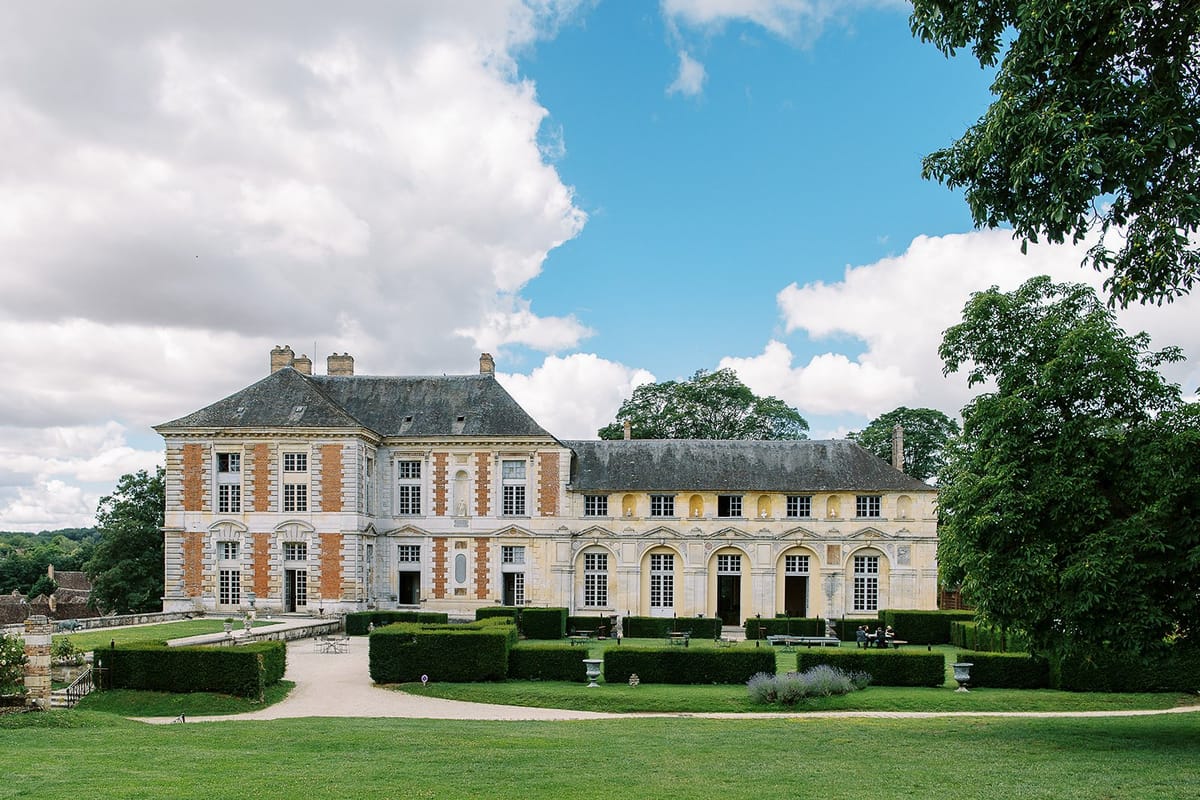
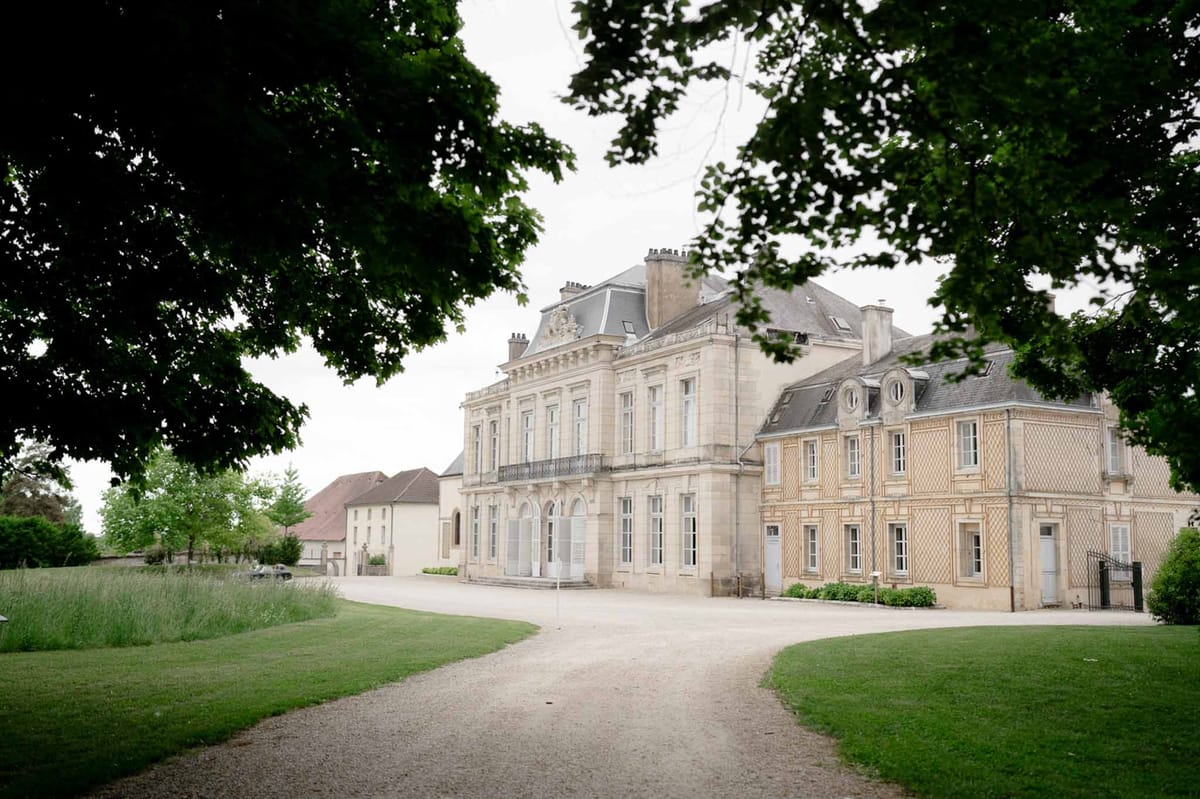
Château Vitry-la-Ville in Grand Est near Châlons-en-Champagne is the only non-Bourgogne-Franche-Comté property; it sits in the Champagne region. Sixteen restored bedrooms sleep up to 35 guests on-site, with seated capacity to 200. Its editorial dossier is the deepest of the nine, with verified date availability and verified responsiveness; the €3,000 starting price is the lowest across our curated French chateau wedding shortlists.

Why We Love It

Champagne extension with the lowest starting price in our comparable French chateau wedding shortlists.

Max Guests
200
Sleeps
35
Chapel
Yes
From €3,000 / venue hire

02
CHATEAU · NIÈVRE · BOURGOGNE-FRANCHE-COMTÉ
4.6 (183 reviews)
Nevers (10 km), Nièvre

Château Planchevienne in Bourgogne-Franche-Comté near Nevers sits at Burgundy's southwestern edge where the region meets the upper Loire. Twelve restored bedrooms sleep up to 34 guests on-site, with seated capacity to 300 across formal reception spaces. Reach via Paris Bercy regional rail (2h15) plus a 30-minute drive, OR via Le Creusot TGV + a 1-hour drive. Local catering ecosystem includes Pouilly-Fumé and Sancerre wine sourcing for couples wanting upper-Loire-style wine pairings rather than pure Burgundy style.

Why We Love It

Quieter inland style at Burgundy's Loire-edge with strong reception capacity for the price.

Max Guests
300
Sleeps
34
Chapel
No
From €7,200 / venue hire

03
CHATEAU · SAÔNE-ET-LOIRE · BOURGOGNE-FRANCHE-COMTÉ
4.8 (76 reviews)
Beaune (15 minutes by car), Saône-et-Loire

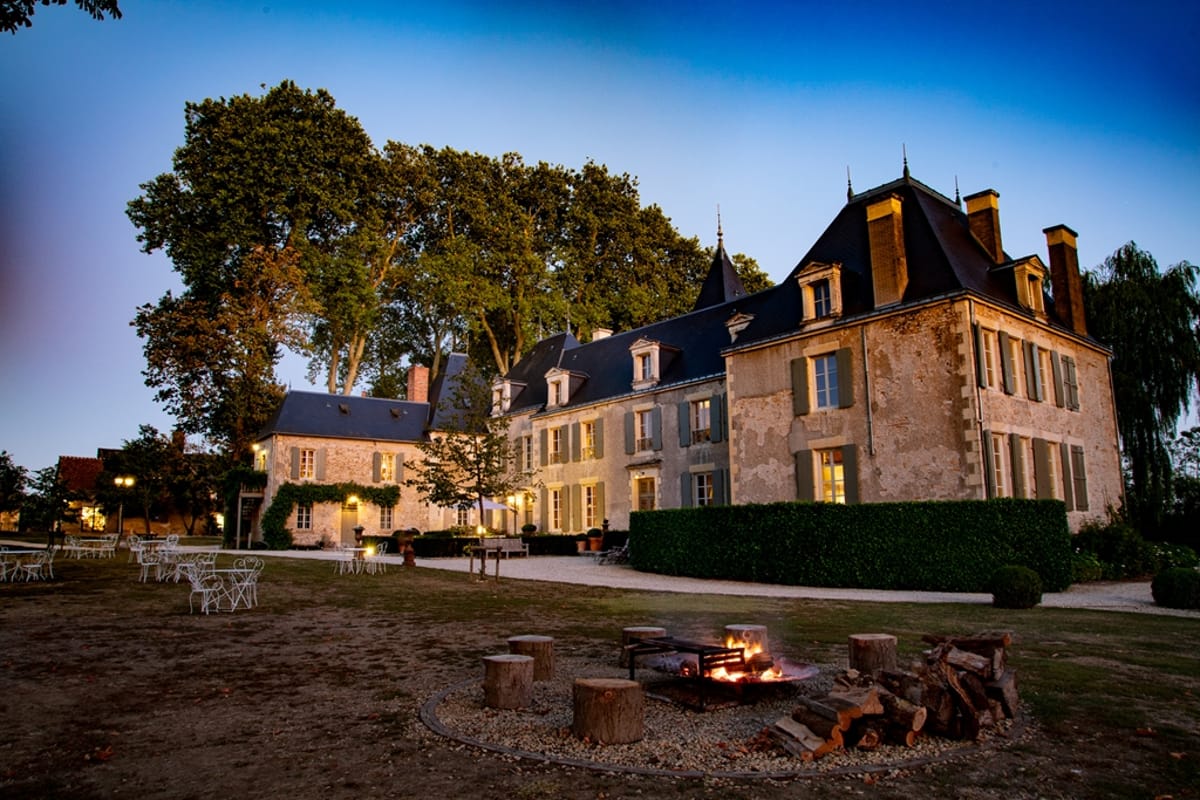
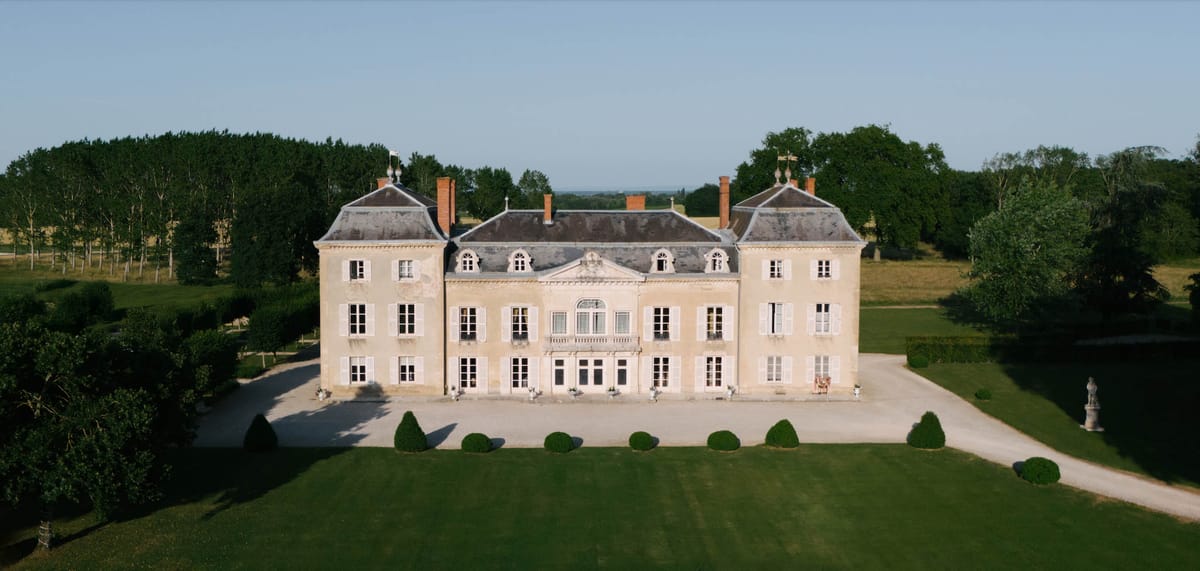
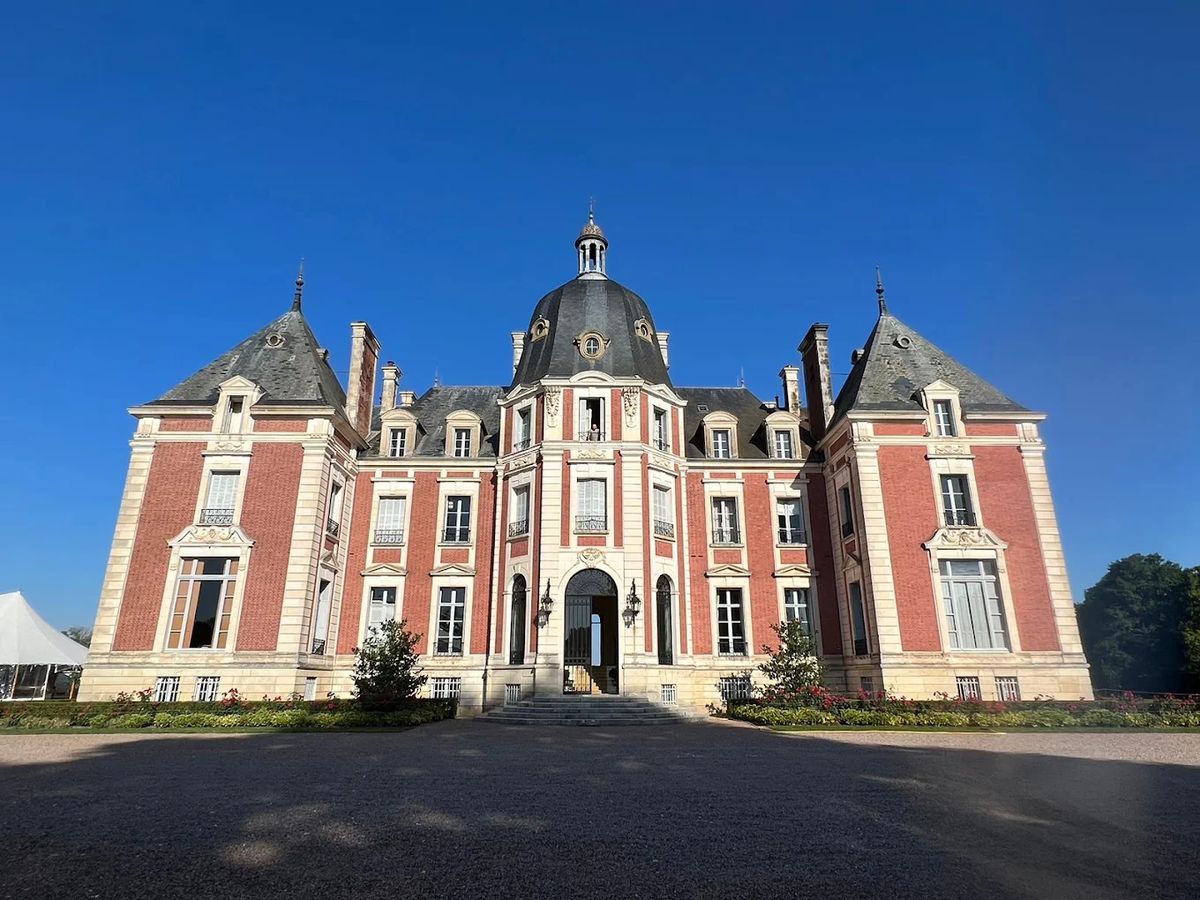
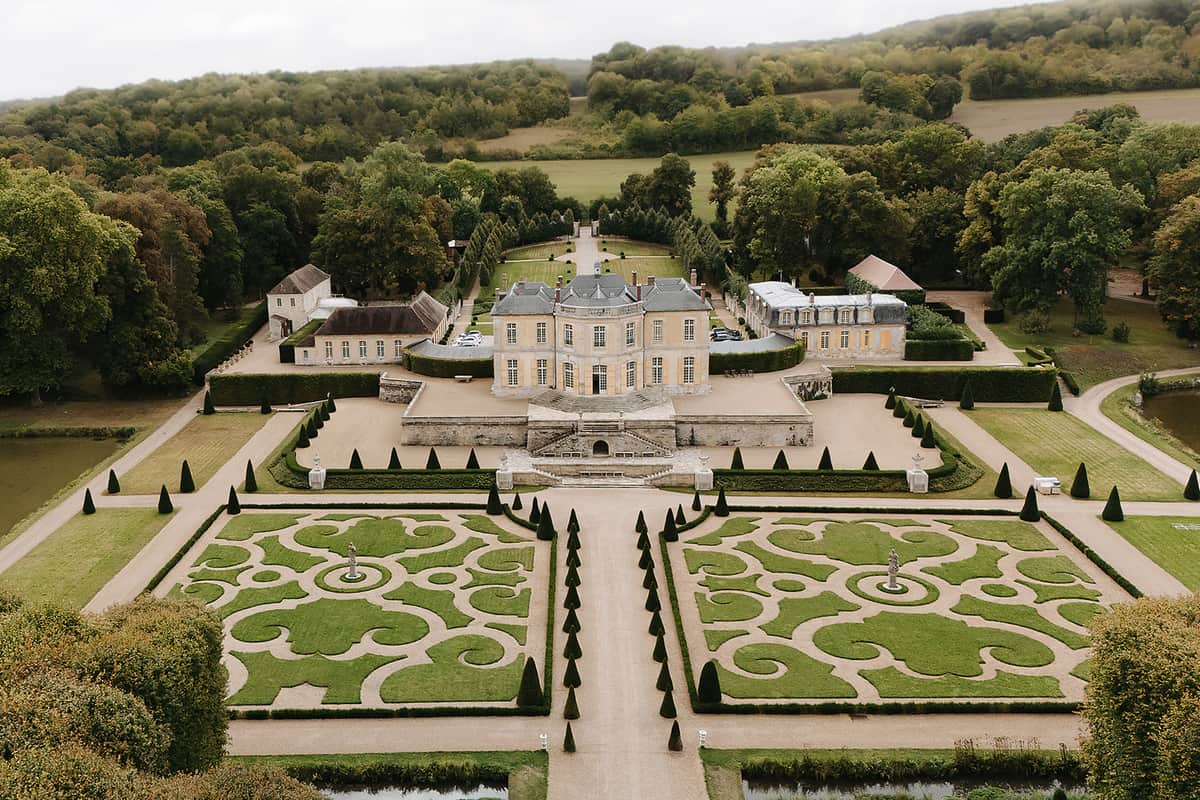
Château de Varennes in Bourgogne-Franche-Comté near Beaune sits at the heart of Côte d'Or climats wine country. Twenty-seven restored bedrooms sleep up to 60 guests on-site, with seated capacity to 200 across formal reception rooms. Beaune TGV reaches Paris Gare de Lyon in 1h35; the catering ecosystem has the most direct climat-tier wine-pairing access. leading Cru and Grand Cru producers within 15-30 minutes of the estate; the regional sommelier ecosystem builds wedding-table wine pairings around specific climat-tier bottles.

Why We Love It

Closest property on the page to Côte d'Or climats; strongest wine-pairing access.

Max Guests
200
Sleeps
60
Chapel
Yes
From €19,500 / venue hire

04
CHATEAU · YONNE · BOURGOGNE-FRANCHE-COMTÉ
4.7 (91 reviews)
Yonne

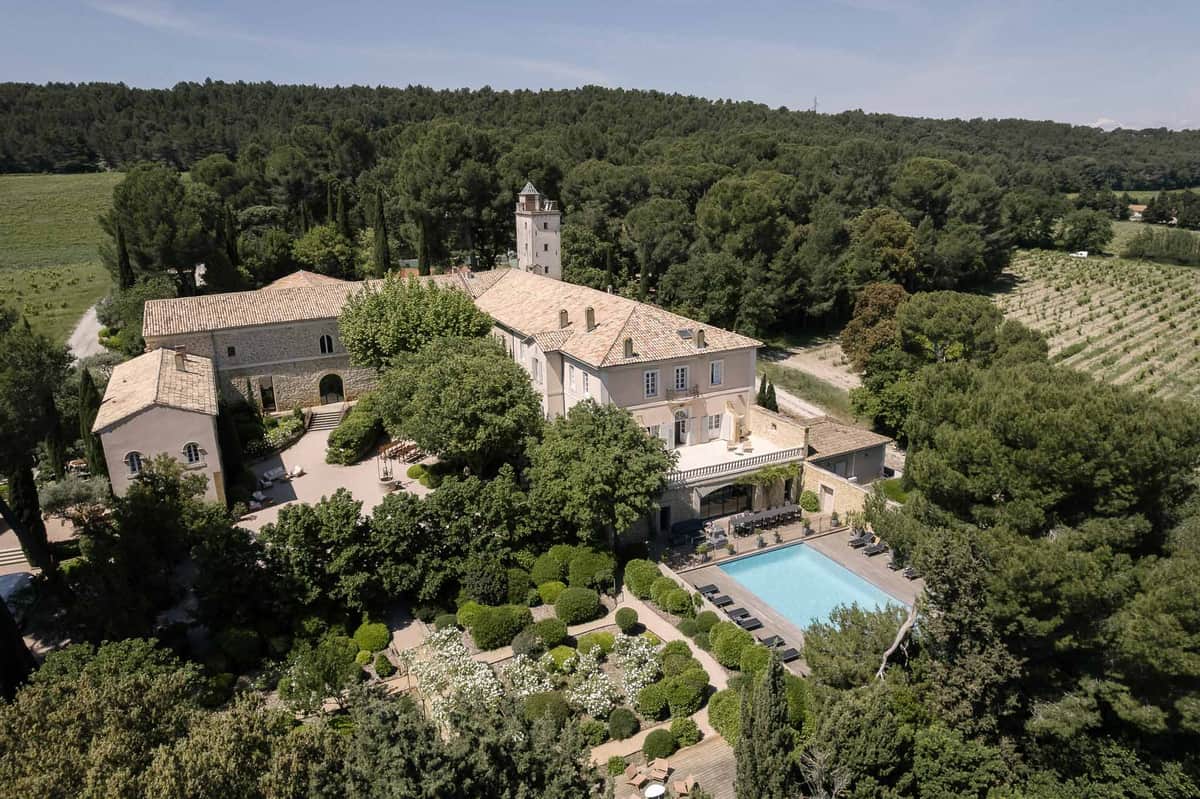
Château Percey in Bourgogne-Franche-Comté carries 19 restored bedrooms sleeping up to 65 guests on-site, with seated capacity to 400 across reception spaces. The estate sits between the Côte d'Or heartland and the closer-to-Paris Yonne properties geographically. The 400-seated capacity is the largest in pure-Burgundy proper; reach via Tonnerre regional rail or Paris + 90-minute drive. Mid-region position offers access to both Côte d'Or climat producers and northern Chablis appellation wines depending on couples' wine-pairing brief.

Why We Love It

Largest seated capacity in pure Burgundy proper; mid-region position for wine pairing.

Max Guests
400
Sleeps
65
Chapel
No
From €15,000 / venue hire

05
CHATEAU · YONNE · BOURGOGNE-FRANCHE-COMTÉ
4.5 (2 reviews)
Paris (1 hour 30 minutes), Yonne

Château de la Gruerie in Bourgogne-Franche-Comté reaches via Paris with seven restored bedrooms sleeping up to 14 guests on-site. Seated capacity to 12 suits intimate micro-weddings only; the property is the smallest reception capacity, suited to wedding parties of 8-12 with broader guests routed to nearby Yonne-region partner accommodation. The Yonne position reaches via Joigny or Auxerre regional rail with strong access to Chablis-region catering for any micro-wedding wine-pairing brief.

Why We Love It

Micro-wedding option for 12-or-fewer-guest celebrations within reach of Paris.

Max Guests
80
Sleeps
14
Chapel
No
From €8,500 / venue hire

06
CHATEAU · YONNE · BOURGOGNE-FRANCHE-COMTE
4.8 (394 reviews)
Paris (1h30 by car or 1h10 by direct train), Yonne

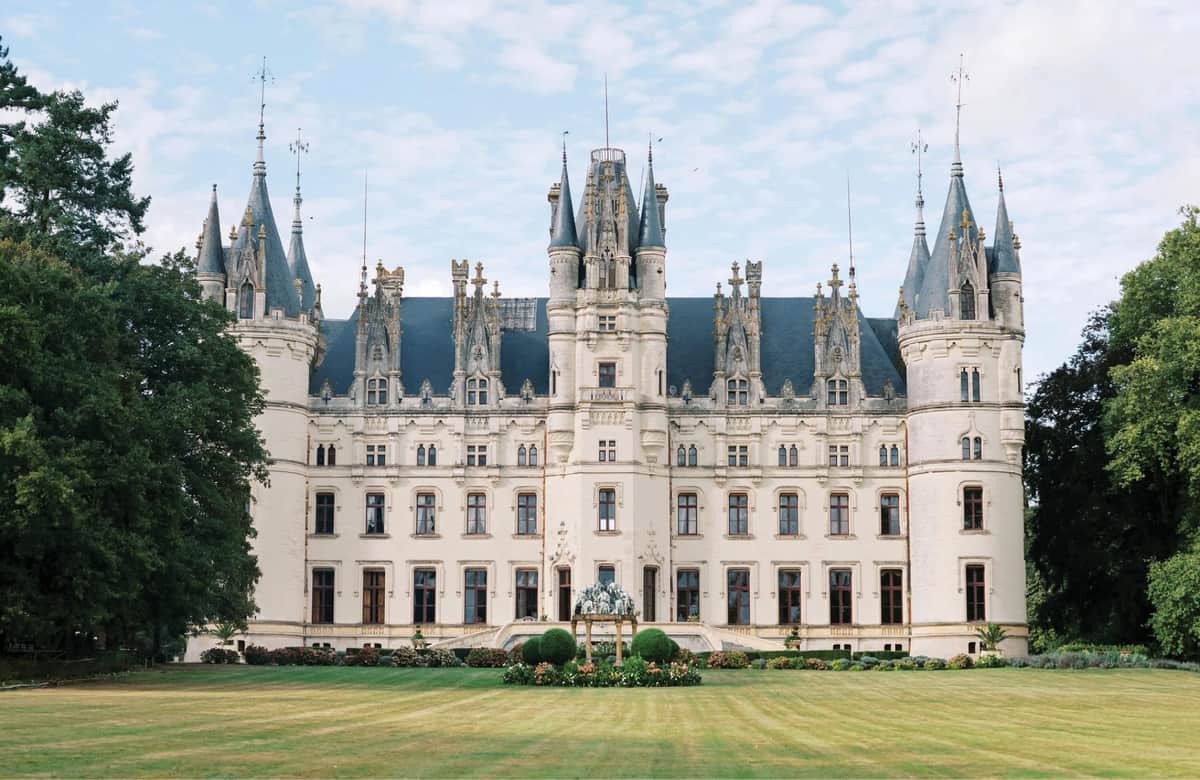
Château du Fey in Bourgogne-Franche-Comté sits in Yonne within reach of Paris. Twenty-eight restored bedrooms sleep up to 160 guests on-site (the largest sleeping footprint across our curated French chateau wedding shortlists), with seated capacity to 620. The estate accommodates entire 100-150-guest weddings on-site without overflow; suits multi-generational guest lists or extended-family weddings prioritising scale. The 5.7-sleepers-per-bedroom ratio suggests dormitory or twin-room configuration; couples typically use this property for extended-family weddings where guest sleeping arrangements span family-suite, single-occupancy, and shared rooms.

Why We Love It

Largest sleeping (160) and seated (620) footprints across our curated French chateau wedding shortlists.

Max Guests
1000
Sleeps
160
Chapel
No
From €18,000 / venue hire

07
CHATEAU · NIÈVRE · BOURGOGNE-FRANCHE-COMTÉ
4.8 (71 reviews)
Paris (2 hours 15 minutes by car), Nièvre

Domaine Reveillon in Bourgogne-Franche-Comté reaches via Paris with twelve restored bedrooms sleeping up to 48 guests on-site, with seated capacity to 350 across reception spaces. The estate suits 100-200-guest weddings prioritising the rural Burgundy style without the Côte d'Or-tier wine-pairing ecosystem; couples typically engage their own regional Burgundy or Auxerrois caterer brief. Reach via Paris Bercy rail with Yonne-region rail combination; the rural Burgundy style suits couples prioritising quieter wedding-day pace over Côte d'Or climat-tier wine immersion.

Why We Love It

Mid-capacity Burgundy estate with strong reception capacity for the price.

Max Guests
300
Sleeps
48
Chapel
No
From €9,000 / venue hire

08
CHATEAU · CÔTE-D'OR · BOURGOGNE-FRANCHE-COMTÉ
4.8 (33 reviews)
Dijon (15 km (20 minutes)), Côte-d'Or

Château Arcelot in Bourgogne-Franche-Comté near Dijon sits within reach of Côte d'Or climat producers. Sleeps up to 32 guests on-site across restored bedrooms (bedroom count not in source data; confirm at booking). Reach via Dijon TGV in 1h25 from Paris Gare de Lyon plus a 20-minute drive; the closest property on the page to Dijon proper. Côte de Nuits climat producers within 20-30 minutes; the Dijon-direct position is operationally simpler for international guest arrivals than mid-region or Yonne properties.

Why We Love It

Dijon-direct access for Côte d'Or wine country immersion.

Max Guests
320
Sleeps
32
Chapel
No
From €9,200 / venue hire

09
CHATEAU · YONNE · BOURGOGNE-FRANCHE-COMTÉ
4.8 (640 reviews)
Paris (100 km / approximately 1 hour), Yonne

Château de Vallery in Bourgogne-Franche-Comté sits in Yonne reaching via Paris in under 90 minutes by car. Twenty-eight restored bedrooms sleep up to 56 guests on-site, with seated capacity to 300 across formal reception rooms. The estate's Paris-direct position makes it particularly compelling for compressed-format weekends or for couples with primarily UK guest lists routing via Eurostar to Paris Gare du Nord.

Why We Love It

Paris-direct access (under 90 min by car) with substantial sleeping footprint.

Max Guests
300
Sleeps
56
Chapel
No
From €18,000 / venue hire

Why Burgundy for a French château wedding

International couples scanning France for a château wedding land on Burgundy for three structural reasons: the climats-system wine geography, the Paris-direct rail and motorway access, and the comparatively compressed wedding-season window that drives off-peak rate compression at properties unfamiliar to most international wedding-planning blogs.

The wine angle is the strongest editorial differentiator. UNESCO inscribed the Climats of the Côte d'Or as a World Heritage cultural landscape in 2015. The inscription matters operationally: each climat is a separately-demarcated terroir block, often only a few hectares, with its own soil composition, slope orientation, microclimate, and historical wine identity. Burgundy wine pairings at a wedding can specify climat-tier bottles (leading Cru or Grand Cru from named producers) rather than appellation-tier bottles (the way Bordeaux works). The editorial specificity is materially different.

Paris-direct rail access reshapes the international guest arrival calculus. Beaune TGV reaches Paris Gare de Lyon in 1h35; Dijon TGV in 1h25. From Paris, Charles de Gaulle direct flights to every major Anglosphere market (London, New York, Toronto, Sydney, Dublin) handle the bulk of multi-source guest lists. The compounded transit time (CDG → Paris-Gare-de-Lyon → Beaune-or-Dijon → 15-60min drive) typically lands door-to-door 4-6h from London + 12-15h from US east-coast, comparable to Bordeaux and shorter than Provence for most northern guest-list shapes.

Off-peak rate compression is a Burgundy-specific opportunity. The wedding-season window runs late May through early October; July-August carry hot continental conditions; September overlaps grape harvest at working wine estates. October through April opens significant rate savings (30-50% versus peak May-June), with candlelit indoor receptions in vaulted reception rooms and fireplace-heated cocktail hours. Couples flexible on date can secure properties at the upper architectural style at materially below the Bordeaux or Provence equivalents. Three properties are particularly compelling for off-peak: Château de Vallery, Château de Varennes, and Château Percey.

What Burgundy does not match is the warm-weather reliability of Provence or the maritime-coast style of Brittany and the Riviera. Burgundy summers are continental: hot days, cooler nights, occasional thunderstorms. May, June, and September are the strongest months for outdoor reliability. Couples whose mental model is sun-drenched lavender weddings will land in Provence; couples whose model is climat-tier wine pairings and serious continental cuisine land here. For deeper regional comparison see our flagship France guide.

The Anglosphere market for Burgundy weddings is particularly compelling because the wine context is internationally legible. UK couples whose guests have done Bourgogne wine-club tastings recognise climat names from the dinner-service menu; US east-coast couples whose family runs a wine cellar can identify leading Cru parcels by name. The editorial style lands harder when the audience already shares the wine vocabulary, and Burgundy's UNESCO inscription has elevated international recognition further. Couples wedding here for the wine-pairing style typically describe the weekend afterward as the wine-immersion experience their guests had been waiting for.

The compressed wedding-season window is also an operational advantage that less-experienced planners miss. Burgundy's main wedding season is May, June, and September; July-August carry continental heat; April and October are shoulder; November-March opens off-peak rates. With fewer competing peak-season weekends to staff, the regional vendor ecosystem (caterers, florists, transport providers, sommelier brokers) typically responds faster and engages more deeply on each wedding than equivalents in over-saturated Provence or Bordeaux. Speed-of-vendor-response and depth-of-engagement are operational levers that materially shift the planning experience.

International couples comparing Burgundy weddings against the home-country wedding economic baseline (UK average wedding spend £20,000; US average $30,000) typically find Burgundy's lower price floor compelling once the additional travel-and-accommodation cost is netted out. A 100-guest Burgundy wedding at €60,000 all-in (venue + catering + accommodation + climat-tier wine + planner + transport) carries roughly the same total spend as an equivalent UK or US home-country wedding once destination travel is included; the destination-wedding economics flip from premium to neutral once the lower French operational cost is factored in. This is materially different from Provence or Riviera weddings where the all-in destination-wedding cost premium is real.

Sub-area archetypes; Côte d'Or, Yonne, Nivernais, Champagne extension

The nine estates span four sub-area archetypes, each with distinct editorial style. Côte d'Or wine country properties (Château de Varennes near Beaune, Château Arcelot near Dijon) sit at the heart of the climats-system wine geography. leading Cru and Grand Cru producer estates surround the wedding venues; the local catering ecosystem builds menus around climat-tier pairings. Most international couples prioritising the Burgundy wine style start their search here.

Yonne (northern Burgundy) properties (Château du Fey, Château de Vallery, Château de la Gruerie) extend the page into the closer-to-Paris sub-area. Reach is under 90 minutes from Paris by car or via Joigny + Auxerre regional rail connections. The northern Burgundy wine style is anchored on Chablis appellations; not the Côte d'Or climat tradition but its own grand-cru classification system. Château du Fey with 160 sleeping and 620 seated capacity is the largest footprint on the page .

Nivernais and Loire-edge properties (Château Planchevienne near Nevers, Domaine Reveillon) extend the page into Burgundy's southwestern edge where the region meets the upper Loire. The wine style is lighter than the Côte d'Or heartland but the architectural style matches: 17th-19th-century private estates with formal grounds, restored period bedrooms, and reception rooms suited to 200-350-guest seated dinners.

Champagne-region extension: Château Vitry-la-Ville in Grand Est near Châlons-en-Champagne is the only non-Bourgogne-Franche-Comté property. Its editorial dossier on French Wedding Style is the deepest of the nine: verified date availability, verified responsiveness, and the richest on-site media coverage. The Champagne wedding style is materially different from Burgundy's still-wine tradition; couples wedding here typically build the dinner-service around Champagne house pairings (Pommery, Veuve Clicquot, Taittinger from neighbouring producers) rather than climat-tier still wines. The slug-vs-content honesty: search intent for "chateau wedding venues Burgundy" overlaps materially with "chateau wedding venues northern France" + "chateau wedding venues Champagne" among international couples comparing northern French wine-country destinations, and Vitry-la-Ville's editorial style fits the page.

Château Percey sits between the Côte d'Or archetype and the Yonne archetype geographically, with 400 seated capacity (the largest in pure Burgundy proper) and 65 sleeping. Couples comparing this property typically prioritise reception scale over Beaune-direct wine immersion.

Sub-area choice locks the entire wedding brief: catering style, accommodation pattern, transport logistics, vendor network, and the cuisine style. Côte d'Or properties sit at the climats heartland; Yonne properties trade climat proximity for Paris-direct guest arrival; Nivernais properties carry quieter rural character at lower price points; the Champagne extension shifts the wine style entirely. Couples scoping the page should weight which sub-area's editorial style matches the wedding brief.

Capacity, bedrooms, and accommodation patterns

Across the nine properties, seated capacity spans 12 to 620 guests; the 12-seated property is Château de la Gruerie at the intimate end suited to micro-weddings, and the 620-seated property is Château du Fey. Most properties operate comfortably in the 200-400 seated band. On-site bedroom count ranges from 7 (Gruerie) to 28 (du Fey, Vallery), with sleeping capacity 14 to 160 across the page.

Three accommodation patterns appear. Largest sleeping footprint: Château du Fey with 160 sleeping is by far the largest (across our curated French chateau wedding shortlists sleeping ranges 8-50 typically; du Fey at 160 is the outlier). The estate suits multi-generational guest lists or extended-family weddings where the entire 100-150-guest list stays on-site without overflow.

Mid-capacity sleeping (28-65) covers Château de Vallery (28 bedrooms, 56 sleeping), Château de Varennes (27 bedrooms, 60 sleeping), Château Percey (19 bedrooms, 65 sleeping), and Domaine Reveillon (12 bedrooms, 48 sleeping). These suit standard 80-150-guest weddings with the wedding party plus extended family on-site and broader guests routing to nearby village partner accommodation.

Compact sleeping (under 35): Château Vitry-la-Ville (16 bedrooms, 35 sleeping), Château Planchevienne (12 bedrooms, 34 sleeping), Château Arcelot (32 sleeping; bedroom count not in source data), Château de la Gruerie (7 bedrooms, 14 sleeping suited to micro-weddings only).

Confirm two numbers in writing before deposit on any property: the maximum seated dinner capacity (with dancing space included) and the wet-weather seated capacity (the indoor backup with no outdoor floor). Continental Burgundy summers carry occasional thunderstorms; the wet-weather number is operationally binding more often than in Provence. Bedroom rates may be included in weekend hire OR charged separately; some properties insist on full bedroom take-up to justify the weekend block, others price flexibly. The pricing range (€3,000-€19,500 starting) is the lowest across our curated French chateau wedding shortlists, particularly compelling at Château Vitry-la-Ville at €3,000 starting.

Bedroom configuration matters as much as count. Château du Fey at 28 bedrooms accommodating 160 sleeping (5.7 sleepers per bedroom average) suggests substantial multi-occupancy or dormitory-style configuration; couples typically use this property for extended-family weddings where parents and grandparents occupy private bedrooms while younger guests share twin or quad rooms. Château de Vallery at 28 bedrooms accommodating 56 sleeping is more typical 1.5-2 per bedroom, suited to standard wedding-party-plus-family on-site occupancy.

Pricing is materially below the Bordeaux + Provence sister cohorts. Starting prices €3,000-€19,500 here versus €4,600-€42,800 (Bordeaux) and €3,000-€55,000 (Provence). The lower-price floor reflects Burgundy's smaller-per-property economics across the editorial list; the upper-price ceiling is lower because no hotel-tier all-inclusive properties operate (in contrast to Bordeaux's Vigiers 65-bedroom hotel model). Couples wanting all-inclusive operational simplicity should weight this; couples comfortable with open-vendor planning bandwidth get materially better value here.

The pricing-floor advantage on Burgundy versus Bordeaux + Provence sister cohorts is structural, not coincidental. Burgundy's wedding-venue ecosystem operates with smaller per-property economics than Bordeaux's hotel-tier estates or Provence's all-inclusive weekend formats; editorially-vetted estates with lighter operational data dominate the regional list because the per-property economics are tighter and concentrated operational-data publication hasn't been the dominant historical pattern. For couples comfortable with open-vendor planning bandwidth and willing to engage their own regional sommelier broker, the rate compression is materially compelling: starting prices €3,000-€19,500 with comparable architectural style to estates pricing €15,000-€42,800 in Bordeaux.

Catering models and the climats wine pairing

Burgundy-region châteaux structure catering in three patterns. Most properties operate open-vendor models; couples engage their own catering brief from regional kitchens in Beaune, Dijon, Auxerre, or Nevers. A smaller number work to preferred-vendor lists where 3-6 caterers have repeatedly worked the property. In-house catering with full kitchen brigades is rarer than at hotel-tier Bordeaux properties; Burgundy's catering ecosystem is dominated by independent catering houses with strong relationships across multiple wedding venues.

The climats wine pairing is the editorial differentiator that matters most. Burgundy wines are organised by individually-classified terroir blocks; the pairing decisions for a wedding dinner-service can be highly specific. A typical wedding meal might pair: a Chablis leading Cru white with the starter, a Pommard leading Cru or Volnay red with the main course, a Mâcon-Villages with the cheese course, and a Crémant de Bourgogne with dessert. The climat-tier specificity is what guests recognise as the Burgundy editorial style; Anglophone wine-trade guests typically recognise the climat names from earlier wine-club tastings.

Château de Varennes sits closest to the Côte d'Or climat heartland (Beaune 15-30 min); the catering ecosystem has the most direct climat-tier sourcing access. Château Percey and Château Arcelot reach the Côte d'Or producers within 30-45 minutes. Properties further from the climat heartland (Yonne, Nivernais) typically work with local Auxerrois or Chablis wines (still excellent, just distinct from the Côte d'Or style). Château Vitry-la-Ville in Champagne builds dinner-service around Champagne-house pairings; the editorial style shifts entirely.

Catering pricing across the page typically lands €100-€220 per head for the wedding meal (lower than Bordeaux's €130-€280 range, reflecting Burgundy's smaller-property dominance). Climat-tier wine adds €30-€80 per head depending on leading Cru vs Grand Cru selection; couples wedding for the wine pairing typically budget the wine line accordingly. Confirm catering model in writing before deposit; ask explicitly whether climat-tier wine sourcing is included in the catering quote or quoted separately by a regional sommelier. Full guidance lives in our wedding catering and cuisine guide.

The bistronomic and serious-food style that Burgundy is internationally known for runs through wedding catering as well. Beef bourguignon, coq au vin, escargots, jambon persillé, époisses cheese; regional dishes appear on most wedding-meal menus, often with contemporary plating. Couples wanting more elaborate or international cuisine style typically engage an external chef; couples wanting the regional immersion typically work with a local catering house that has built menus specifically for Burgundy-region wedding events.

Sommelier engagement is the under-appreciated discipline for Burgundy weddings. Where Bordeaux catering houses typically include the wine list as part of the per-head catering quote, Burgundy weddings often separate catering from sommelier services. A regional sommelier broker engages with the producer relationships and curates climat-tier wine selections for the dinner-service; the catering house handles the food, plating, and service logistics. The split adds a planning relationship but unlocks materially more wine-pairing depth.
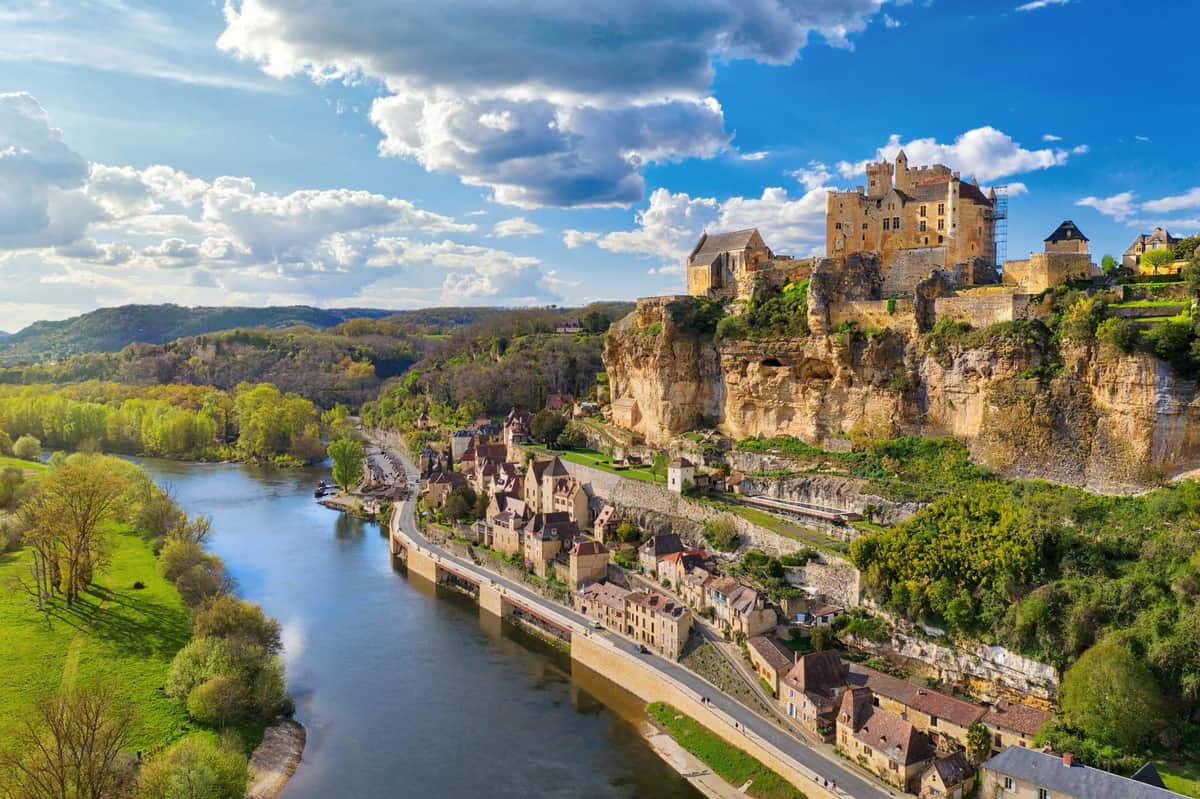
The page is the lowest-priced of comparable French chateau wedding shortlists despite carrying high-quality estates with substantial accommodation footprints; couples comfortable with open-vendor planning bandwidth typically rate the wine-pairing depth and continental cuisine style higher than the sister regions even at materially lower price points. The Burgundy editorial advantage is the wine specificity (climat-tier sourcing) plus the regional cuisine immersion (bistronomic Bourguignon dishes) compounding into a wedding-day style that's hard to replicate elsewhere in France.

Travel logistics and guest arrival

Paris Charles de Gaulle is the international gateway. Direct daily flights handle UK, US, Australian, Canadian, and Irish guest lists. From Paris, two TGV stations serve the region: Beaune TGV (1h35 from Paris Gare de Lyon) for Côte d'Or properties; Dijon TGV (1h25 from Paris Gare de Lyon) for Côte d'Or + northern Burgundy properties.

Yonne properties (du Fey, Vallery, Gruerie) reach via Paris + 60-90-minute drive south; the closer-to-Paris position lets couples consider Friday afternoon arrivals from London via Eurostar to Paris Gare du Nord + a hire car. Château Vitry-la-Ville in Champagne reaches via Reims TGV or Châlons-en-Champagne regional rail.

Château Planchevienne near Nevers reaches via Paris Bercy regional rail (2h15) plus a 30-minute drive, OR via Le Creusot TGV + a 1h drive. Château Percey reaches via Tonnerre regional rail or Paris + 90-minute drive. Domaine Reveillon reaches similarly via the Paris Bercy + Yonne-region rail combination.

Practical guidance for the invitation card: name Paris Charles de Gaulle as the international airport, then specify the closest TGV station (Beaune, Dijon, or Reims) and driving time in minutes from there. Most properties do not run their own shuttles; they coordinate with regional transport providers. Budget €600-€1,400 per coach for round-trip shuttle service from arrival hub to estate. For a 100-guest wedding requiring a 50-seat coach plus overflow private cars, expect a transport line of €1,500-€3,000 across the weekend depending on distance from Paris.

Eurostar from London St Pancras to Paris Gare du Nord is the practical UK-direct option for couples whose UK guest list dominates. Total transit (London → Paris → onward to estate) typically lands 5-7 hours door-to-door for Yonne properties, comparable to flight + transfer to Bordeaux or Provence. The Eurostar option is materially less efficient for Côte d'Or properties (which are 1h35+ further south by TGV); flight via CDG + TGV is the better routing for those.

Coach and shuttle costs vary by sub-area. Yonne properties (under-90-min Paris drive) quote €700-€1,200 per coach for round-trip Paris service. Côte d'Or properties via Beaune or Dijon TGV typically run €600-€1,000 round-trip from station to estate. Nivernais + Loire-edge properties €800-€1,200. Champagne extension via Reims TGV €600-€900. Get coach quotes from at least two regional providers; some venue planning teams have preferred-shuttle relationships that compress the cost; others run open-vendor and let couples broker the transport line directly.

Wedding-party arrival timing matters more in Burgundy than in some other regions because the rural sub-areas have limited late-evening guest-arrival options. Yonne and Nivernais properties may be 30-60 minutes from the nearest major hotel; couples whose international guests arrive late Friday should pre-book hotel accommodation specifically for the late-arrival list or schedule wedding-day Saturday with a buffer for late check-ins. The closer-to-Beaune-or-Dijon properties carry stronger late-arrival flexibility via Hôtel de la Poste Beaune or central Dijon hotel options.

Seasonal cadence and harvest timing

Peak Burgundy-region wedding dates run late May through early October, with strongest outdoor reliability in late May, June, and September. July-August carry hot continental conditions plus occasional thunderstorms; couples wedding here in mid-summer typically schedule outdoor ceremonies for evening (after 18:00) when temperatures and humidity ease. October weddings remain reliable for outdoor ceremony through mid-month; late October shifts indoor.

Off-peak (November-March) opens 30 to 50 percent below summer rates with candlelit indoor receptions. Burgundy's period architecture (vaulted reception rooms, fireplace-equipped salons, formal dining rooms) suits winter weddings particularly well. Couples flexible on date can secure architecturally-strong properties at materially below the Bordeaux or Provence equivalents; the trade-off is no outdoor ceremony option and a dinner-service entirely indoors.

Grape harvest at working Burgundy wine estates typically runs early September through early October, two to three weeks earlier than Bordeaux due to the cooler continental climate. Couples wedding during harvest at properties with on-site or adjacent wine production should expect cellar activity and harvest lorries on rural access roads. Some couples like the harvest backdrop with vineyard staff visible at work; others prefer to schedule pre- or post-harvest. Confirm harvest dates with the estate planning team and neighbouring climat producers before locking the wedding date; vineyard cycles shift annually with weather.

Booking window varies by demand profile. Château Vitry-la-Ville typically books 12-18 months ahead at peak; off-peak opens 6-9 months out. Lower-profile estates typically book 6-12 months ahead at peak; off-peak can open 3-6 months out at meaningful rate savings. For couples scoping the page in April 2026, realistic 2026 wedding-date bookings on these estates are limited to off-peak late-autumn or last-minute availability; 2027 and 2028 are the practical planning horizons for May-September weddings.

Late September Burgundy weddings carry the strongest editorial style on the page. The harvest is in full progress at neighbouring climat producers; the autumn light is soft and golden; the temperature is comfortable for outdoor ceremony with indoor reception; and harvest-time wine pairings (newly-pressed grapes, recent-vintage producer visits) add a layer of regional immersion. Couples wedding in late September should expect harvest activity in the surrounding landscape; this is a feature, not a bug.

Off-peak Burgundy weddings carry a specific editorial advantage that less-experienced planners miss. The continental winter (mid-November through early March) is the period when neighbouring climat producers are quietest; cellar-door tastings are easier to book; sommelier engagements run more flexibly. Couples wedding off-peak can build the wedding-weekend itinerary around a Saturday wedding plus a Sunday cellar-door producer-tour; the regional vendor ecosystem responds with deeper engagement than during the tightly-staffed peak season. The visual style of a candlelit indoor reception in a 17th-century vaulted dining room with a fireplace anchoring the cocktail hour is a different editorial mood than the sunny-afternoon outdoor wedding, but it lands particularly well for Anglosphere couples whose home-country wedding-photography aesthetic skews toward intimate-and-warm rather than bright-and-airy.

Legal pathway for international couples

Civil marriage in France must take place at a town hall (mairie) and at least one partner must have been resident in that commune for 30 continuous days. Almost every international couple handles the legal marriage at home and holds a symbolic, blessing, or religious ceremony at the château. The blessing or symbolic ceremony carries the full editorial weight of the day; the legal step is administrative.

Catholic sacramental marriages with full canonical validity require the parish priest's involvement and are usually held in the local village church before the château reception. Symbolic and interfaith ceremonies in the gardens, courtyard, formal salon, or restored chapel work at every property. The bilingual celebrant ecosystem in Burgundy is mature; partner planning teams + regional planners can recommend English-fluent officiants who lead 30-45-minute symbolic services.

The 30-day commune residency requirement is the binding legal constraint that drives the symbolic-only pathway for almost every international couple. The cost-benefit math overwhelmingly favours the home-country legal marriage plus French symbolic ceremony pattern. UK, US, Australian, Canadian, and Irish couples typically marry at home a few months ahead of the Burgundy celebration; the symbolic ceremony then carries the cultural weight of what guests perceive as the wedding day. Full process detail in our legal pathway guide.

Document handling for couples planning future French residency or property purchase is worth scoping early. UK couples need an apostille-stamped marriage certificate from the General style Office to evidence the legal marriage to French notaries; US couples follow state-specific apostille processes; Australian, Canadian, and Irish couples use Department of Foreign Affairs apostille services. None of this is required for the château symbolic ceremony itself but couples planning long-term French ties should keep apostilled certificates on hand.

The symbolic-only ceremony at the château can take any shape the couple chooses. A bilingual or English-only celebrant leads a 30-to-45-minute service in the gardens, courtyard, formal salon, or restored chapel. Structure typically includes a processional, readings (often delivered by parents or close friends, in any language), the exchange of vows and rings, an officiant address, a unity ritual if chosen, and a recessional. No civil registry, no legally-binding signatures, no commune residency requirements. The ceremony carries the cultural weight of the wedding day in the way guests perceive it; the home-country legal step is purely administrative.

Wet-weather backup and outdoor ceremony contingency

Burgundy's continental climate carries occasional summer thunderstorms and shoulder-season rainfall that make wet-weather backup planning load-bearing. Every outdoor ceremony booking should be backed by a confirmed indoor or covered alternative the couple has walked through in person at the same time of day they intend to marry.

Three Plan B patterns appear across the nine estates. Indoor formal-room backup: properties with vaulted reception rooms or restored period salons (Château de Varennes, Château de Vallery, Château Percey) move the ceremony inside without losing seated capacity. Walled-courtyard backup: estates with enclosed stone courtyards filter wind and provide rain shelter without losing outdoor character. Marquee backup: a smaller subset of properties pre-erect event tents for the weekend that double as wet-weather reception cover; ask explicitly whether the marquee is included in standard weekend hire or quoted as an add-on.

Confirm three numbers before deposit on any estate where outdoor ceremony is part of the brief: (1) the wet-weather seated capacity (the indoor or covered backup with no outdoor floor); (2) the latest call-time at which the venue planning team makes the outdoor-versus-indoor decision (typically 6-12 hours pre-ceremony); (3) whether marquee use is included or quoted separately. The third number can shift weekend cost by €3,000-€8,000 depending on tenting brief. If the wet-weather seated number is below your guest list, the venue does not work for an outdoor-ceremony plan no matter how attractive the outdoor space looks on a sunny afternoon.

The Plan B walk-through is the single most-undervalued wedding-day visit. Couples typically tour the venue in spring or summer when the outdoor space looks pristine and the wet-weather contingency feels hypothetical. Schedule a second walk-through in November or February to see exactly what the venue looks like under cloud cover, in low light, with the marquee rolled out, with the indoor reception fully set up. The visual style of a wet-weather Burgundy wedding (candlelit indoor, lower light, fireplace-warmed cocktail hour) is materially different from sunny-afternoon marketing photos. Couples who don't anchor expectations on Plan B end up disappointed when the rain arrives.

Burgundy summer thunderstorms are typically short and localised; the wet-weather contingency is more often a 2-3-hour ceremony delay than a full-day indoor pivot. Couples should plan a flexible ceremony-time window with the venue planning team: a 16:00 outdoor ceremony might shift to 18:00 if a 14:00 storm passes; or the couple might run a 14:00 indoor blessing followed by 17:00 outdoor cocktail hour after the storm clears. The Burgundy wet-weather pattern materially differs from Bordeaux's sustained-rainfall risk or Provence's mistral-wind risk; the contingency planning differs accordingly.

Expert advice

Expert Tips for This Style

Booking timeline

Book your venue at least 12-18 months ahead for peak summer dates (June-September). Saturday bookings in July and August fill first. Friday or Sunday bookings often unlock the same venue for 15-25% less.

Legal note

Civil marriages in France require 40 days of residency before the ceremony. Most international couples hold the legal ceremony at their local registry office and have a symbolic ceremony in France. This is completely valid and removes the residency requirement. Read the symbolic ceremony guide.

Plan around the climats specifically, not just the region

Generic "Burgundy wines" framing under-uses the wedding's editorial potential. Work with the venue planning team to identify which leading Cru or Grand Cru climats sit closest to the property; a dinner-service that pours specifically-named climat bottles carries materially more editorial weight than a generic Côte d'Or selection.

Eurostar via Paris is the practical UK route for Yonne properties

London → Paris Gare du Nord by Eurostar (2h17) plus a hire car south to Yonne properties (60-90 minutes) lands door-to-door 5-7 hours from London, comparable to flight + transfer to Bordeaux. For Côte d'Or properties, flight via CDG + Beaune or Dijon TGV is the better routing.

Off-peak Burgundy is materially compelling for budget-conscious couples

October through March opens 30-50 percent below summer rates at architecturally-strong properties. The trade-off is no outdoor ceremony option and entirely-indoor dinner-service; the visual style shifts to candlelit reception rooms and fireplace-warmed cocktail hours. Walk the venue in winter before locking off-peak dates so expectations match Plan B reality.

Frequently asked questions

Common Questions

Why choose Burgundy over Bordeaux for a wine-country wedding?
The climats system. Burgundy wine geography is built on individually-demarcated terroir parcels (each climat is a separately-classified soil-and-slope block, often only a few hectares); Bordeaux works on appellations covering whole regions. Couples wedding for the wine pairing get materially more editorial specificity in Burgundy (leading Cru and Grand Cru bottles from named climats and producers) than in Bordeaux's appellation-by-château framework. The 2015 UNESCO inscription of the Climats of the Côte d'Or formalises the distinction.
How much does a Burgundy-region château wedding cost?
Venue hire across the nine estates ranges from €3,000 to €19,500 per weekend; Château Vitry-la-Ville at €3,000 starting is the lowest price in our comparable French chateau wedding shortlists. Total all-in spend for an 80-150-guest wedding typically lands €40,000-€140,000 (venue, catering, accommodation, climat-tier wine, florals, photography, music, planner). The page is materially below Bordeaux or Provence equivalents on starting price, particularly compelling at off-peak rates.
How many guests can a Burgundy château hold?
The nine estates span 12 to 620 seated guests. Château du Fey at 620 is the largest seated venue across our curated French chateau wedding shortlists. Château Percey at 400 sits in the upper-Burgundy band. Most properties operate comfortably 200-400 seated. Château de la Gruerie at 12 seated suits micro-weddings only. Always confirm wet-weather seated capacity before signing.
Can foreigners legally marry at a Burgundy château?
Not directly. A French civil marriage must take place at a town hall (mairie) and at least one partner must have been resident in that commune for 30 continuous days. Almost every international couple handles the legal marriage at home and holds a symbolic, blessing, or religious ceremony at the château. Catholic sacramental marriages require the parish priest's involvement at a local village church before the château reception.
Is the Champagne extension (Château Vitry-la-Ville) actually in Burgundy?
No, it's in Grand Est region near Châlons-en-Champagne. We include it because search-intent for "chateau wedding venues Burgundy" overlaps materially with northern French wine-country queries among international couples; Vitry-la-Ville's editorial style fits the page. The Champagne wedding style shifts the wine pairing entirely (Champagne house bottles vs Burgundy still wines), but the architectural and operational pattern fits.
What is the best month for a Burgundy wedding?
Late May, June, and September carry the strongest outdoor reliability. July and August carry hot continental conditions; couples often shift ceremonies to evening (after 18:00). October works for outdoor through mid-month then shifts indoor. November-March opens 30-50 percent below summer rates with candlelit indoor receptions; Burgundy's period architecture suits winter weddings particularly well.
Are estate-bottle climat-tier wedding-table wines feasible?
Yes, particularly at Château de Varennes (closest to Côte d'Or climats) and Château Arcelot (near Dijon). Other properties access Chablis appellations or Auxerrois + Mâconnais regional wines depending on sub-area. Confirm wine model in writing before deposit; climat-tier sourcing typically adds €30-€80 per head versus regional appellation pours.

A note on editorial sourcing

Every château has been visited or vetted by our editorial team.

Ready to shortlist your Burgundy-region château?

Tell us your dates, guest count, and which sub-area you're considering (Côte d'Or wine country, Yonne Paris-reachable, Nivernais, or the Champagne extension) and we'll send a tailored response within two working days.

Start your enquiry

If you'd rather browse first, the nine estates sit below, by sub-area, capacity, and accommodation needs.

More venue guides and inspiration, every fortnight.

Join 18,000+ couples planning their French wedding. No spam. Unsubscribe any time.

Methodology

The nine properties are selected from 190+ vetted venues on French Wedding Style by four criteria: (1) French château classification (privately owned historic estate); (2) full Friday-to-Sunday sole-use weekend hire model OR multi-day all-inclusive format; (3) location within Bourgogne-Franche-Comté proper OR adjacent Grand Est (Champagne) within search-intent reach of "Burgundy chateau wedding" queries; (4) on-site sleeping accommodation of 14 or more guests. All nine estates have been editorially vetted; the cards surface in our preferred sub-region order. Curated shortlist last reviewed April 2026.

Last reviewed April 2026.

More Venue Guides

Explore our other curated guides across France's most sought-after wedding venue categories and regions.

Browse More Venues

Explore our full collection of French wedding venues by region and style