
1
Premium
CHATEAU · VAUCLUSE · PROVENCE-ALPES-CÔTE D'AZUR · Avignon (a few minutes by car), Vaucluse Google rating 4.7 (158 reviews)
01 Pricing From €18,000 Weekday Stay (1 night, 33 guests) — €15,100 Exclusive use · Accommodation for 33 Weekend Stay (3 nights, 49 guests) — €36,200 Exclusive use · Accommodation for 49 guests · 3 nights / venue hire
CHATEAU · VAUCLUSE · PROVENCE-ALPES-CÔTE D'AZUR
Château La Tour Vaucros
Premium Google rating 4.7 (158 reviews)
Avignon (a few minutes by car), Vaucluse
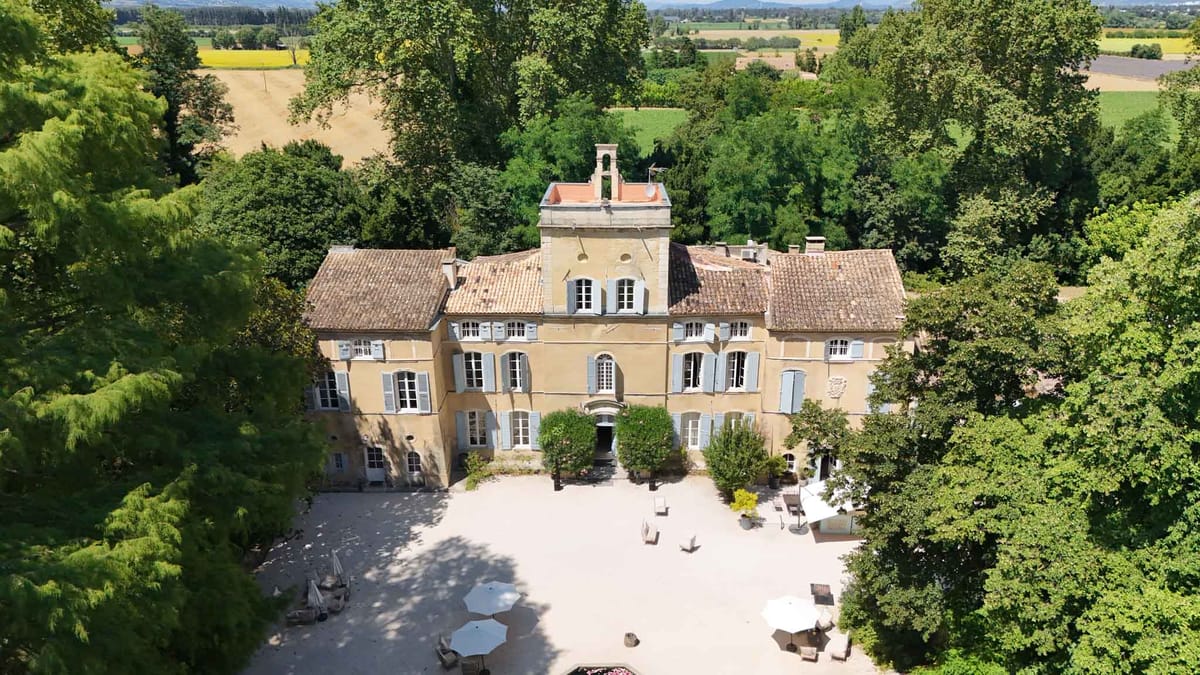
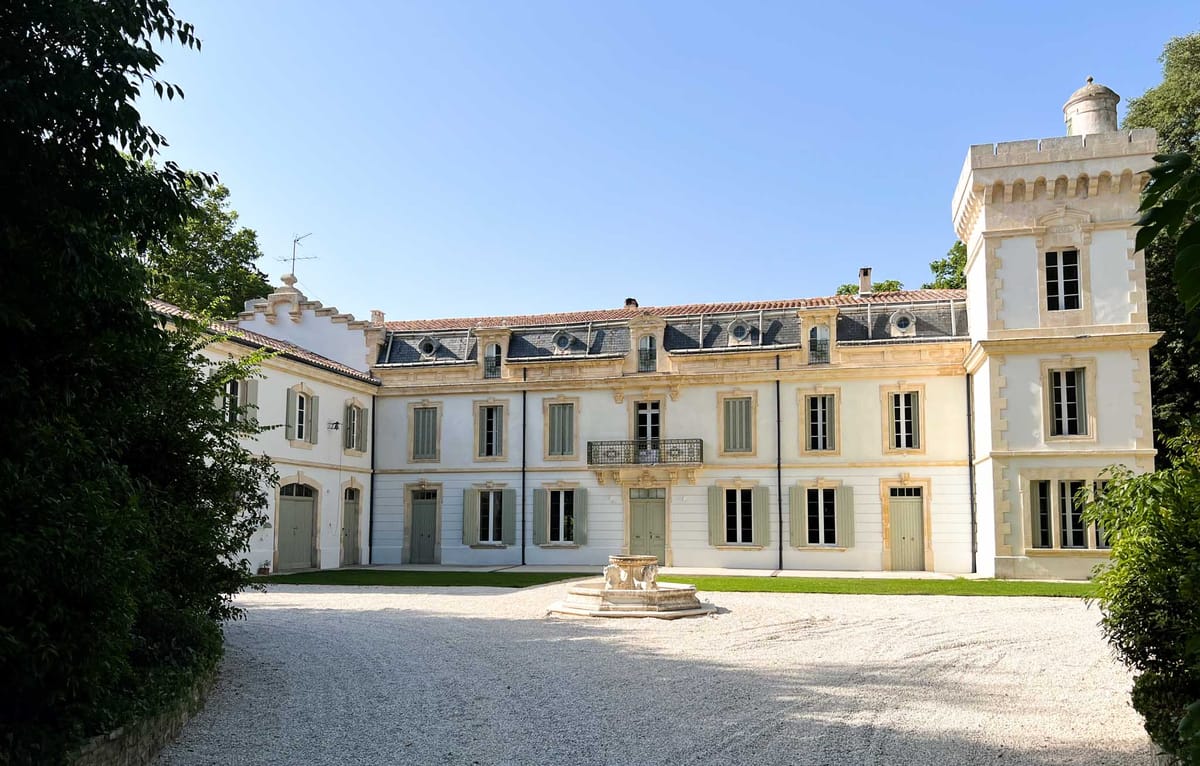
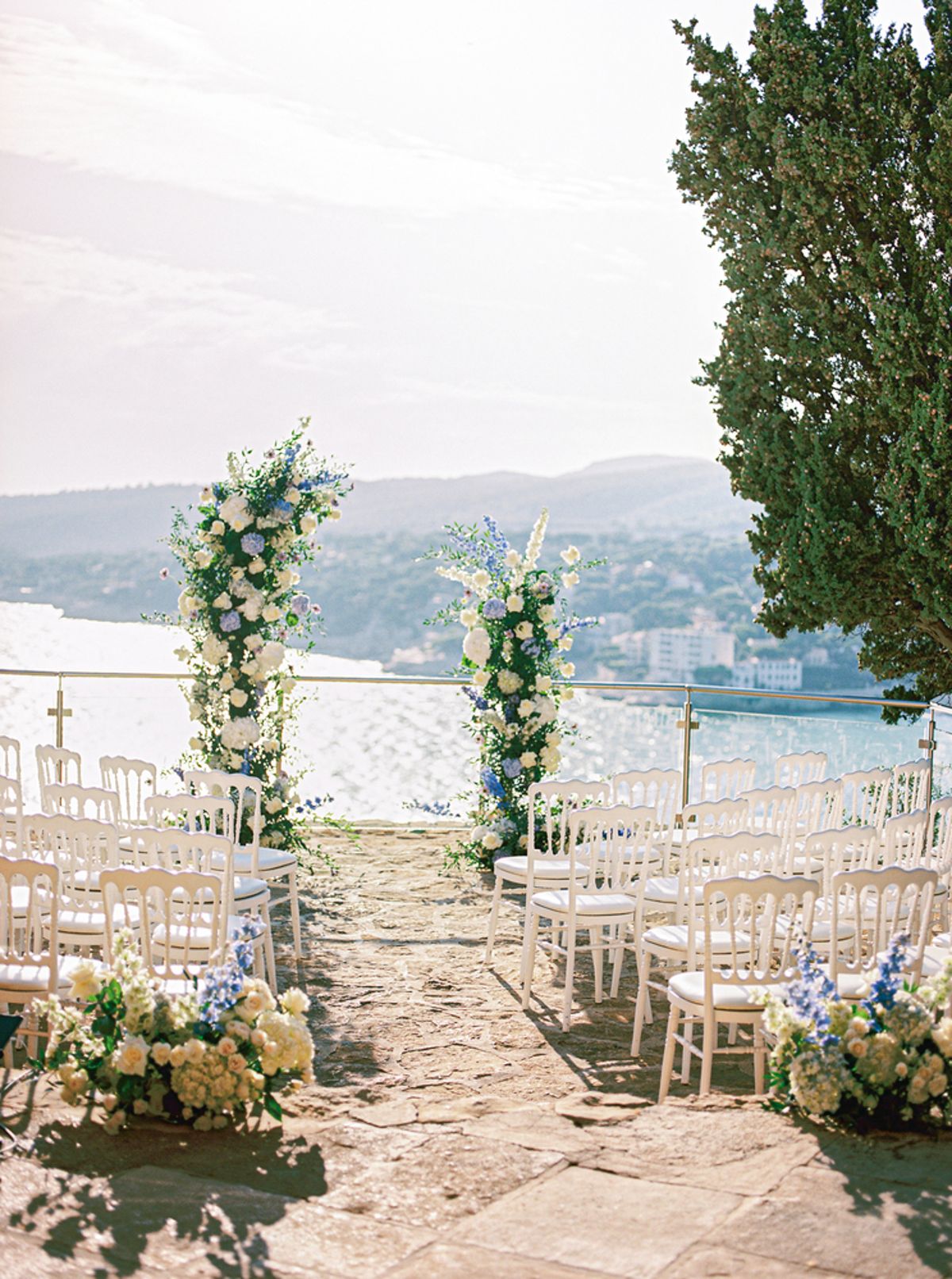
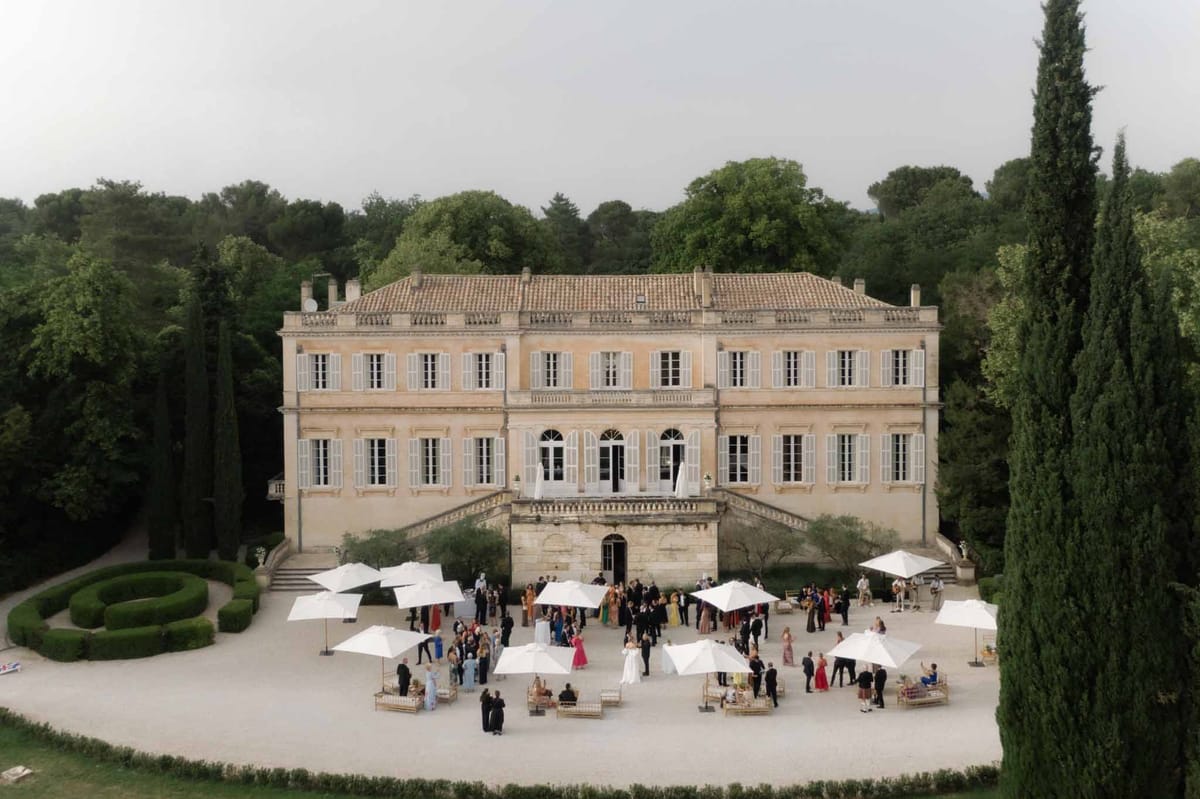
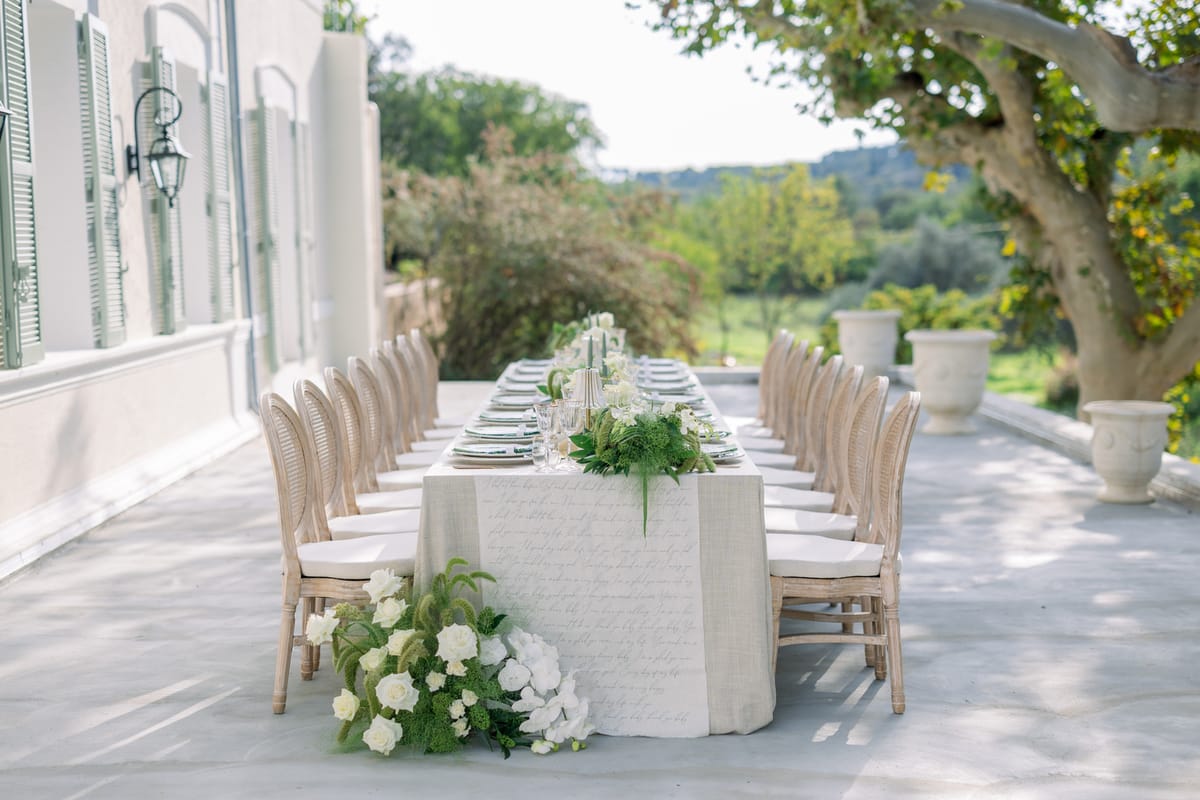
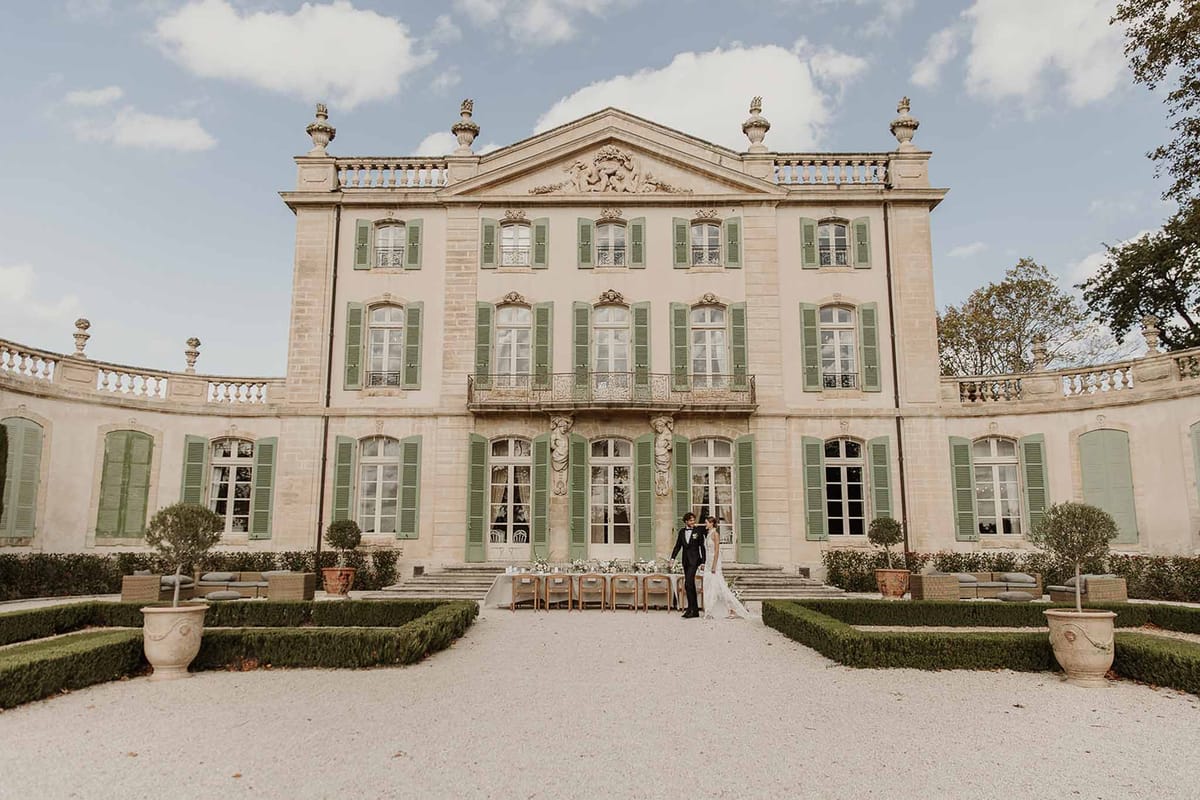
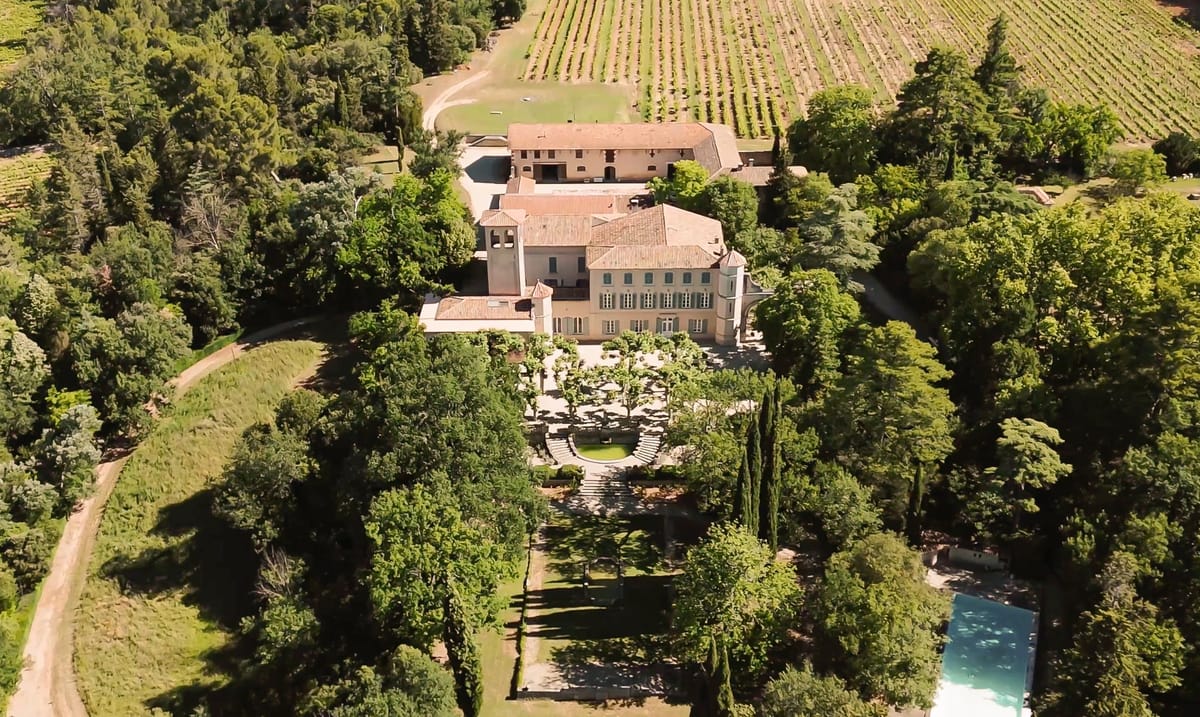
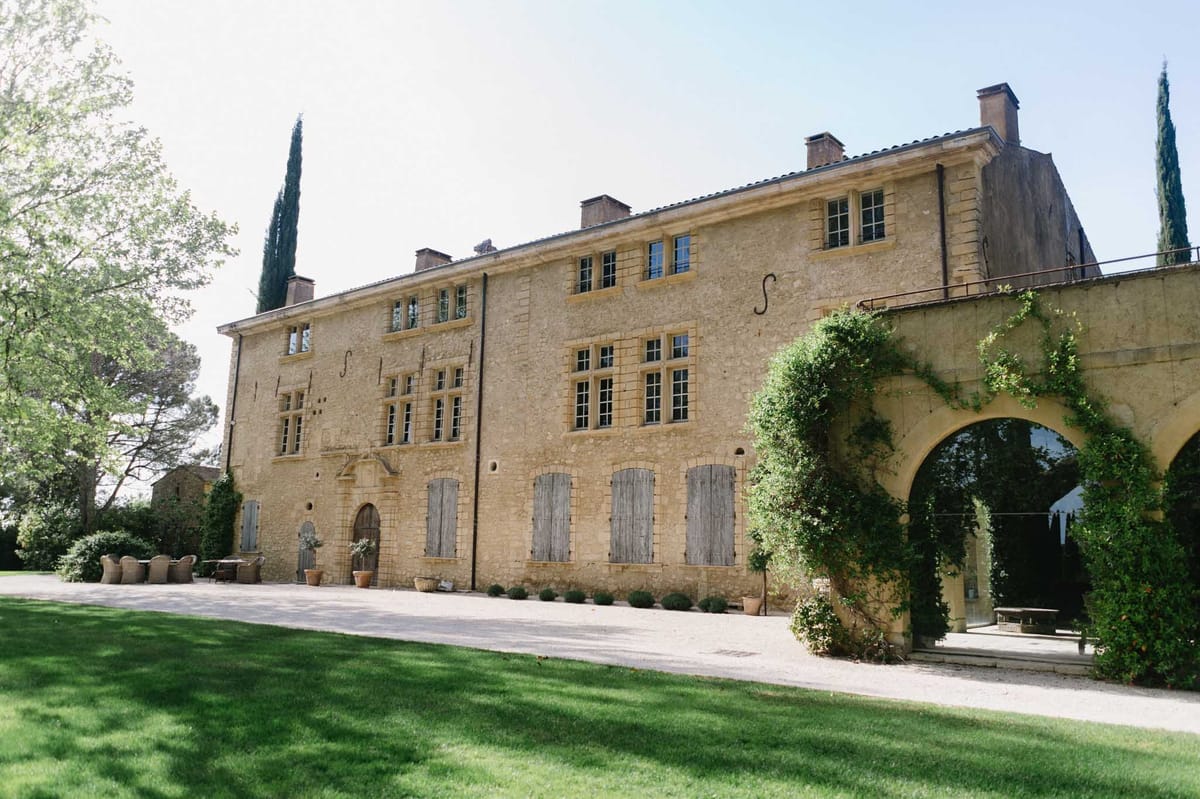
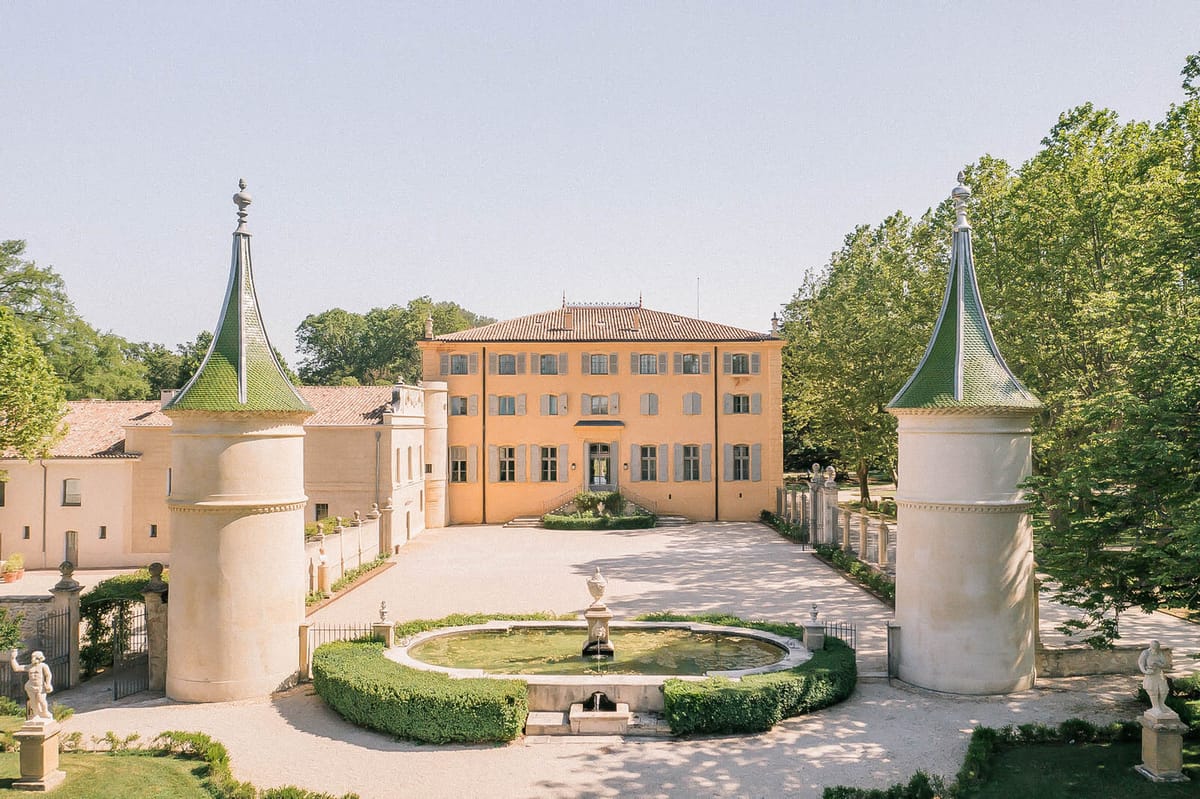
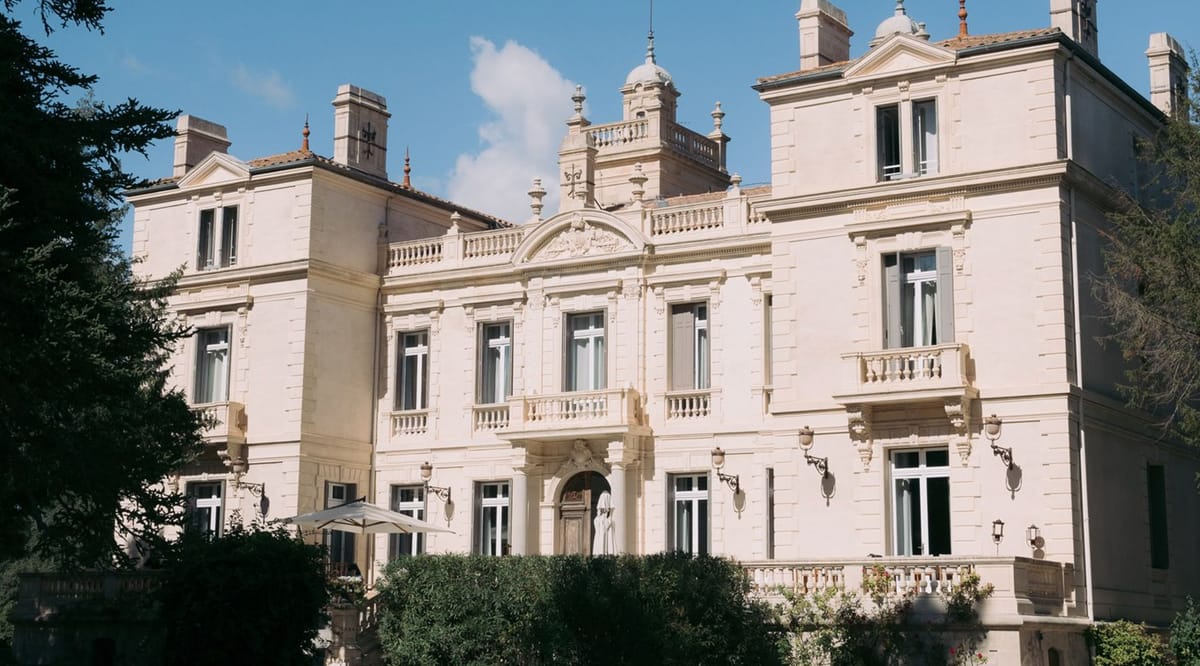
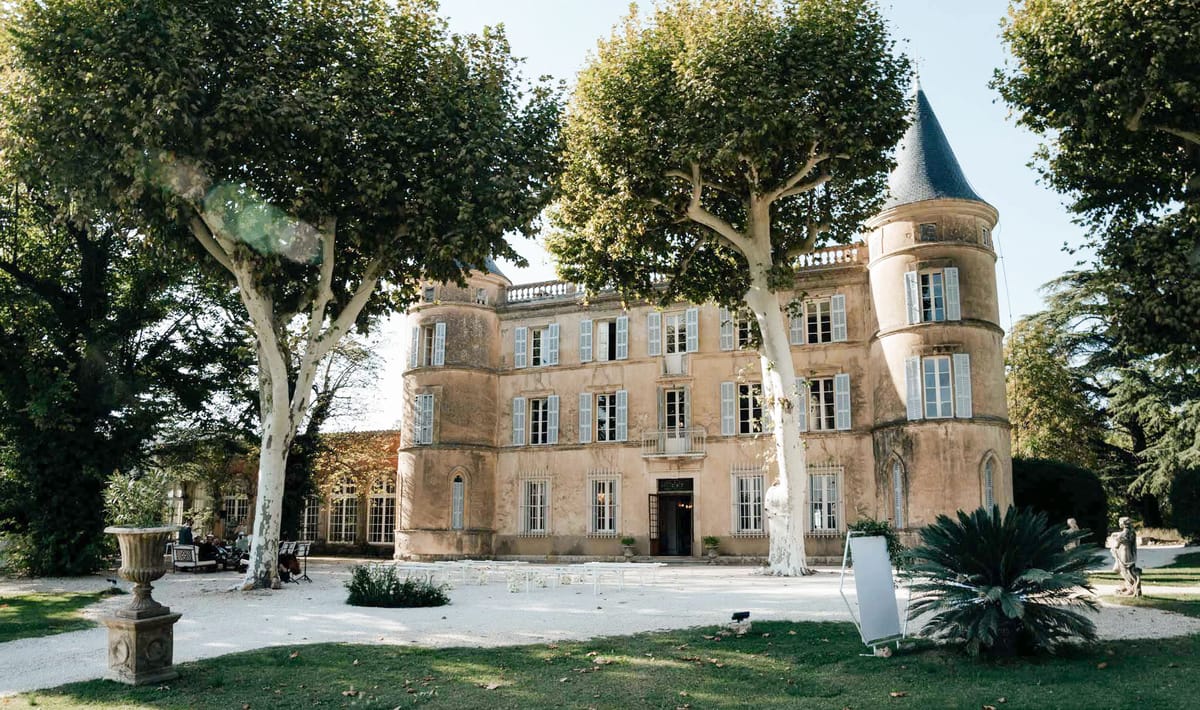
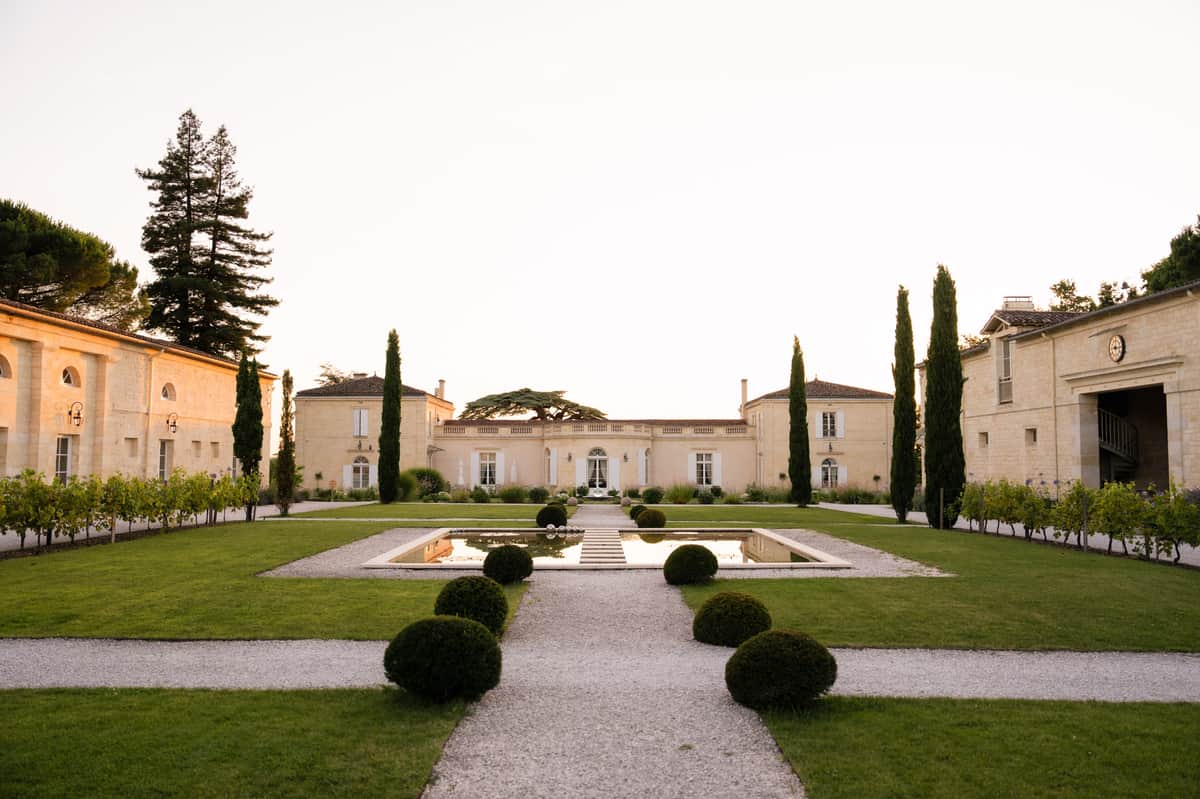
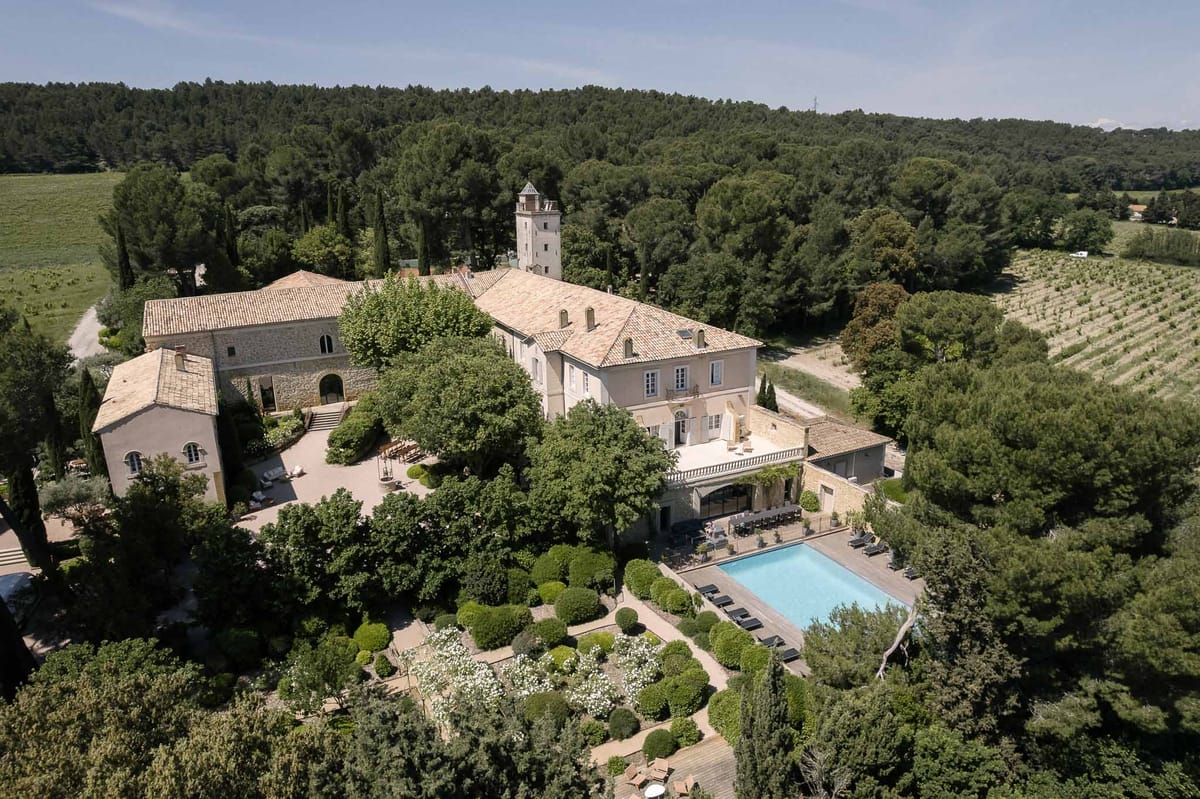
Château la Tour Vaucros sits in the Comtat Venaissin near Avignon, surrounded by the vineyards that produce Châteauneuf-du-Pape. Six restored stone buildings hold twelve event spaces, from a plane-tree courtyard seating 300 to a 220-square-metre reception hall, vine-draped terraces, and a pine-shaded poolside lawn. Twenty-three bedrooms sleep 49, with two heated pools and no curfew supporting multi-day celebrations.
Avignon TGV is 25 minutes away, connecting to Paris in under three hours.
Why We Love It
Twelve celebration spaces across restored stone buildings, minutes from Châteauneuf-du-Pape vineyards and Avignon TGV.
Max Guests
250
Sleeps
49
Chapel
No