Skip to content
Chateau Camiac | Château Wedding Venues in Europe
Curated Guide · 10 Venues

Château Wedding Venues in Europe

A curated shortlist of château wedding venues in europe, each reviewed by our team. Updated for 2026.

Discover Chateau Camiac
French Wedding Style
French Wedding Style Editorial
Updated April 2026 10 venues

All venues on this page are editorially reviewed.

When couples search for a château wedding in Europe, the answer is almost always France. The European château wedding tradition is centered on France for three reasons. The country holds the densest concentration of privately owned historic estates open for weddings. It carries an established planning ecosystem of English-speaking coordinators with deep international experience. And it offers the highest density of TGV connections to Paris Charles de Gaulle for international guest arrivals. Italy, Spain, and Portugal carry their own villa, finca, and quinta traditions. But the specifically château-shaped venue, with formal courtyards, walled parterres, restored period bedrooms, and a sole-use weekend, is a French phenomenon. The 10 estates collected here have all been visited or vetted by our editorial team. Each holds a coherent architectural style, a published weekend-hire price, on-site sleeping accommodation for at least 8 guests, and a planning contact who works comfortably in English. The combination of those four operational thresholds is what separates a château open for weddings from a château able to deliver a wedding to international standard. We list wedding venues across France and curate the strongest of them on this page.

Editor's Tip

Ask each château whether their named reception rooms can be used for both ceremony and dinner, or whether the layout requires a midday flip; the answer changes the music timeline and the guest-flow design dramatically.

The 10 estates on this page span four French regions: Nouvelle-Aquitaine for Bordeaux wine-country weddings, Pays de la Loire for turreted neo-Gothic estates, Provence-Alpes-Côte d'Azur for warm-weather garden weddings, and Occitanie for southwestern terroir and all-inclusive multi-day formats. All 10 estates publish operational data directly with FWS, including verified availability, defined inquiry-response window, and richer media (full image galleries, virtual tours, sample weekend menus). Each property has been visited or vetted by our editorial team. Each operates with an English-speaking planning contact who works with couples arriving from the United Kingdom, the United States, Australia, Canada, and Ireland.

Below you will find a comparison table to sort these châteaux by region, guest capacity, and sleeping accommodation, followed by short editorial commentary on each property. For deeper regional context, see our château wedding venues in France guide and our regional pages including Provence, Bordeaux, domaine wedding venues across France, French countryside venues, and Côte d'Azur estates.

In brief

A European château wedding is a destination celebration at a privately owned historic estate. The tradition is centered on France, where this page lists 10 vetted estates with full Friday-to-Sunday exclusive use, on-site sleeping for 8 to 50 guests, and English-speaking planning support.

Why this curation

  • Of 190+ estates we have curated across France, only 10 meet our criteria for the European château wedding shortlist.
  • Exclusive weekend hire from €3,500 to €30,000; on-site bedrooms 8 to 50; capacity 60 to 300 seated guests.
  • All 10 estates publish operational data directly with FWS, including English-speaking planning contact and defined inquiry-response window.

The European château wedding category is concentrated in France for three structural reasons. First, France's 1789 Revolution-era property settlements left a long tail of privately owned grand estates that survived the 20th century intact and now rent for events. The Revolution dispossessed the ancien régime nobility and redistributed property into the bourgeoisie and rising professional class. By the 1830s the surviving château stock had passed into a wider ownership base of bankers, merchants, and provincial gentry, who maintained the estates through two world wars and the post-war heritage-preservation movement. The result, two centuries on, is several thousand privately owned châteaux in active use, with ownership families willing to monetise via weekend events. Comparable property-redistribution dynamics did not occur in any other Western European country at the same scale or with the same architectural-survival outcome. Italy's villa tradition runs smaller, built around the Tuscan farmhouse plus chapel pattern. Spain's finca tradition runs more agricultural in style. The United Kingdom's stately-home tradition runs more institutional, dominated by National Trust and corporate-events estates with stricter wedding terms. Second, the French wedding-services ecosystem (planners, caterers, florists, photographers, musicians) has matured around international destination clients over 15+ years, so English-speaking coordinators are the rule rather than the exception. Third, TGV connections plus Charles de Gaulle direct flights make multi-source guest arrival logistically simpler from the Anglosphere than any other European country.

The 10 estates on this page have been chosen because they cover the architectural and regional range an international couple compares when scoping a French château wedding. Nouvelle-Aquitaine contributes Château Camiac and Château Lacanaud for Bordeaux-region wine pairing, plus Château Gassies for working-wine-estate intimacy. Pays de la Loire contributes Château Challain for turreted neo-Gothic formality and Château du Pordor for the private-chapel option. Provence-Alpes-Côte d'Azur contributes three estates with distinct styles. Château de Paon brings Provençal Renaissance heritage. Prieuré Notre Dame de Conil offers 12th-century Cistercian heritage twenty-five minutes from Aix-en-Provence. Château la Tour Vaucros sits in Châteauneuf-du-Pape wine country and carries the largest seated capacity on the page. Occitanie contributes Château de Garrevaques for multi-generational ownership and Château du Puits es Pratx for all-inclusive pricing. All 10 estates have been editorially vetted; the cards surface in our preferred regional order. This is the curated French shortlist for couples whose mental model is European, not a pan-European list with Italian villas and Spanish fincas added for breadth.

Key facts at a glance

  1. 10 château wedding venues. Listed across four French regions: Nouvelle-Aquitaine, Pays de la Loire, Provence-Alpes-Côte d'Azur, and Occitanie. The European château wedding tradition is centered on France.
  2. Capacity range. From intimate gatherings of 60 seated guests to seated dinners of 300 across the 10 estates, with most properties comfortable in the 100 to 200 sweet spot.
  3. Typical weekend hire. Friday afternoon arrival to Sunday morning checkout with the wedding party having full property occupancy. Three properties run all-inclusive three-night formats.
  4. Accommodation on site. Estates sleep between 8 and 50 guests in restored period bedrooms, with partner hotels nearby for larger parties.
  5. Legal pathway. Civil ceremonies must take place at a French mairie; château ceremonies are symbolic, blessing, or religious. Three estates on this page carry consecrated chapels. Full guidance lives in our legal pathway guide.
  6. Best booking window. 12 to 18 months ahead for May, June, and September dates; 6 to 9 months for shoulder seasons. Starting prices range from €3,500 to €30,000 for venue hire across the 10 estates.

Three things to know first

  1. France holds the densest concentration of privately owned châteaux open for weddings in Europe; the 10 estates on this page span four French regions: Nouvelle-Aquitaine, Pays de la Loire, Provence-Alpes-Côte d'Azur, and Occitanie.
  2. Capacity range is 100 to 300 seated guests across the page, with on-site sleeping from 18 to 50 guests; total all-in spend for 80 to 150 guests typically lands between €40,000 and €180,000.
  3. Civil marriage in France must take place at a town hall (mairie); the château hosts the symbolic, blessing, or religious ceremony only. TGV connections from Paris reach the Bordeaux, Provence, and Pays de la Loire estates within 3 hours.

Archetype guide

Compare French château archetypes by region

Region archetypeCapacityBedroomsBest forDistinctive feature
Nouvelle-Aquitaine
Camiac, Lacanaud, Gassies
150-20020-43 sleepingBordeaux wine-country weddings with terroir-led catering.Saint-Émilion proximity. On-site wine production at Gassies.
Pays de la Loire
Challain, Pordor
120-15021-50 sleepingTurreted estates with private chapels.Charles de Gaulle reachable. Neo-Gothic-Renaissance silhouettes.
Provence-Alpes-Côte d'Azur
Paon, Prieuré, Tour Vaucros
100-30013-49 sleepingOutdoor garden and courtyard weddings.Châteauneuf-du-Pape terroir at Vaucros. 12th-century Cistercian heritage at Prieuré.
Occitanie
Garrevaques, Puits es Pratx
120-15015-50 sleepingAll-inclusive multi-day formats with southwestern terroir.Three-night packages. In-house catering with regional cuisine.

Archetype bands are editorial; individual venues may exceed or fall below the ranges shown. Confirm specifics in each listing.

Compare all 10 Venues

Venue Side-by-Side Comparison

Pricing is indicative and may vary by season, guest count, and package. Please confirm directly with the venue.

Scroll →

VenuePrice FromRatingMax GuestsSleeps up to
Chateau Camiac €10,800 4.9 (122) 200 49
Chateau Lacanaud €12,000 5.0 (31) 100 23
Chateau Challain €55,000 4.6 (414) 120 50
Chateau de Paon €5,450 4.9 (47) 120 26
Château de Garrevaques €8,000 4.7 (151) 120 15
Château La Tour Vaucros €18,000 4.7 (158) 250 49
Chateau du Puits es Pratx €8,000 4.3 (204) 150 50
Chateau Gassies €23,000 4.8 (338) 150 43
Prieuré Notre Dame de Conil €8,500 4.8 (119) 150 18
Chateau du Pordor €8,000 4.8 (155) 130 30
01
CHATEAU · GIRONDE · NOUVELLE-AQUITAINE
4.9 (122 reviews)
Bordeaux (30 km), Gironde

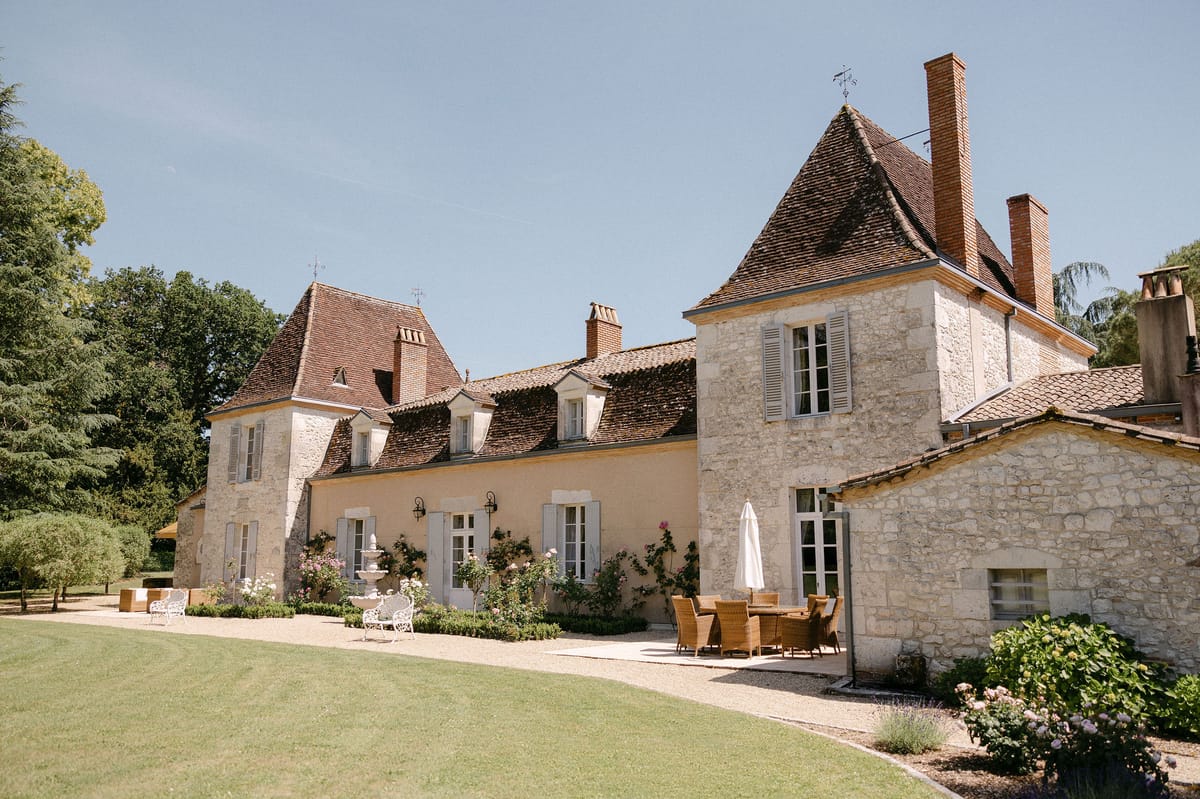
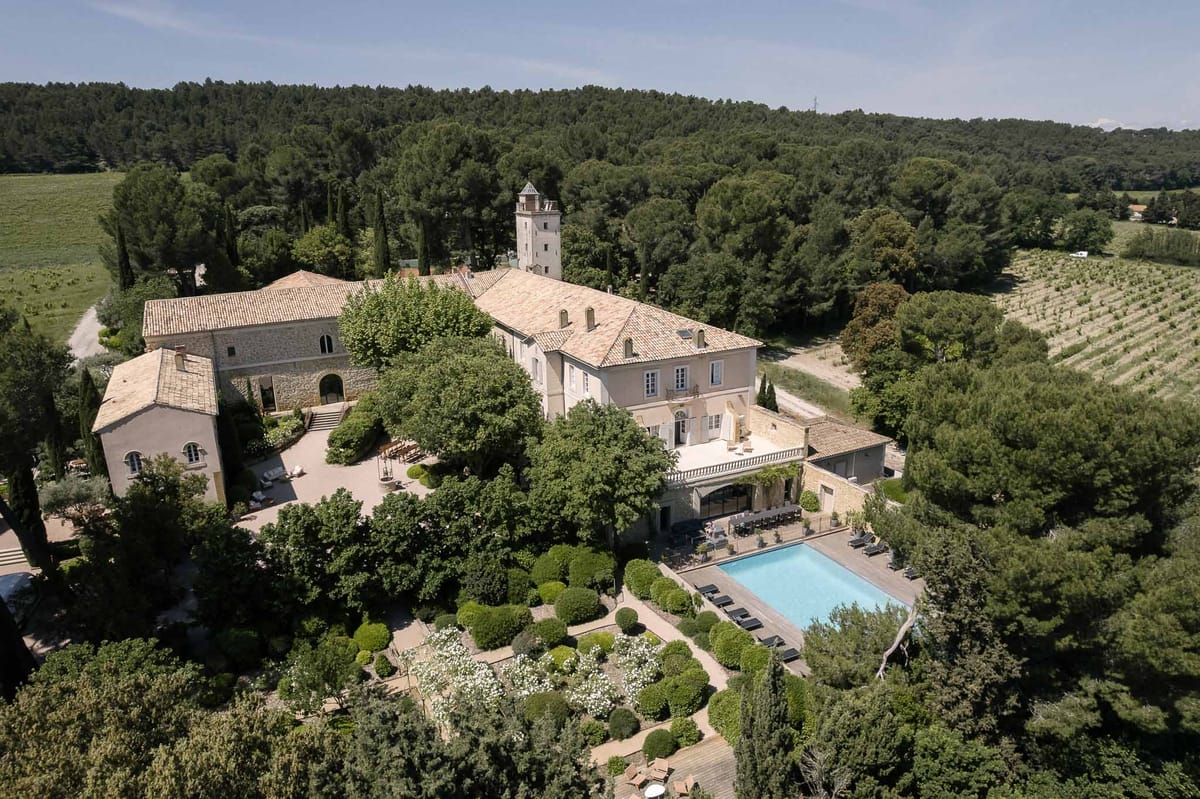
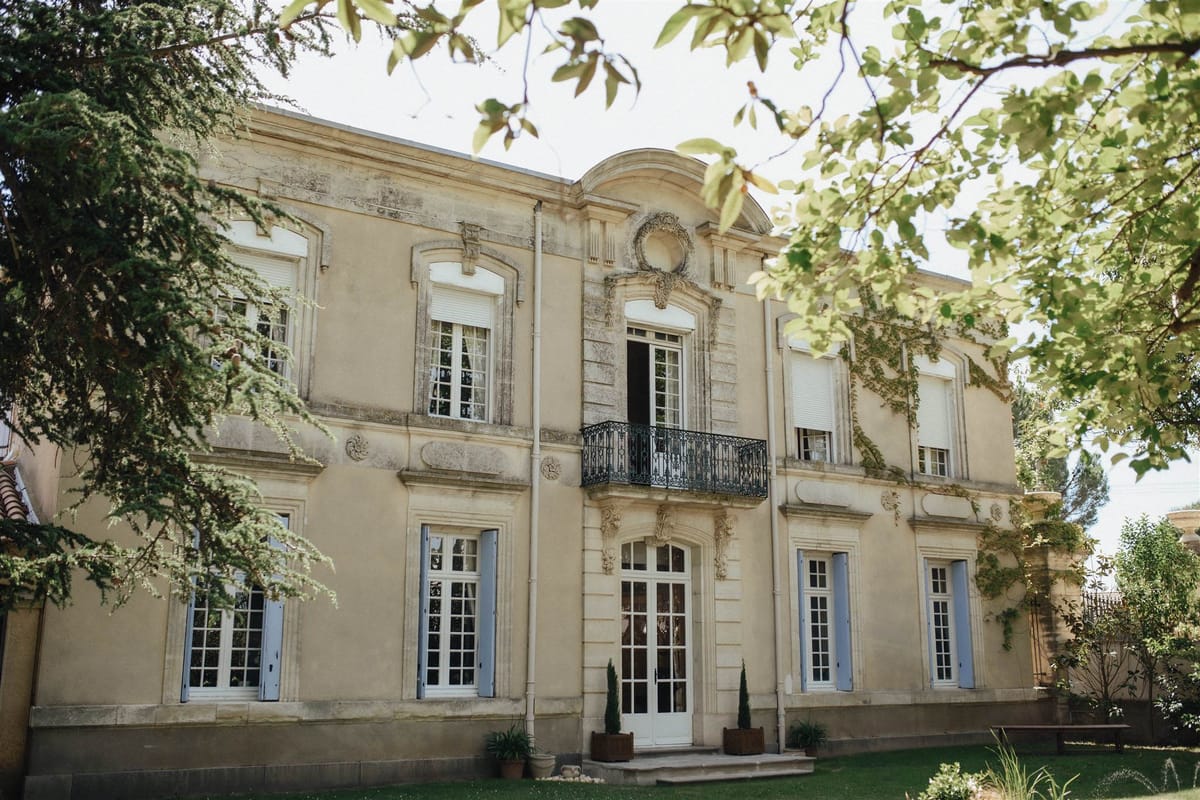
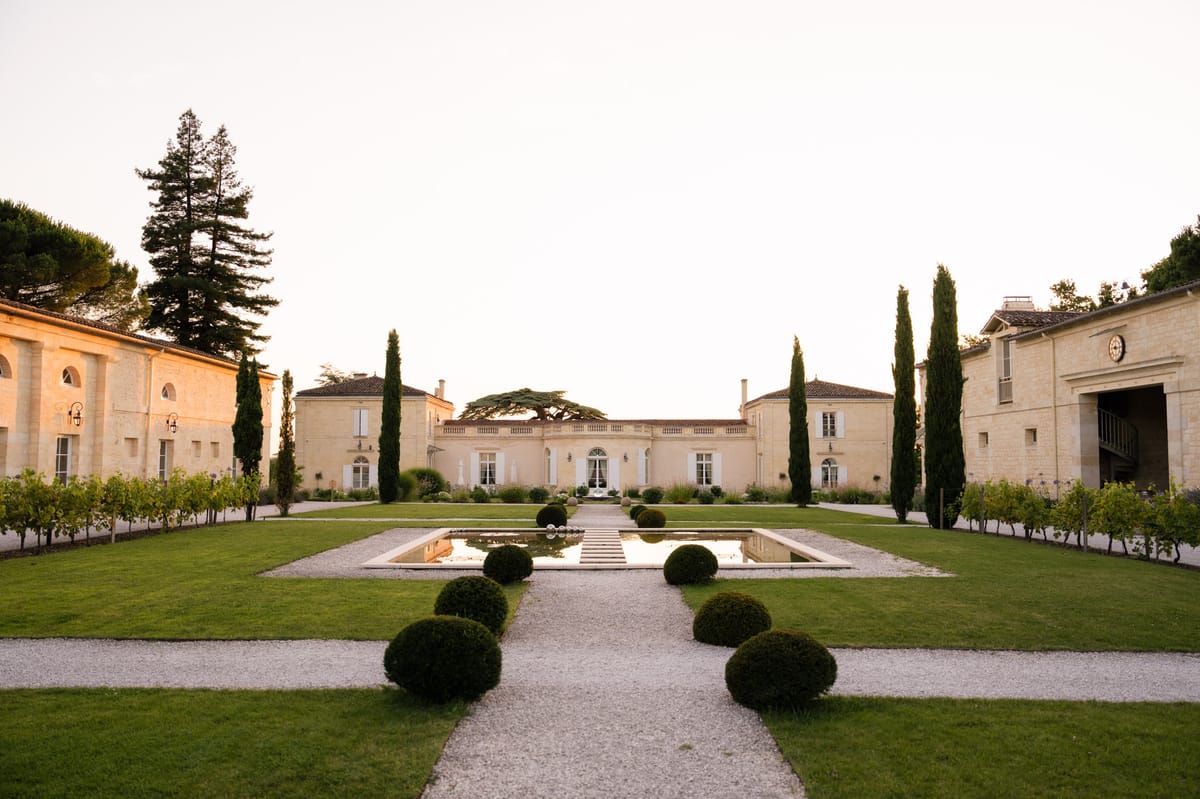
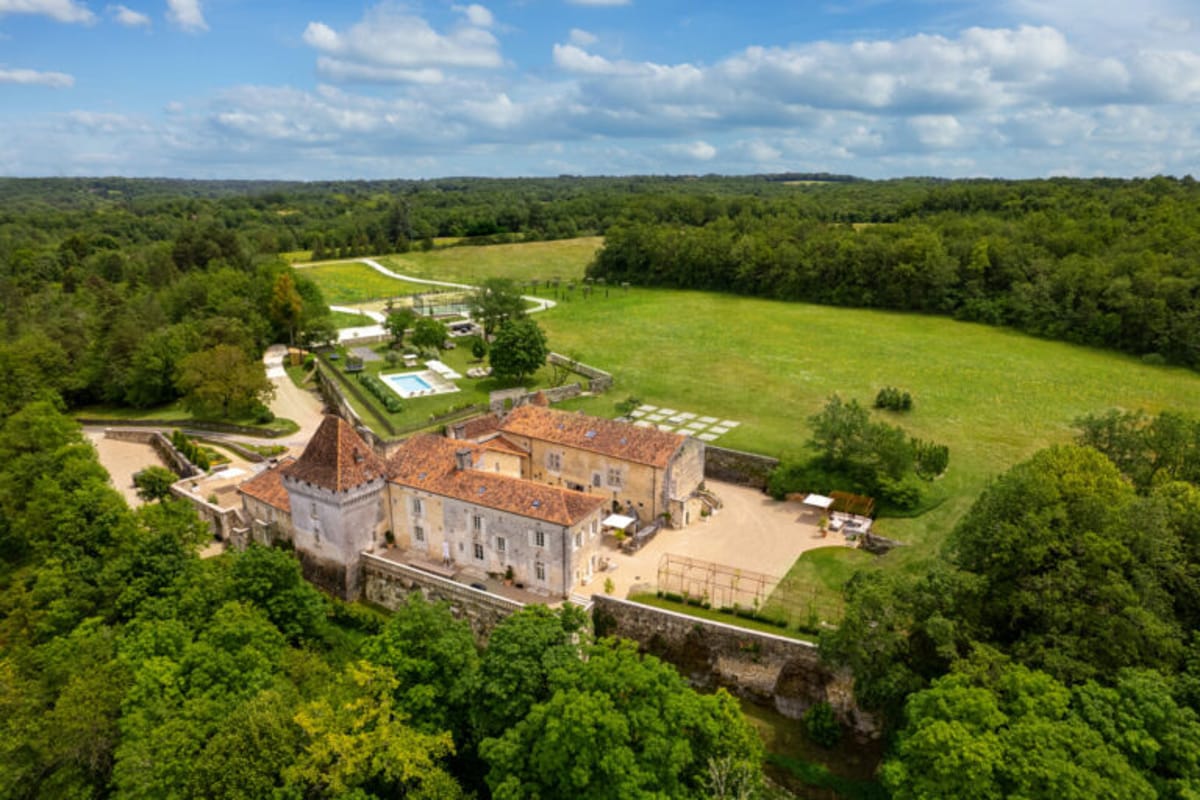
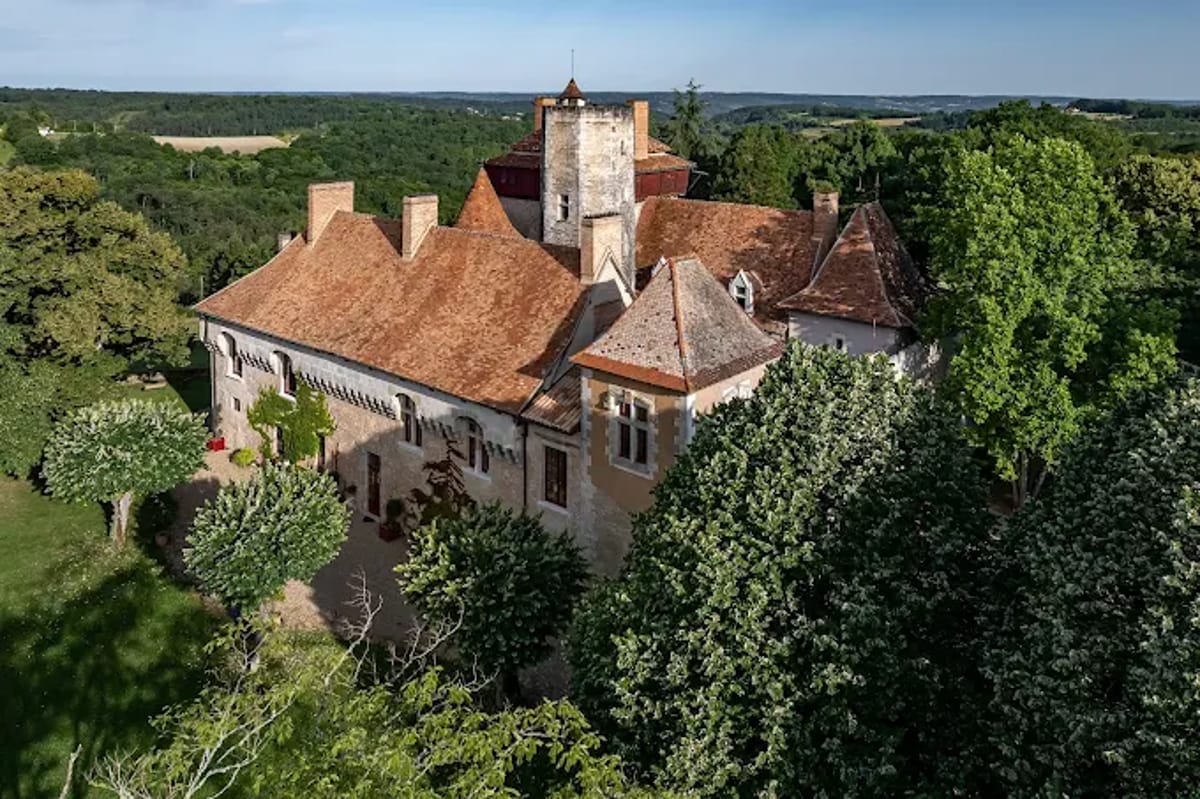
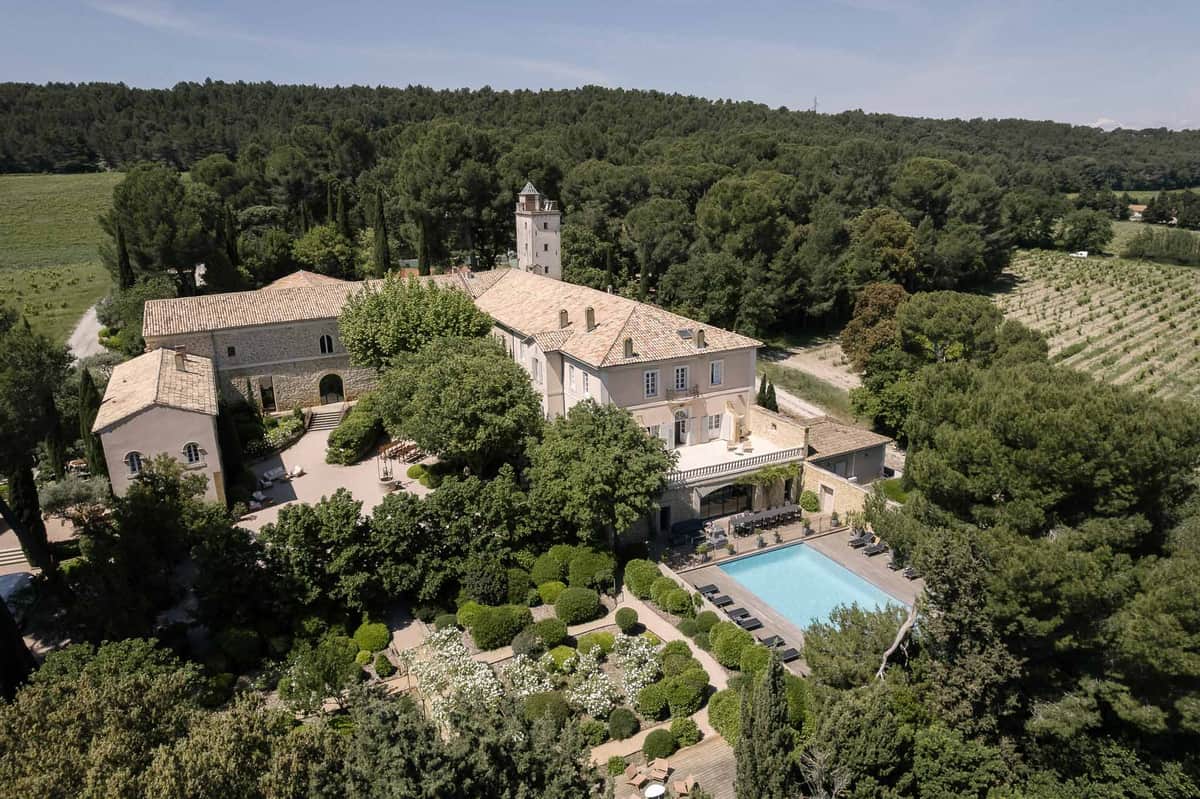
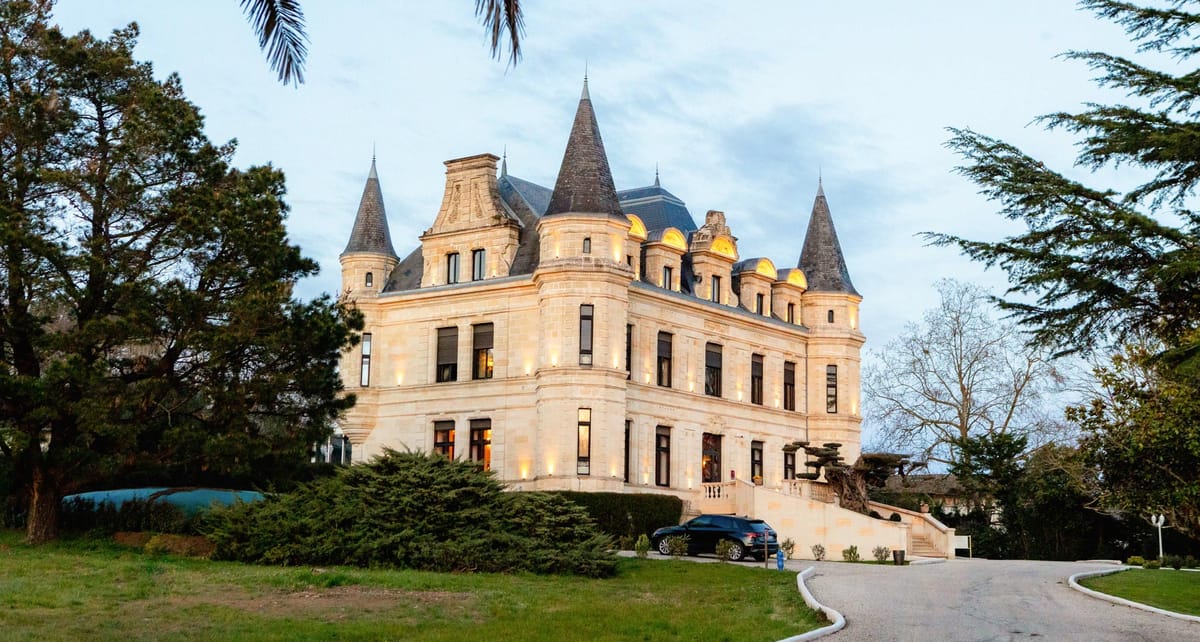
Château Camiac in Nouvelle-Aquitaine sits within easy reach of Bordeaux wine country, thirty kilometres from the city centre in the Entre-Deux-Mers sub-region. Twenty restored period bedrooms sleep up to 49 guests on-site, with seated capacity to 200 across the estate's formal reception spaces. The on-site footprint suits multi-generational guest lists where the wedding party and extended family stay together for the full weekend. Catering runs in-house at €10,800 weekend hire baseline, with the in-house brigade handling the full meal sequence from vin d'honneur through to late-night supper. Operational rhythm: Friday afternoon arrival, Saturday symbolic ceremony in the marquee or pool terrace, Sunday morning brunch on the grounds before checkout.

Why We Love It

Bordeaux-region pairing with high accommodation capacity for multi-generational guest lists.

Max Guests
200
Sleeps
49
Chapel
No
From €10,800 / venue hire

02
CHATEAU · DORDOGNE · NOUVELLE-AQUITAINE
5.0 (31 reviews)
Eymet (5 minutes), Dordogne

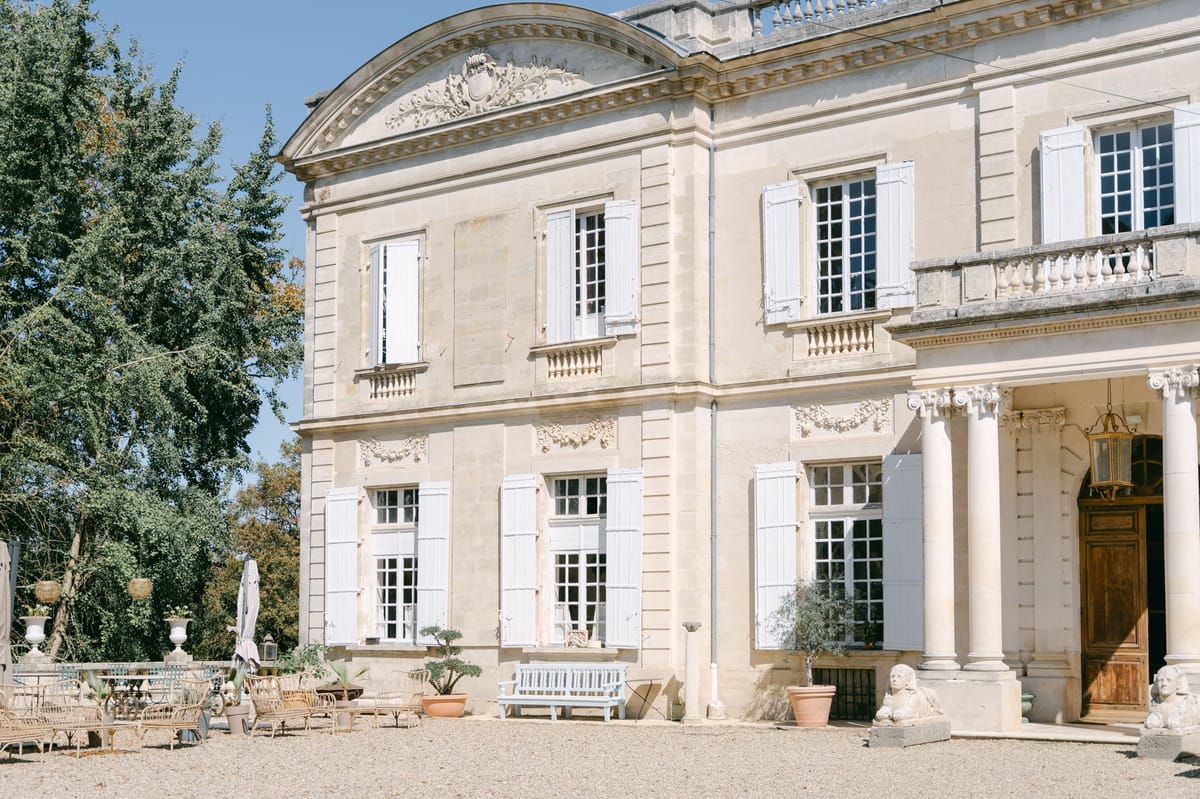
Château Lacanaud in the Dordogne wine region of Nouvelle-Aquitaine carries an open-vendor catering model with strong access to the regional Bordeaux kitchen network. The estate sleeps up to 23 on-site across restored bedrooms suited to wedding-party-only occupancy, with broader guest list at partner accommodation in nearby Eymet within a five-minute drive. Weekend hire from €12,000 covers exclusive use across the main château, the yoga studio used as wellness or rehearsal space, and the gardens. The open-vendor flexibility suits couples engaging an experienced French planner with their own caterer relationships, particularly for couples wanting to centre the menu on Périgord or Bordeaux regional cuisine outside the venue's preferred-vendor list.

Why We Love It

Bordeaux-adjacent flexibility with open-vendor catering for couples scoping their own caterer brief.

Max Guests
100
Sleeps
23
Chapel
No
From €12,000 / venue hire

03
CHATEAU · MAINE-ET-LOIRE · PAYS DE LA LOIRE
4.6 (414 reviews)
Nantes (50 minutes by car), Maine-et-Loire

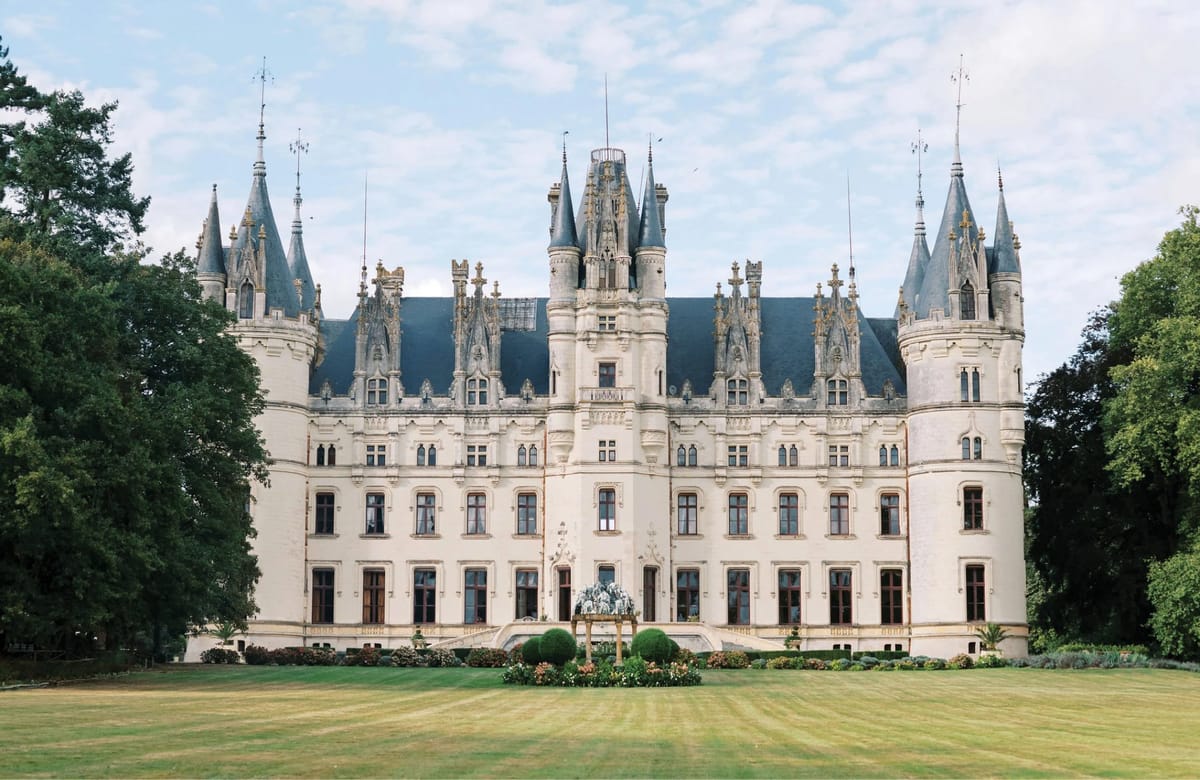
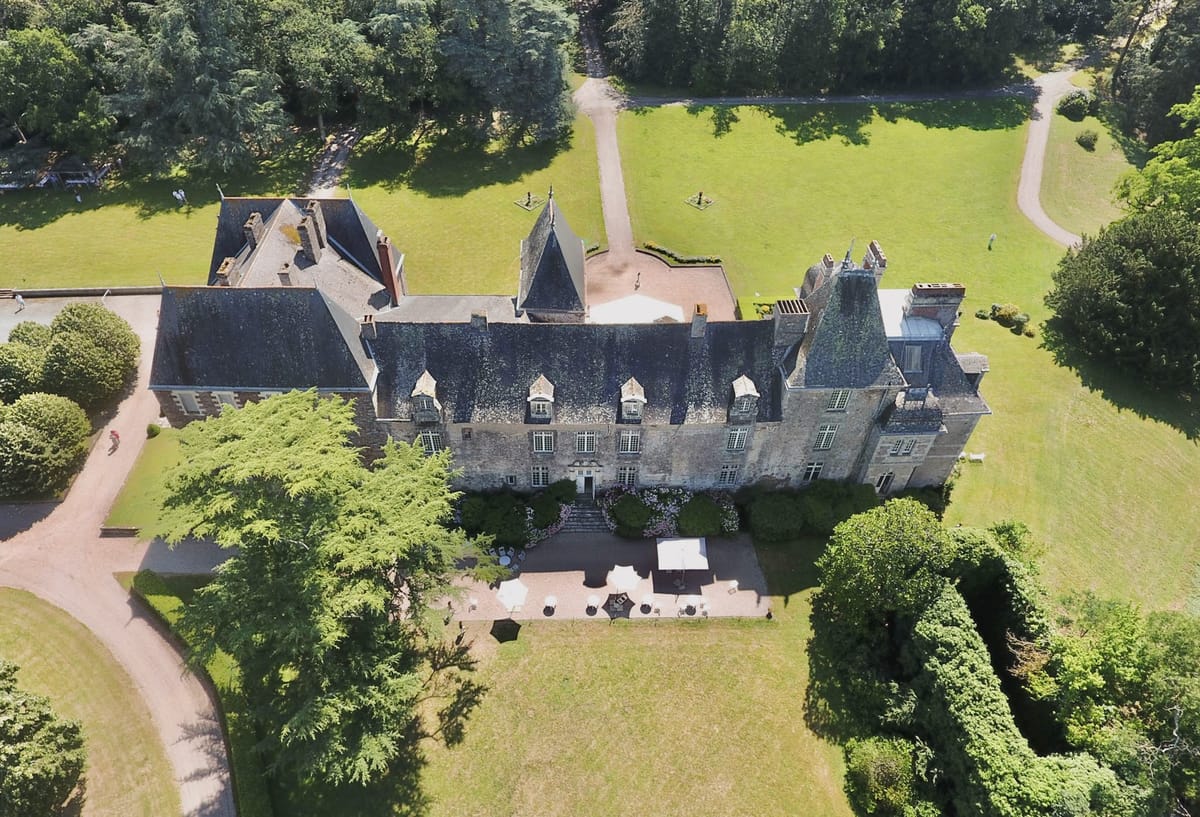
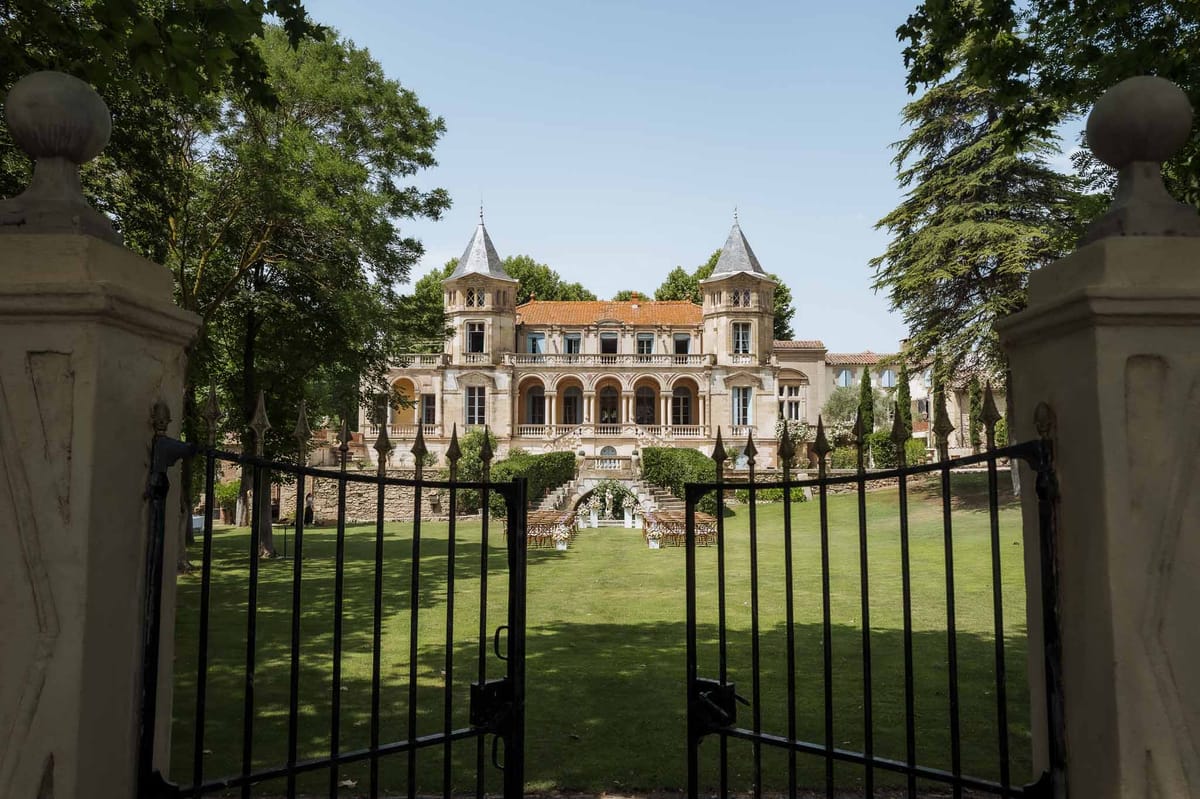
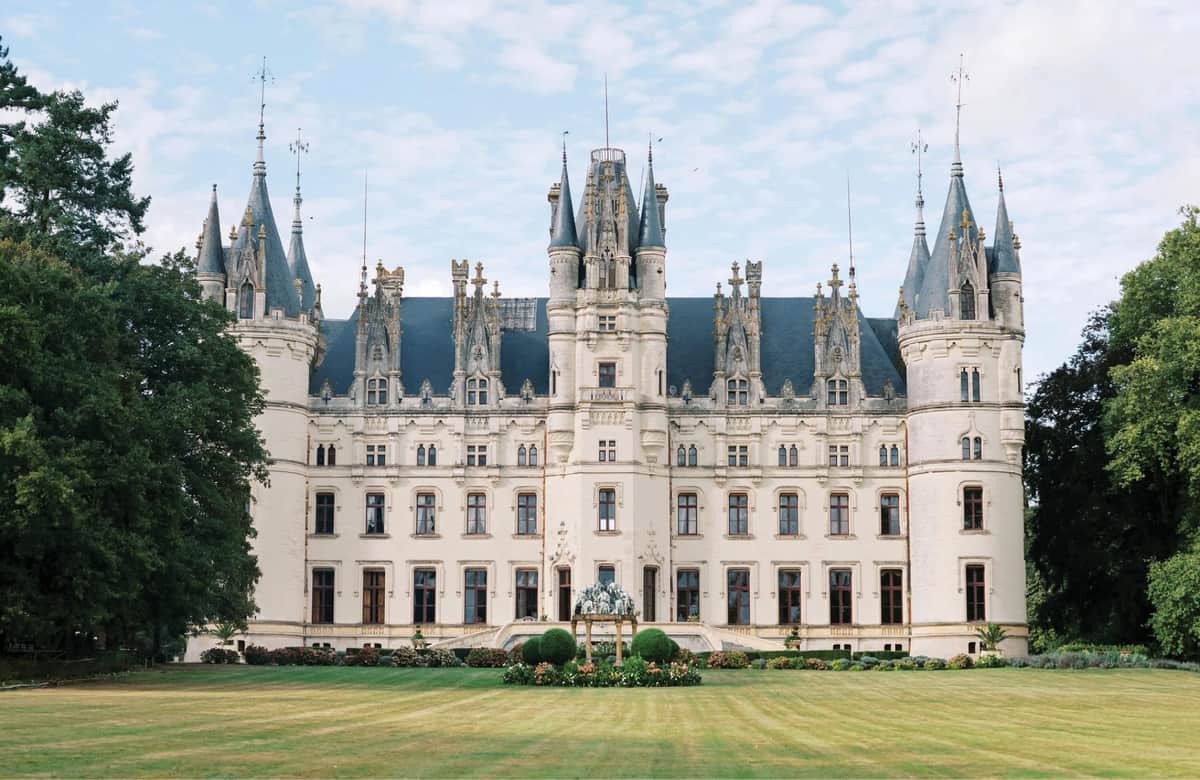
Château Challain in Pays de la Loire is the neo-Gothic turreted estate on this page, with neo-Gothic-Renaissance silhouette and a private chapel for blessings or interfaith ceremonies. Twenty-one restored period bedrooms sleep up to 50 guests on-site, with seated capacity to 150 across formal reception rooms. Weekend hire at €55,000 reflects the in-house all-inclusive format. The bundled package covers venue plus accommodation plus full catering plus rehearsal-dinner plus photography plus Sunday brunch for 30 guests, with per-head extension for larger lists. The estate sits 50 minutes by car from Nantes, with Charles de Gaulle reachable via TGV to Angers in 1h35, then a 35-minute drive. The all-inclusive operational layer simplifies international-couple coordination dramatically.

Why We Love It

Highest-architecture neo-Gothic option with one of the largest sleeping footprints on the page.

Max Guests
120
Sleeps
50
Chapel
Yes
From €55,000 / venue hire

04
CHATEAU · BOUCHES-DU-RHÔNE · PROVENCE-ALPES-CÔTE D'AZUR
4.9 (47 reviews)
Arles (10 minutes by car), Bouches-du-Rhône

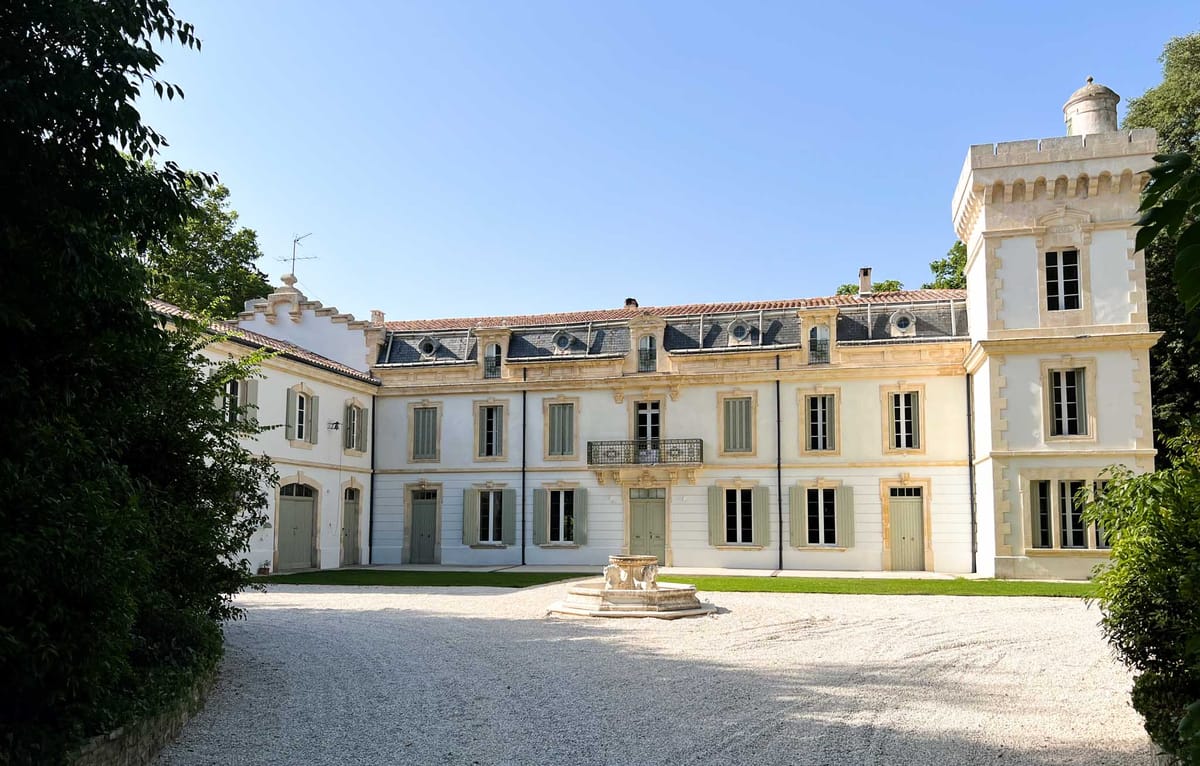
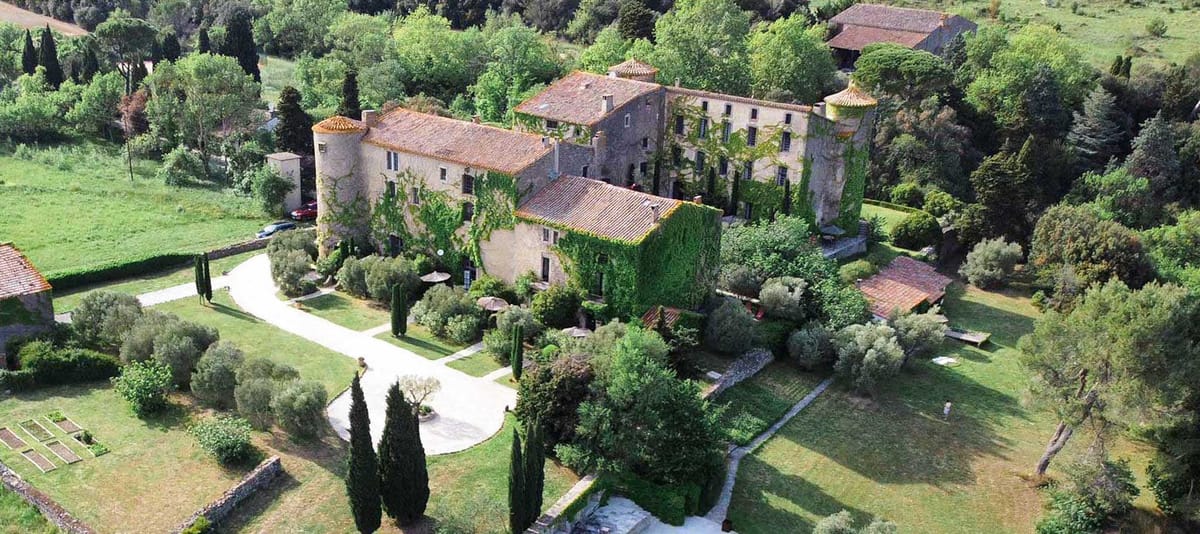
Château de Paon in the Camargue sub-region of Provence-Alpes-Côte d'Azur is a Provençal Renaissance estate with thirteen restored bedrooms sleeping up to 26 guests on-site. Seated capacity reaches 100 across vaulted reception spaces, suited to intimate guest lists prioritising the architectural style over raw headcount. The estate sits ten minutes by car from Arles, with the Grand Paon and Petit Paon reception rooms anchoring the indoor flow and the turret bar serving as cocktail-hour focal point. Weekend hire from €5,450 reflects external-caterer-only pricing, the lowest entry point on the page; couples typically engage Arles- or Avignon-region caterers for the meal sequence. Best for guest lists below 100.

Why We Love It

Provençal Renaissance heritage with intimate sleeping footprint suited to closer wedding parties.

Max Guests
120
Sleeps
26
Chapel
No
From €5,450 / venue hire

05
CHATEAU · TARN · OCCITANIE
4.7 (151 reviews)
Toulouse (45-50 minutes by car), Tarn

Château de Garrevaques in the Lauragais sub-region of Occitanie runs an external-caterer-friendly model with optional all-inclusive three-night formats. Twenty restored bedrooms host up to 15 sleeping on-site, with seated capacity to 120 across the main reception spaces, the historic salons, and the south-facing terrace. The estate sits 45-50 minutes by car from Toulouse, with multi-generational family ownership stretching across centuries. Weekend hire from €8,000 reflects the open-vendor catering pricing; couples engaging the estate's preferred catering partners typically run €130 to €200 per head for the wedding meal. The park and gardens carry the architectural style couples expect from a Lauragais heritage estate.

Why We Love It

Long-standing family-owned estate with all-inclusive operational simplicity.

Max Guests
120
Sleeps
15
Chapel
No
From €8,000 / venue hire

06
CHATEAU · VAUCLUSE · PROVENCE-ALPES-CÔTE D'AZUR
4.7 (158 reviews)
Avignon (a few minutes by car), Vaucluse

Château la Tour Vaucros in Provence-Alpes-Côte d'Azur sits within the Châteauneuf-du-Pape wine appellation, a few minutes by car from Avignon TGV. Twenty-three restored bedrooms sleep up to 49 guests on-site, with seated capacity to 300 across formal salons and the plane-tree-lined courtyard. This is the largest seated capacity on the page. The Grand Reception Room handles the formal seated dinner; the Salon d'Été serves cocktail-hour and breakaway use; the courtyard hosts outdoor ceremony with the estate's plane trees as canopy. Weekend hire from €18,000 covers exclusive use; external caterers handle the meal sequence, with Châteauneuf-du-Pape reds the natural pairing direct from the appellation. Best for guest lists 200-300.

Why We Love It

Direct Châteauneuf-du-Pape terroir; the largest seated capacity on the page.

Max Guests
250
Sleeps
49
Chapel
No
From €18,000 / venue hire

07
CHATEAU · AUDE · OCCITANIE
4.3 (204 reviews)
Narbonne (14 km (15 minutes by car)), Aude

Château du Puits es Pratx in the Pays Cathar sub-region of Occitanie runs an all-inclusive three-night format with in-house catering bundled into a single weekend price. The estate sleeps up to 50 across the main house and gîtes, with seated capacity to 150. The estate sits 14 kilometres from Narbonne, with reach via Carcassonne or Toulouse-Blagnac for the broader guest list. Weekend hire from €8,000 reflects the all-inclusive baseline before per-head catering and accommodation extension. The estate carries on-site vineyard ceremony space, an inner courtyard for cocktail hour, and a wine barn converted into the main reception room. The all-inclusive style is the most operationally simple format on the page for couples without a dedicated wedding planner.

Why We Love It

Most operationally simple all-inclusive on the page, strong value in the southwest.

Max Guests
150
Sleeps
50
Chapel
No
From €8,000 / venue hire

08
CHATEAU · GIRONDE · NOUVELLE-AQUITAINE
4.8 (338 reviews)
Bordeaux (5 minutes by car), Gironde

Château Gassies in Nouvelle-Aquitaine carries working wine production with appellation bottles available for the wedding table. The estate sleeps up to 43 on-site, with seated capacity to 150 across the formal salon and the Caleche Courtyard and Orangerie Courtyard parterres. The estate sits five minutes by car from Bordeaux, with the oak grove clearing offering an outdoor ceremony space directly within the working vineyard. Weekend hire at €23,000 sits at the upper end for Nouvelle-Aquitaine; couples engage caterers from the recommended-vendor list with the estate's wine on the table. The working-wine-estate angle is the strongest editorial differentiator on this page for couples wanting the cellar to feature in the dinner experience and the vineyard to feature in the photography.

Why We Love It

Working wine estate with appellation-bottle pairing direct from the cellar.

Max Guests
150
Sleeps
43
Chapel
No
From €23,000 / venue hire

09
PRIORY · BOUCHES-DU-RHÔNE · PROVENCE-ALPES-CÔTE D'AZUR
4.8 (119 reviews)
Aix-en-Provence (20 minutes by car), Bouches-du-Rhône

Prieuré Notre Dame de Conil is a 12th-century former Cistercian priory in Provence-Alpes-Côte d'Azur, twenty minutes by car from Aix-en-Provence. Seven restored bedrooms sleep up to eighteen guests on-site, with seated capacity to 120 across the Cour Intérieure, the consecrated chapel, and a 200-square-metre Tente Nomade as wet-weather backup. The chapel suits Catholic, Anglican, or interfaith blessings, with the parc serving outdoor ceremony and cocktail-hour use. Wedding-party guests sleep on-site; the broader guest list books partner accommodation in nearby Aix-en-Provence. The estate's medieval-Cistercian heritage is the strongest editorial differentiator on this page for couples whose vision centres on architectural history and contemplative ceremony style.

Why We Love It

Genuine medieval Cistercian heritage, Aix-en-Provence proximity, ideal for blessings or interfaith ceremonies.

Max Guests
150
Sleeps
18
Chapel
Yes
From €8,500 / venue hire

10
CHATEAU · LOIRE-ATLANTIQUE · PAYS DE LA LOIRE
4.8 (155 reviews)
Redon (nearby), Loire-Atlantique

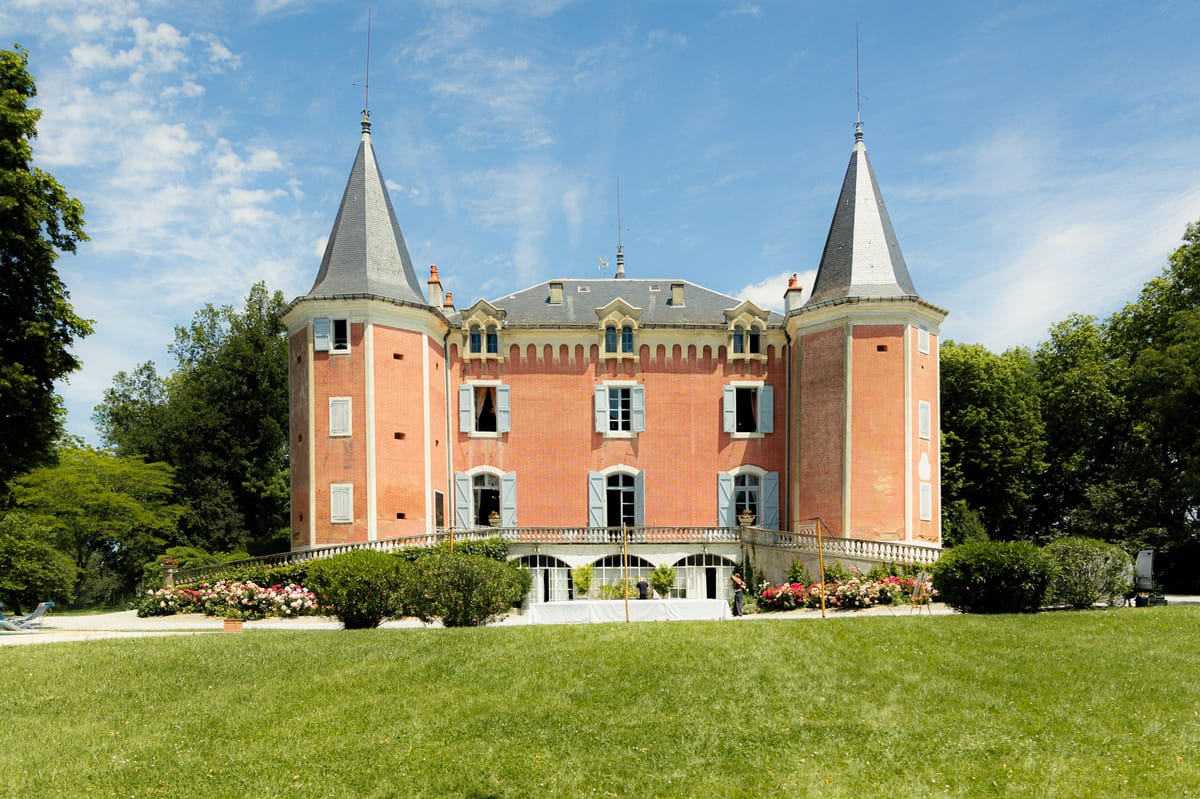
Château du Pordor in Pays de la Loire is an estate with a private chapel and eight restored bedrooms sleeping up to 30 on-site. Seated capacity reaches 120 across the main banquet hall, the Salon Rouge, and the Salon Privé, with regional Atlantic-coast catering on the preferred-vendor list. Weekend hire from €8,000 reflects the recommended-vendor catering model, with the estate's planning team brokering between 3-6 caterer quotes for the wedding meal. The estate sits near Redon in the western Loire region, with reach to the Atlantic coast for a destination wedding that combines neo-Gothic architectural style with maritime catering character. The private chapel suits Catholic, Anglican, or interfaith blessings without leaving the estate.

Why We Love It

Private-chapel option with regional catering character; suited to mid-size guest lists.

Max Guests
130
Sleeps
30
Chapel
Yes
From €8,000 / venue hire

Why France leads the European château wedding category

International couples scanning Europe for a château wedding consistently land on France. Three structural reasons drive that pattern: density of privately owned historic estates, maturity of the English-speaking planning ecosystem, and ease of multi-source guest arrival. Italy carries a strong villa tradition (the Tuscan farmhouse plus chapel pattern) but villas seat fewer guests, run smaller bedroom counts, and tend toward agricultural rather than formal-court palaces. Spain's finca tradition leans even more agricultural; the architectural style is country house, not château. The UK has stately homes but most are National Trust or corporate-events estates with stricter wedding terms.

The density argument is the most concrete. France carries thousands of privately owned châteaux, of which several hundred operate as wedding venues, of which we feature over 190 on French Wedding Style for editorial coverage, of which 10 sit on this curated shortlist. The 1789 Revolution-era property settlements left a long tail of grand estates that survived the 20th century intact and now rent for events; comparable density of privately owned historic estates does not exist in any other Western European country. Spanish and Italian historic-property styles run smaller, and what does exist is more often hotel-converted, agriculturally-tied, or held by foundations with restrictive event-use terms.

France's wedding-services ecosystem has matured around international destination clients across 15+ years. The 10 properties on this page each operate with an English-speaking planning contact who works with couples arriving from the United Kingdom, the United States, Australia, Canada, and Ireland. Château ownership is rarely the planning point of contact directly; on-site coordinators or external planners handle the brief. Catering, florals, music, photography, and transport vendor networks are similarly internationalised. By contrast, Italy, Spain, and Portugal still rely on home-country bilingual planners for most international weddings. For deeper context on planning a destination wedding in France, see our destination wedding pillar.

The third structural advantage is travel. Paris Charles de Gaulle carries direct daily flights from every major UK city, every major US east-coast hub, every Australian capital, and Toronto. TGV connections from Paris reach Bordeaux in 2h05, Avignon in 2h40, Aix-en-Provence in 3h00, and Angers (the Loire) in 1h35. Italy and Spain require either domestic flights or longer rail-plus-drive transfers from Rome, Milan, Madrid, or Barcelona to reach equivalent estate destinations. For a multi-source guest list (UK couple plus US east-coast plus Australian family plus continental European friends), the routing simplification of France-via-Paris materially reduces travel friction.

Capacity, bedrooms, and accommodation overflow

Across the 10 properties, seated capacity spans 60 to 300 guests, with most estates comfortable in the 100 to 200 sweet spot. On-site bedrooms range from 8 to 50, with the wedding party typically having full property occupancy across the weekend. Larger guest lists work via partner accommodation in nearby villages, which the venue planning team or a regional planner coordinates.

Three accommodation patterns appear across the page. Château Challain and Château la Tour Vaucros sit at the larger end (49 to 50 sleeping on-site, 150 to 300 seated). Mid-capacity estates like Château Camiac and Château Gassies sleep 43 to 49 with 150 to 200 seated. Smaller properties like Château de Paon and Prieuré Notre Dame de Conil sleep 18 to 26 with 100 to 120 seated, suiting tighter guest lists.

The on-site versus overflow ratio is the single most-asked planning question on these properties. Wedding parties (parents, siblings, the bridal party, closest friends) sleep on-site; the rest of the guest list typically books partner hotels or village gîtes within a 5-to-15-minute drive of the estate. Château de Paon with 50 bedrooms sleeps 110 guests when room-shared, often enough to host an entire 100-guest wedding on-site. Château Camiac with 12 bedrooms typically hosts the wedding party of 24 on-site and routes the remaining 80 to 120 guests to Bordeaux-region partner hotels with shuttle service.

Confirm two numbers in writing before deposit: the maximum seated dinner capacity (with dancing space included) and the wet-weather seated capacity (the indoor backup with no outdoor floor). The wet-weather number is operationally binding; the outdoor maximum is marketing. If wet-weather is 120 and your guest list is 150, you do not have the venue you think you have. Also confirm whether the bedroom rate is included in the weekend hire price or charged separately, and whether all bedrooms must be occupied (some properties insist on full bedroom take-up to justify the weekend block; others price flexibly).

Bedroom configuration matters as much as count. Most properties on this page mix double-occupancy primary suites for couples with single rooms or twin rooms for parents and unmarried friends. Château la Tour Vaucros with 23 restored bedrooms sleeping up to 49 spans the largest on-site footprint on the page; Château Challain with 21 bedrooms sleeping 50 sits at the same scale. Smaller estates like Château de Paon with 13 bedrooms (sleeping 26) are best suited to closer wedding parties with broader guest list at partner hotels. Walk the bedroom inventory in person before committing. The marketing photo of one principal suite rarely tells the whole bedroom story across a 7-to-23-bedroom estate, and bedroom variability is one of the most-undervalued operational details when comparing two otherwise-similar properties on paper.

Catering models in-house, preferred-list, and open vendor

French châteaux structure catering in three patterns. Hotel-tier estates run in-house catering with their own kitchen brigades; couples cannot bring an outside chef. Mid-band estates run preferred-vendor lists, where 3 to 6 caterers have worked the property repeatedly and the planning team brokers the final pairing based on cuisine preferences and budget. Open-vendor estates allow any licensed caterer; couples engage their own from regional cities (Bordeaux, Marseille, Aix-en-Provence, Nantes).

The catering model shifts food and beverage spend by 15 to 25 percent across otherwise identical-looking weekends. In-house catering bundles into a single per-head price the venue controls; preferred-vendor lists let couples negotiate against 3 to 6 quotes; open-vendor allows the broadest cost compression but loads the planning bandwidth onto the couple or their planner. Hotel-tier estates with in-house brigades typically run €180 to €280 per head for the wedding meal; preferred-list estates run €130 to €220; open-vendor run €100 to €200 depending on caterer choice. Wine and beverage pricing follows similar tier logic.

Château du Puits es Pratx in Occitanie ships an all-inclusive three-night format with in-house catering bundled into a single weekend price. Château Challain runs the same model in Pays de la Loire. Château Camiac and Château Lacanaud in Nouvelle-Aquitaine typically work to a preferred-vendor list, with Bordeaux-region catering on rotation and access to estate wine production for in-cellar wine pairings. Confirm catering model in writing before deposit. Full guidance lives in our wedding catering and cuisine guide.

Estate wine production matters at multiple properties on this page. Château Camiac and Château Lacanaud sit within Nouvelle-Aquitaine appellation country with access to estate-bottled wines from neighbouring producers; Château Gassies produces its own appellation wines on-site, so cellar bottles can appear directly on the wedding table. Château la Tour Vaucros sits within the Châteauneuf-du-Pape appellation; Rhône Valley reds are the natural pairing. The wine-on-the-table angle is one of the strongest editorial differentiators for an international destination wedding versus an at-home celebration where wine tends to be commodity-priced.

Travel logistics and guest arrival

Most estates on this page are reachable from Paris Charles de Gaulle within 3 hours via TGV plus a 30-to-60-minute drive. Pays de la Loire properties (Château Challain, Château du Pordor) sit closest. Nouvelle-Aquitaine properties (Camiac, Lacanaud, Gassies) reach via Bordeaux Saint-Jean TGV in around 2 hours from Paris plus a 30-to-45-minute drive. Provence-Alpes-Côte d'Azur estates connect via Avignon TGV (around 2h40 from Paris) or Aix-en-Provence TGV (around 3 hours).

International guests typically route via Charles de Gaulle for the Pays de la Loire, Bordeaux, and Provence properties. Marseille Provence Airport serves Provence directly for shorter European arrivals; Nice Côte d'Azur serves the eastern coast. Bordeaux Mérignac serves the southwestern estates for direct UK and Ireland arrivals. Château du Puits es Pratx in Occitanie reaches via Carcassonne or Toulouse-Blagnac. Practical guidance: name the closest TGV station and the closest airport on the invitation card; quote driving time in minutes, not kilometres.

The arrival logistics scale to the guest list shape. A multi-source international guest list (UK couple plus US east-coast plus Australian family plus continental European friends) routes most efficiently via Charles de Gaulle and a single TGV connection. A primarily UK guest list can route via regional French airports on direct UK budget-airline flights at meaningful cost savings versus Charles de Gaulle. A primarily continental-European guest list opens up regional rail and short-flight options that bypass Paris entirely.

Shuttle service from arrival hub to estate is a planning question, not a venue question. Most properties on this page do not run their own shuttles; they coordinate with regional transport providers as needed. Budget €600 to €1,200 per coach for round-trip shuttle service from the closest TGV station to the estate, typically with one outbound trip Friday and one return trip Sunday. For a 100-guest wedding requiring a 50-seat coach plus overflow private cars, expect a transport line of €1,500 to €2,500 across the weekend. Some couples skip shuttles entirely and route guests via private cars or Uber equivalents (which work well in metropolitan areas like Bordeaux, Marseille, and Aix-en-Provence, less well in rural areas where private-car coordination is the operational norm).

Legal pathway for international couples

Civil marriage in France must take place at a town hall (mairie) and at least one partner must have been resident in that commune for 30 continuous days. Almost every international couple handles the legal marriage at home and holds a symbolic, blessing, or religious ceremony at the château. The blessing or symbolic ceremony carries the full editorial weight of the day; the legal step is administrative rather than ceremonial.

Three properties on the page carry consecrated chapels suitable for Catholic, Anglican, or interfaith blessings: Château Challain, Château du Pordor, and Prieuré Notre Dame de Conil (a former 12th-century Cistercian priory). Catholic sacramental marriages with full canonical validity require the parish priest's involvement and are usually held in the local village church before the château reception. Full process detail in our legal pathway guide.

The symbolic ceremony at the château can take any shape the couple chooses. A bilingual or English-only celebrant (the wedding-services ecosystem has dozens of these) leads a 30-to-45-minute service in the gardens, courtyard, or chapel. The structure typically includes a processional, readings (often delivered by parents or close friends), the exchange of vows and rings, an officiant address, and a recessional. No civil registry, no signatures of legal weight, no commune residency requirements; just a ceremony that holds the editorial weight of the wedding day. Couples returning home with the legal marriage already complete typically describe the symbolic ceremony as the meaningful one.

The 30-day commune residency requirement is the binding legal constraint that drives almost every international couple to the symbolic-only pathway. A handful of couples do attempt full French civil marriage by spending 30 nights in the commune ahead of the wedding date. This requires the commune to confirm residency in writing. It often demands proof of long-term tenancy or property ownership. It adds significant administrative friction across several months of preparation. The cost-benefit math almost always favours the home-country legal marriage plus French symbolic ceremony pattern, regardless of nationality. British, American, Australian, Canadian, and Irish couples typically marry at home up to a few months ahead of the French celebration. The symbolic ceremony then carries the cultural weight of what guests perceive as the wedding day.

Booking windows and seasonal cadence

Peak dates (May, June, September) book 12 to 18 months ahead; the most in-demand estates release dates 24 months out and close within weeks. Shoulder seasons (April, October) typically need 6 to 9 months. Off-peak (November to March) sometimes opens 3 to 6 months out with rate savings of 30 to 50 percent versus summer; estates with working fireplaces (Loire and Bordeaux region in particular) run candlelit indoor receptions through winter.

Regional seasonal cadence varies. Provence dries out from May through October but carries mistral wind risk through July and August. Bordeaux picks up through harvest in September and runs warm into early October. Loire peaks in late spring and early autumn. The Occitanie southwest stays reliable from late April to early November. Always confirm the wet-weather seated capacity (the indoor backup, not the outdoor maximum) before signing. Reliable outdoor weather across France's wedding-season window has shifted in recent summers, with hotter July and August temperatures pushing some couples earlier to May or later to September.

Peak-season pricing premium runs 20 to 30 percent above shoulder rates and 40 to 60 percent above off-peak rates. The economics are particularly compelling for couples flexible on date. An October Saturday at Château Camiac or Château de Garrevaques can deliver the full Bordeaux-region or southwestern terroir at materially lower venue-hire cost than the same property in June or September. Off-peak weddings (November through March) carry their own editorial style. Expect candlelit indoor receptions, fewer floral options at peak season's price levels, and the practical constraint that some properties close for staff turnaround between New Year and early March.

Booking window tightness is a function of guest-list size and date specificity, not just region. A 80-guest wedding for any non-peak Saturday across the year typically finds availability within 6 to 9 months of booking. A 200-guest wedding in late June or early September demands 18 to 24 months lead time on the more-in-demand estates. For couples scoping the page now (April 2026), realistic 2026 wedding-date bookings on these estates are limited to off-peak winter or last-minute availability; 2027 and 2028 are the practical planning horizons for May-to-September weddings on this shortlist.

Wet-weather backup and outdoor ceremony contingency

The single most-asked planning question on a French château wedding is the Plan B. Outdoor ceremony scheduling depends on light, wind, and temperature, and across France's wedding-season window only the high-summer Mediterranean coast carries a near-zero rain-or-extreme-weather risk on any given Saturday. Every outdoor ceremony booking on this page should be backed by a confirmed indoor or covered alternative that the couple has walked through in person at the same time of day they intend to marry.

Three Plan B patterns appear across the 10 estates. Walled-courtyard backup: estates like Château de Paon and Prieuré Notre Dame de Conil have enclosed stone courtyards that filter wind and provide rain shelter without losing outdoor character. Indoor formal-room backup: estates with vaulted reception rooms (Château Challain, Château du Pordor) move the ceremony inside without losing seated capacity. Marquee or tente nomade backup: estates like Prieuré Notre Dame de Conil and several Provençal properties pre-erect a 200-square-metre tented structure for the weekend that doubles as wet-weather reception and dance-floor cover.

Confirm three numbers in writing before deposit on any estate where outdoor ceremony is part of the brief. The first is the wet-weather seated capacity, meaning the indoor or covered backup with no outdoor floor. The second is the latest call-time at which the venue planning team makes the outdoor-versus-indoor decision, typically 6 to 12 hours pre-ceremony. The third is whether the marquee or tente nomade is part of the standard weekend hire or quoted separately as an add-on. The third number can shift weekend cost by €3,000 to €8,000 depending on tenting size and decoration brief. Practical guidance: if the wet-weather seated number is below your guest list, the venue does not work for an outdoor-ceremony plan, no matter how attractive the outdoor space looks on a sunny afternoon.

Expert advice

Expert Tips for This Style

Booking timeline

Book your venue at least 12-18 months ahead for peak summer dates (June-September). Saturday bookings in July and August fill first. Friday or Sunday bookings often unlock the same venue for 15-25% less.

Legal note

Civil marriages in France require 40 days of residency before the ceremony. Most international couples hold the legal ceremony at their local registry office and have a symbolic ceremony in France. This is completely valid and removes the residency requirement. Read the symbolic ceremony guide.

Lock the catering model before deposit

In-house, preferred-vendor, or open caterer: each shifts food and beverage spend by 15 to 25 percent. Confirm in writing which model the venue runs, and ask for sample menus from at least two suppliers if the model is preferred-vendor or open.

Visit at the same hour you plan to marry

Light hits each château very differently morning, afternoon, and evening. Schedule the site visit at the exact ceremony hour you have in mind (late afternoon for most outdoor weddings) so the photographs in your head match the live conditions.

Confirm the wet-weather seated capacity, not the outdoor maximum

Outdoor maximums are marketing numbers; wet-weather seated indoor capacity is the operational truth. The Plan B space is what you need to see and walk through. If the wet-weather capacity is below your guest count, you do not have the venue you think you have.

Frequently asked questions

Common Questions

Is a European château wedding really a French château wedding?
Effectively yes. France holds the densest concentration of privately owned château estates open for weddings in Europe, and the architectural style itself (the privately owned grand country house with formal court, walled parterre, and restored period bedrooms) is a French phenomenon. Italy, Spain, and Portugal carry their own villa, finca, and quinta traditions, all of which are excellent for destination weddings, but the specifically château-shaped venue is rare elsewhere. The Italian villa tradition centres on Tuscan farmhouse plus chapel patterns at smaller scale, with country-house architectural style rather than formal-court palaces. The Spanish finca tradition leans heavily agricultural. The British stately home is more institutional, with most properties held by the National Trust or run as corporate-events estates with stricter wedding terms. This page lists 10 vetted French châteaux across four regions, each carrying the formal-courtyard, walled-parterre, restored-period-bedroom architectural cluster international couples mean when they search for a European château wedding.
How much does a French château wedding cost?
Venue hire across the 10 estates ranges from €5,450 to €55,000 per weekend; most properties land between €8,000 and €23,000. Total all-in spend for 80 to 150 guests typically lands between €40,000 and €180,000, covering venue, catering, accommodation, florals, photography, music, and a planner if used. The Occitanie southwestern estates push the lower end of the all-in band, with all-inclusive three-night formats often consolidating venue plus catering plus accommodation into a single weekend price. Loire and Provence at peak season push the higher end, particularly when in-house catering brigades run €180 to €280 per head and bedroom rates are charged on top of weekend hire. Smaller estates and shoulder-season dates push budgets down further; a 100-guest weekend at a smaller Nouvelle-Aquitaine estate in October can land closer to €45,000 to €70,000 all-in. The biggest single-line item across the budget is typically catering, not venue hire.
How many guests can a French château hold?
The 10 estates on this page span 100 to 300 seated guests. Most sit in the 120 to 200 sweet spot, where bedroom inventory, reception-room footprint, and outdoor ceremony space all support the same headcount without operational compromise. Always confirm the wet-weather seated capacity (the indoor backup, not the outdoor maximum) before signing. The wet-weather number is operationally binding; the outdoor maximum is marketing. If the wet-weather capacity is 120 and your guest list is 150, the venue does not work for an outdoor-ceremony-with-rain plan no matter how attractive the outdoor space looks on a sunny afternoon. Larger guest lists work via partner accommodation in nearby villages, which the venue planning team or a regional planner coordinates. Budget €600 to €1,200 per coach for round-trip shuttle service from partner hotels to the estate.
Can foreigners legally marry at a French château?
Not directly. A French civil marriage must take place at a town hall (mairie) and at least one partner must have been resident in that commune for 30 continuous days. Almost every international couple handles the legal marriage at home and holds a symbolic, blessing, or religious ceremony at the château. The blessing or symbolic ceremony carries the full editorial weight of the wedding day; the legal step is administrative. Three properties on this page carry consecrated chapels suitable for Catholic, Anglican, or interfaith blessings: Château Challain, Château du Pordor, and Prieuré Notre Dame de Conil (a former 12th-century Cistercian priory). Catholic sacramental marriages with full canonical validity require the parish priest's involvement and are usually held in the local village church before the château reception. Bilingual or English-only celebrants lead the symbolic ceremony at the estate; the wedding-services ecosystem carries dozens of these, all working comfortably with international couples. Full process detail in our legal pathway guide.
Which French region is best for a destination château wedding?
It depends on the experience. Provence-Alpes-Côte d'Azur suits couples prioritising warm-weather garden weddings with reliable summer dryness, plus access to Châteauneuf-du-Pape wine pairings and Mediterranean catering styles. Pays de la Loire suits couples wanting turreted neo-Gothic estates with private chapels and Loire Valley turreted-architecture style. Nouvelle-Aquitaine suits couples wanting Bordeaux wine-country weddings with regional catering depth and access to Saint-Émilion appellation bottles. Occitanie suits couples wanting all-inclusive multi-day formats and southwestern terroir at lower per-head spend. The travel logistics also vary: Pays de la Loire sits closest to Charles de Gaulle via TGV, Nouvelle-Aquitaine reaches via Bordeaux Mérignac for direct UK and Ireland flights, and Provence connects via Marseille Provence or Avignon TGV. See our deeper France guide for regional comparison.
Are all-inclusive packages available?
Yes, three properties on this page run all-inclusive three-night formats: Château du Puits es Pratx, Château Challain, and Château de Garrevaques. All-inclusive bundles venue hire plus accommodation plus catering into a single weekend price, simplifying supplier coordination at higher per-head cost. Preferred-vendor models let couples negotiate against 3 to 6 caterer quotes; open-vendor allows the broadest cost compression but loads the planning bandwidth onto the couple or their planner. The all-inclusive style suits couples without a dedicated wedding planner who want operational simplicity. Couples working with an experienced French wedding planner often find preferred-vendor or open-vendor models deliver better value, since the planner's vendor network unlocks pricing not available to direct-booking couples. The right model depends on planner involvement, not just budget.
How far in advance should we book?
Peak dates (May, June, September) book 12 to 18 months ahead; the most in-demand estates release dates 24 months out and close within weeks. Shoulder seasons (April, October) typically need 6 to 9 months of lead time. Off-peak (November to March) sometimes opens 3 to 6 months out with venue-hire savings of 30 to 50 percent versus summer rates. Booking-window tightness is also a function of guest-list size. A 80-guest wedding for any non-peak Saturday across the year typically finds availability within 6 to 9 months of booking. A 200-guest wedding in late June or early September demands 18 to 24 months lead time on the more-in-demand estates. For couples scoping the page now (April 2026), realistic 2026 wedding-date bookings are limited to off-peak winter or last-minute availability; 2027 and 2028 are the practical planning horizons for May-to-September weddings on this shortlist. Send the inquiry early; date locks happen quickly on this list.
Do these châteaux handle weddings in English?
Every estate on this page operates with an English-speaking planning contact. The French wedding-services ecosystem has matured around international destination clients across 15+ years, so English-speaking coordinators are the rule rather than the exception across catering, florals, music, photography, and transport vendor networks. Note one practical detail: château ownership is rarely the planning point of contact directly. On-site coordinators or external planners handle the brief, brokering between the couple's vision and the property's operational reality. Some couples choose to engage an additional independent French wedding planner on top of the estate's in-house coordinator, particularly for guest-list logistics, vendor coordination beyond the estate's preferred-vendor list, and on-the-ground translation support during the wedding weekend itself. Confirm in writing which planning contacts will handle which scope, ideally in the initial deposit conversation. Our destination wedding pillar covers planner selection in detail.

A note on editorial sourcing

Every château on this page has been visited or vetted by our editorial team. All 10 estates publish operational data directly with FWS, including verified date availability, defined inquiry-response window, and richer media (full image galleries, virtual tours, sample weekend menus).

Ready to shortlist your French château?

Tell us your dates, guest count, and which French regions you're considering (Nouvelle-Aquitaine, Pays de la Loire, Provence-Alpes-Côte d'Azur, Occitanie), and we'll send a tailored response within two working days.

Start your enquiry

If you'd rather browse first, the 10 estates sit below, filterable by region, capacity, and accommodation needs.

More venue guides and inspiration, every fortnight.

Join 18,000+ couples planning their French wedding. No spam. Unsubscribe any time.

Methodology

The 10 properties on this page are selected from 190+ vetted venues on French Wedding Style by four criteria. The first is French château classification, meaning a privately owned historic estate, not a hotel-conversion or a banquet hall. The second is the full Friday-to-Sunday sole-use weekend hire model. The third is on-site sleeping accommodation of 8 or more guests. The fourth is an English-speaking planning contact with a defined inquiry-response window. The cards surface in our preferred regional order. Curated shortlist last reviewed April 2026.

Last reviewed April 2026.

More Venue Guides

Explore our other curated guides across France's most sought-after wedding venue categories and regions.

Browse More Venues

Explore our full collection of French wedding venues by region and style