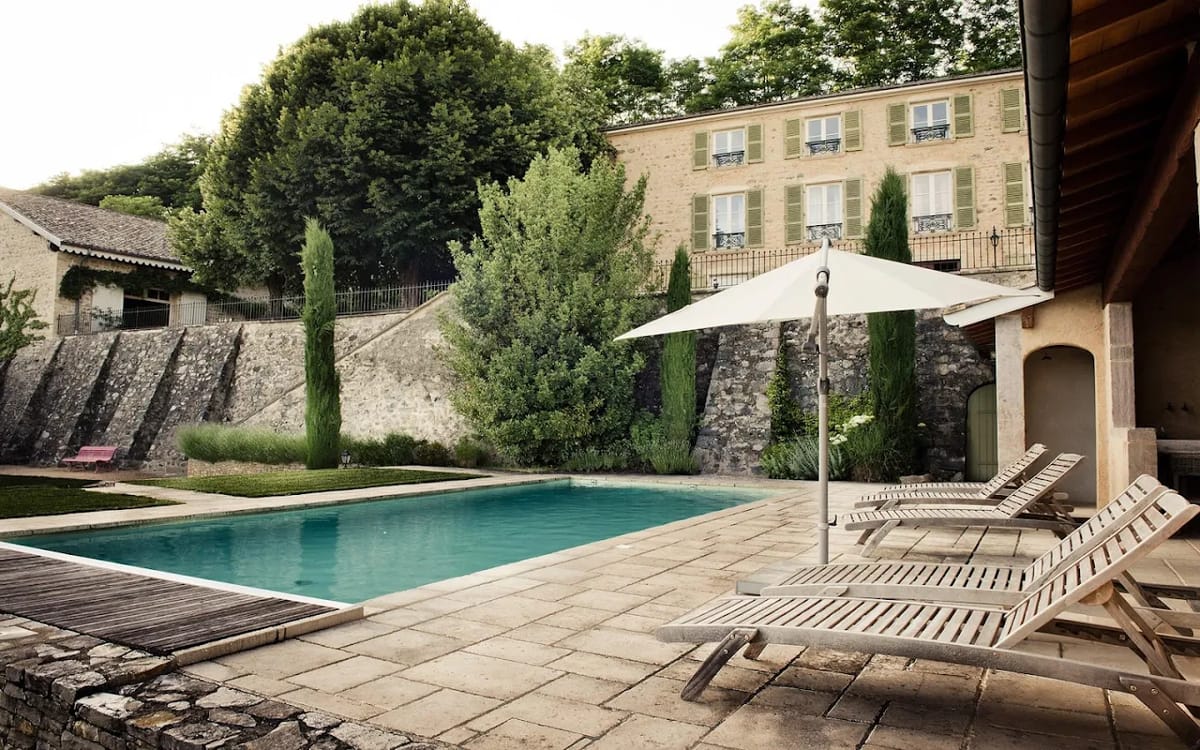
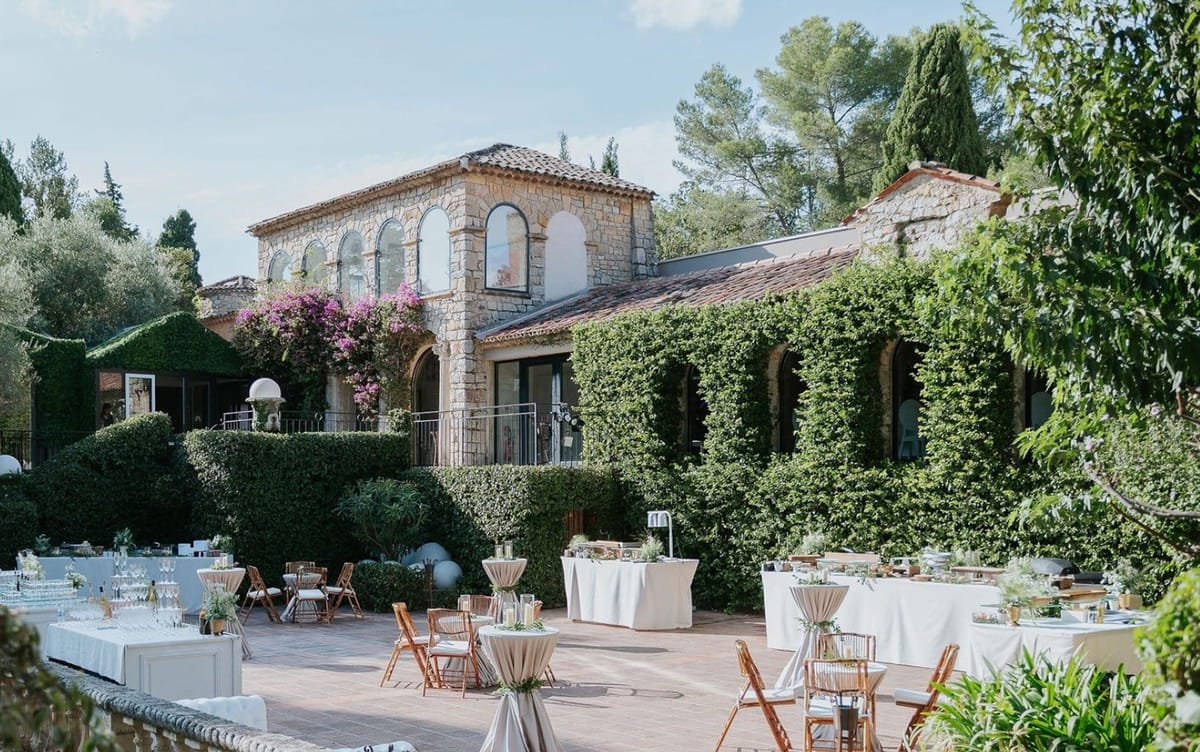
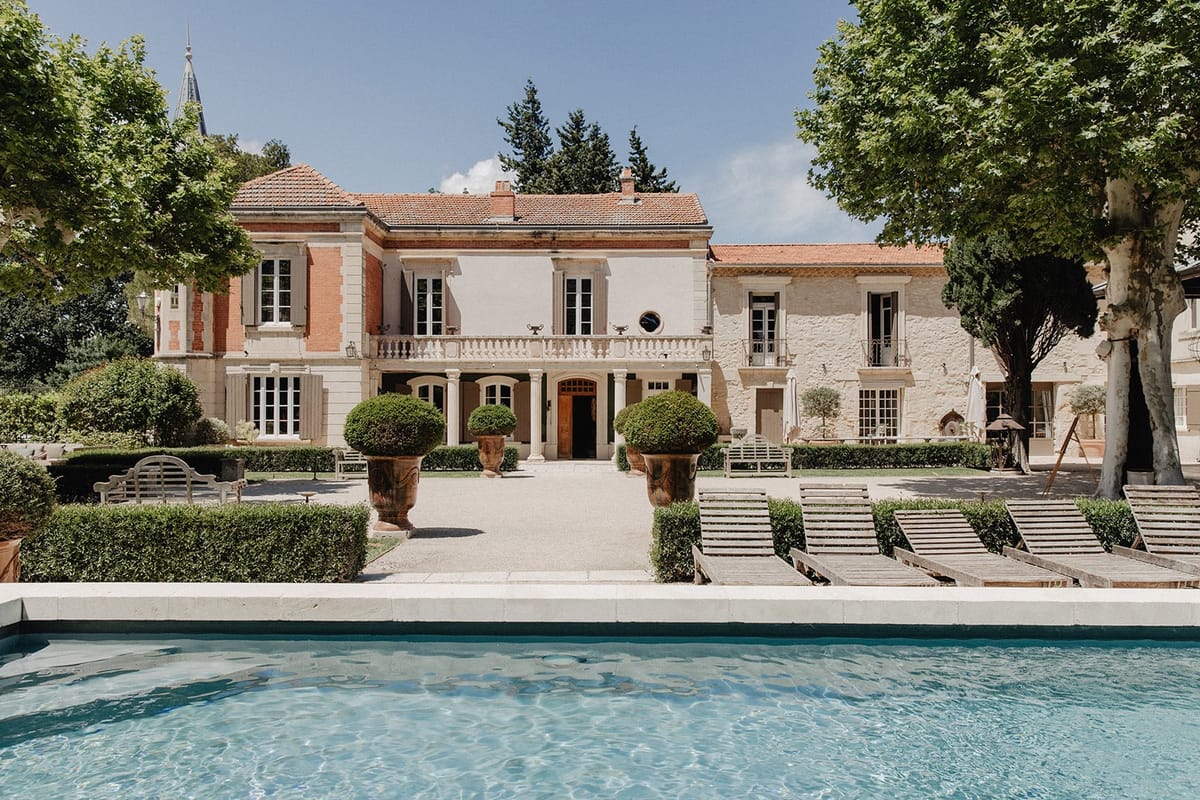
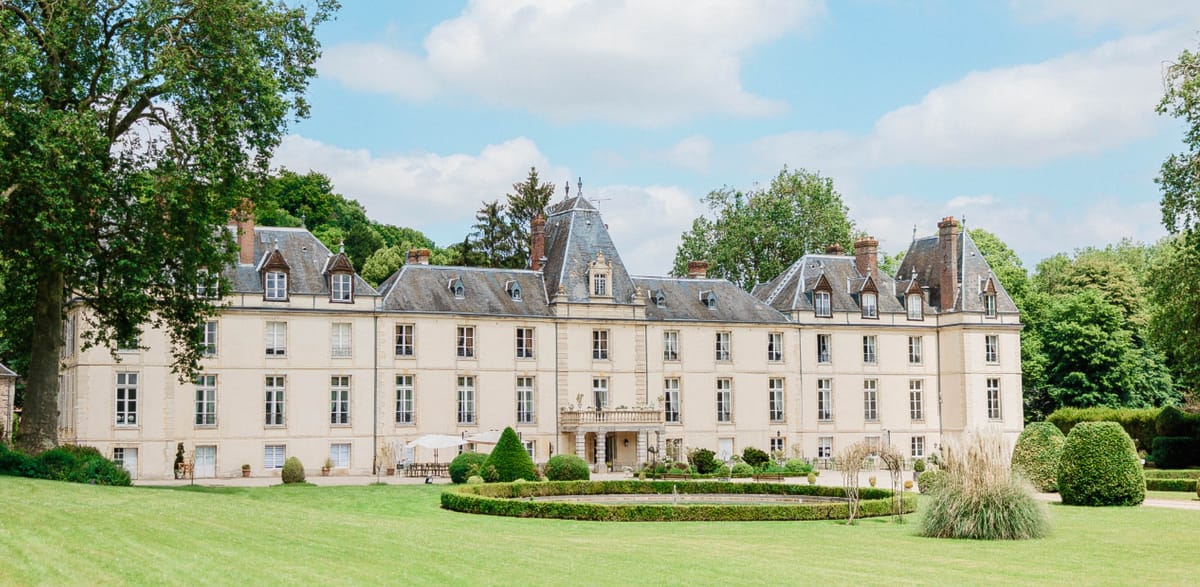
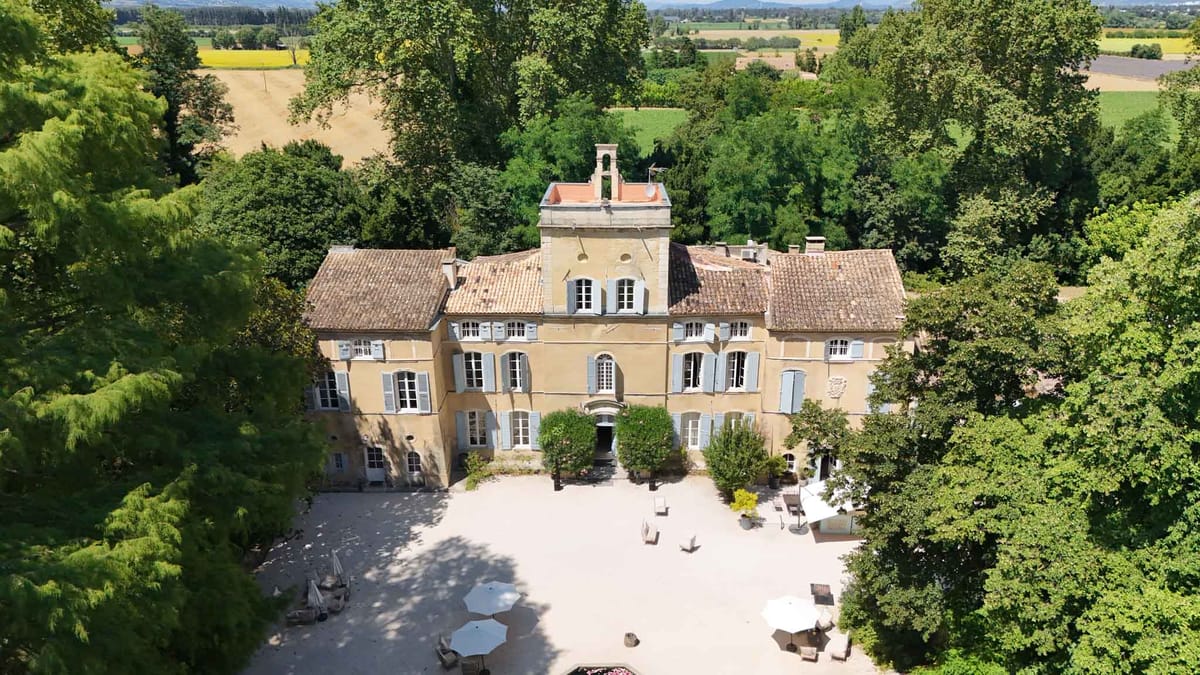
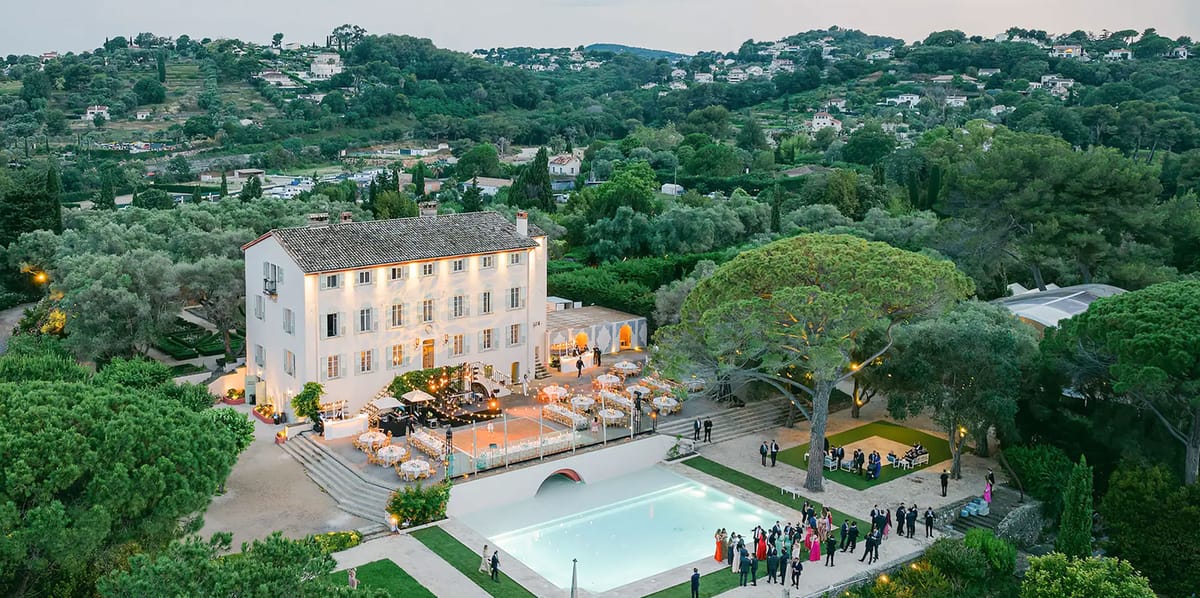
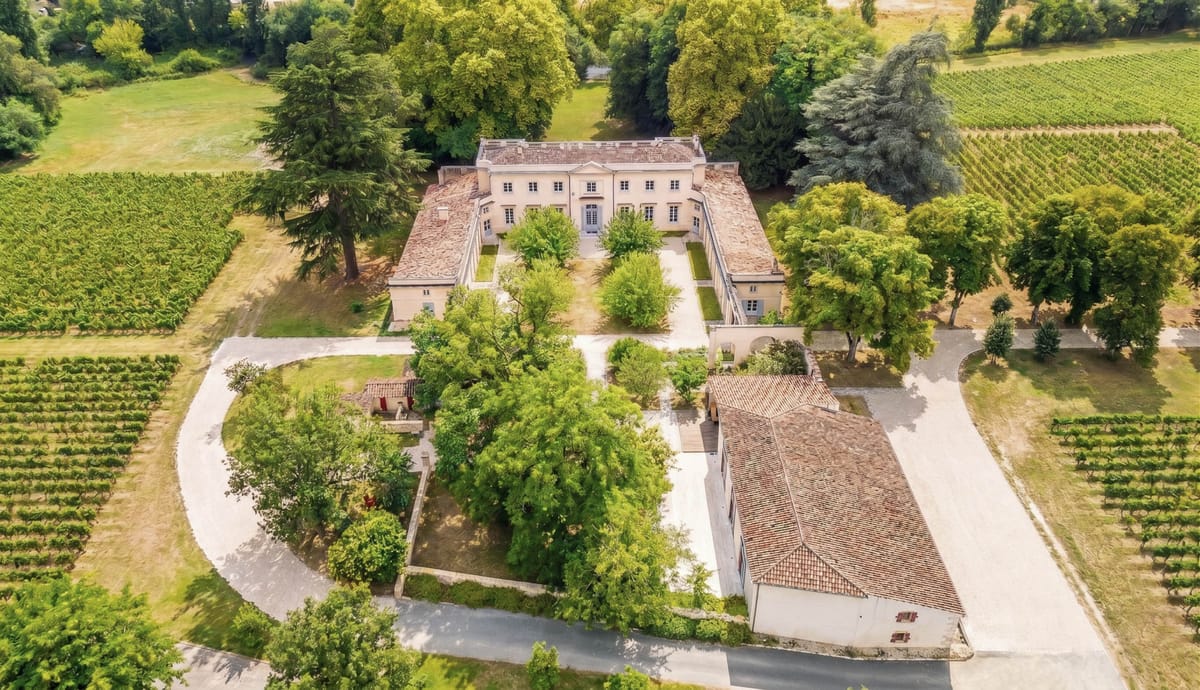
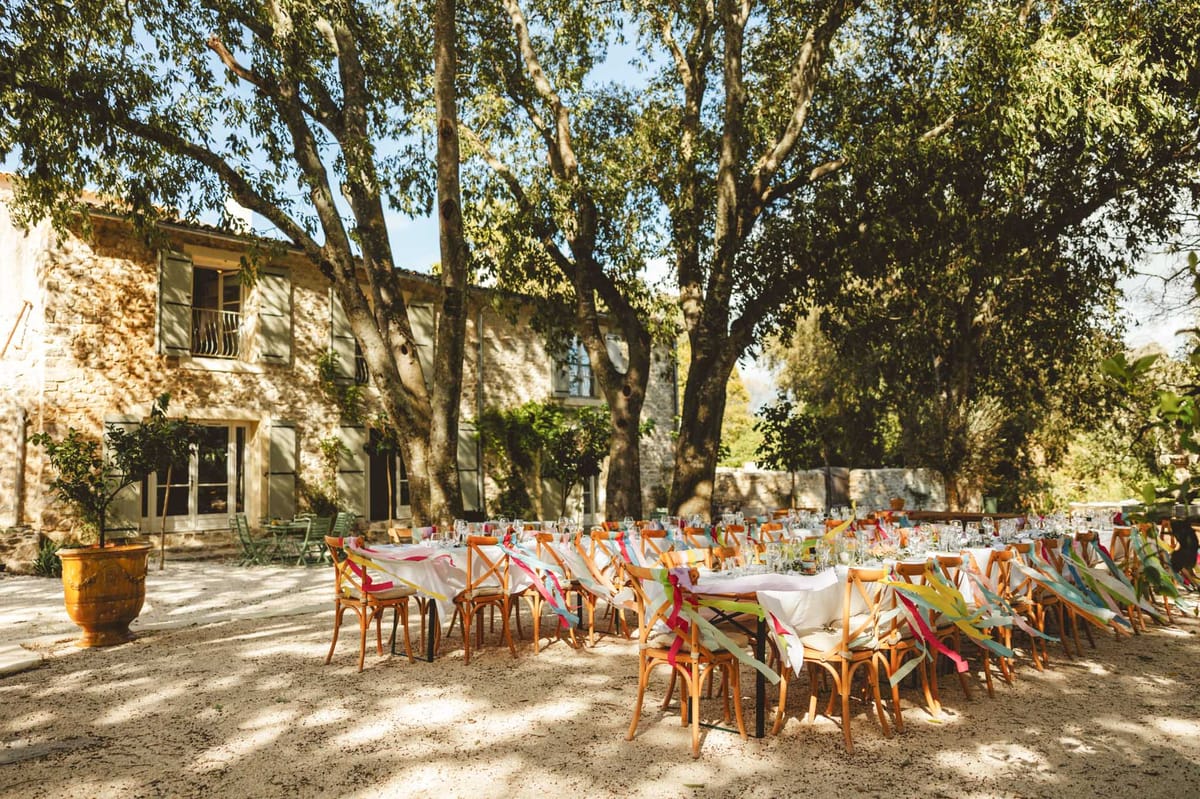
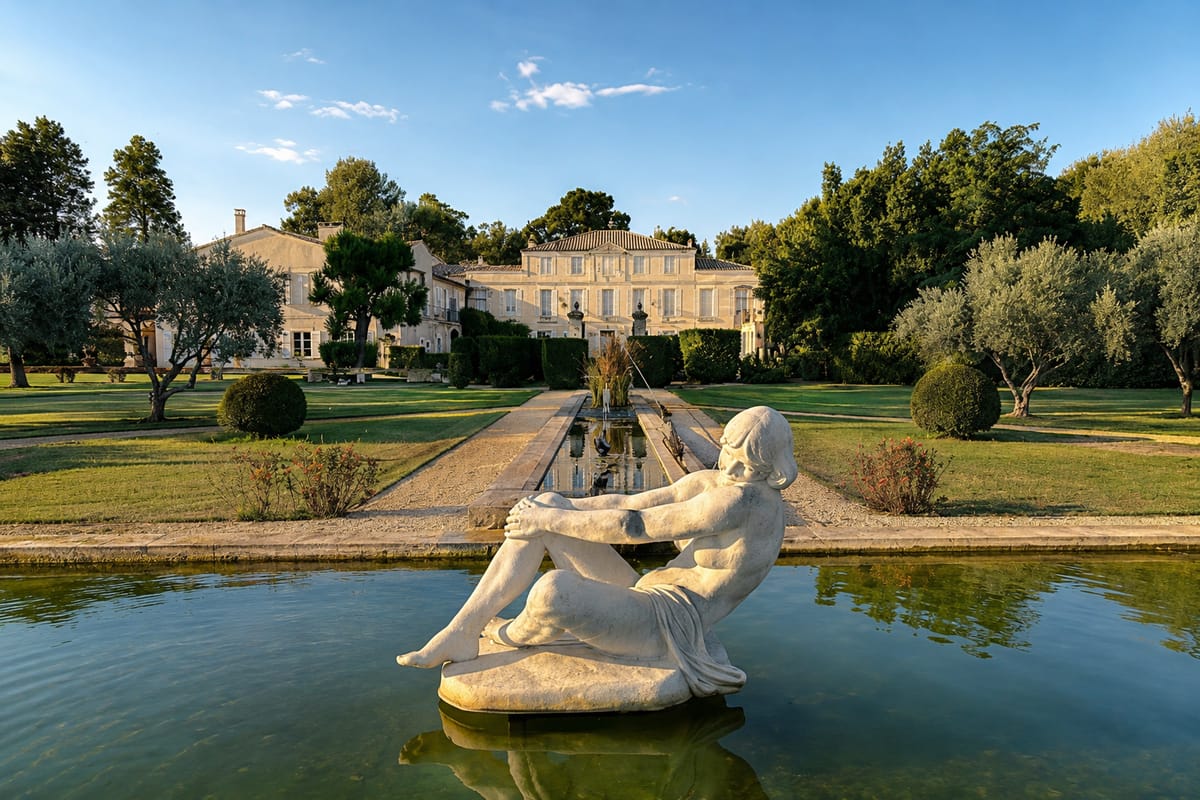
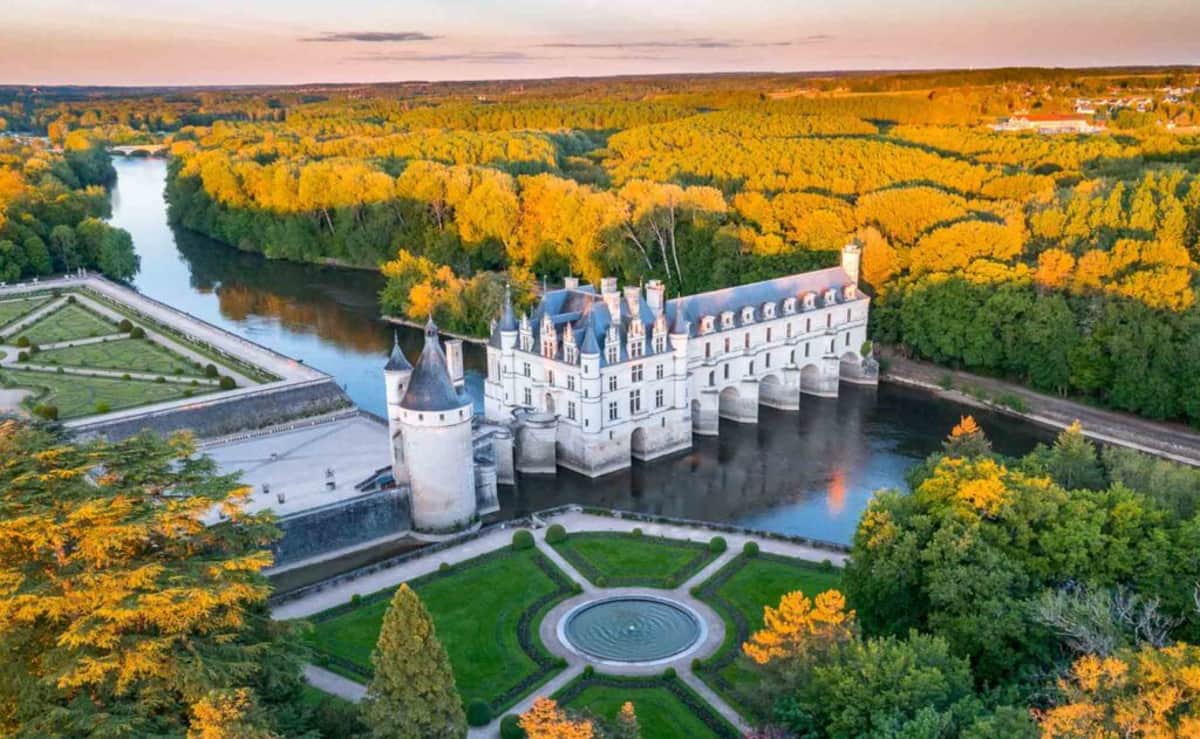
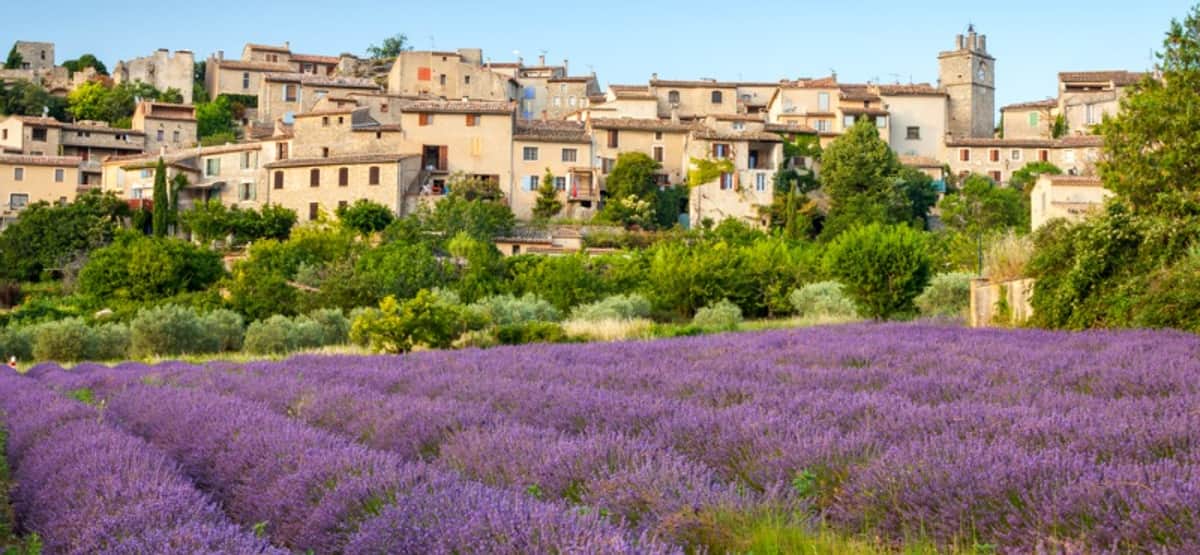
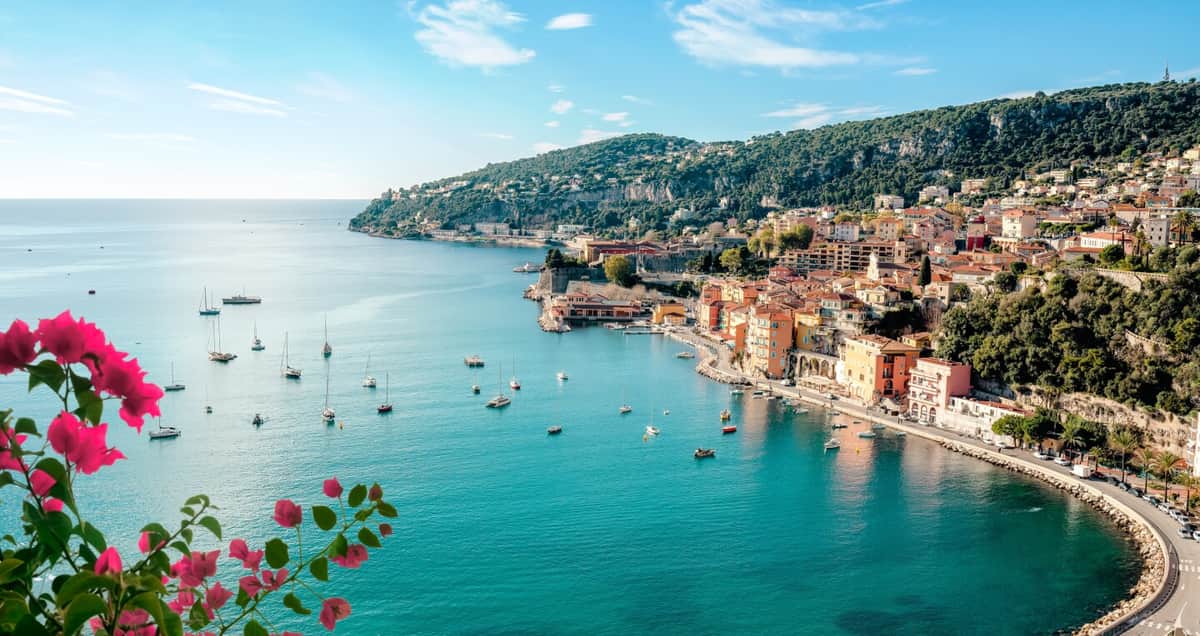
A garden wedding venue in France is one where the outdoor planted environment is the substantive setting for the day, not a decorative supplement to an indoor reception room. The strongest examples share a recognisable shape: a sequence of distinct planted spaces that let the celebration move from ceremony to cocktails to dining in the open air, mature plantings that give the grounds real visual weight, and a structural relationship between the gardens and either the architecture or the surrounding regional landscape. The character of the gardens, rather than the simple presence of a lawn, is what defines this category.
Editor's Tip
Distinguish the three garden characters before you shortlist: formal historic gardens, working agricultural gardens, and palace or family-château gardens. Match them to your photography style, your guest profile, and your seasonal flexibility. Formal gardens hold their character year-round; agricultural settings shift dramatically between spring bloom and late-summer dryness; palace gardens maintain the highest steady-state but trade a little authenticity for hospitality polish.
Garden character falls into three broad types, and the difference shapes how the day feels. Formal historic gardens carry landscape-architect provenance: clipped parterres, tree-lined avenues, moats and ornamental water, and designed sightlines that frame a ceremony. Working agricultural estates place guests inside a producing landscape of olive groves, vineyards, or green-oak parkland, where the setting feels rooted rather than staged. Palace and family-château gardens are maintained as a hospitality asset alongside the building, holding their polish across the season. Each type rewards a different photographic style, guest profile, and seasonal plan.
Garden wedding venues in France where the planted outdoor setting leads the celebration rather than decorating it. The collection spans three garden characters: formal historic gardens with landscape-architect provenance, working agricultural estates of olive groves and parkland, and palace and family-château grounds. Each estate is chosen for a genuine sequence of outdoor zones, mature plantings, and a real wet-weather plan.
Key facts at a glance
Garden character leads the day. These are venues where the planted outdoor setting is the substantive stage for the celebration: a sequence of distinct outdoor zones, mature plantings, and a structural link between the gardens and the architecture or landscape.
Three garden types. Formal historic gardens with landscape-architect provenance; working agricultural estates of olive groves, vineyards, and parkland; and palace or family-château grounds maintained year-round. Each suits a different photographic style, guest profile, and season.
Seasonality matters most for working gardens. Formal and palace gardens hold their character across the year. Working agricultural settings shift between spring bloom and late-summer dryness, so the month of the wedding shapes how the grounds will look.
Wet-weather backup is decisive. Judge a garden venue on its indoor backup as much as its outdoor setting: interconnected reception rooms, dedicated tent or marquee infrastructure, or property-internal ceremony architecture. Always request the wet-weather walk-through.
Legal ceremony at the mairie. Civil marriage in France happens at a town hall; the garden hosts a symbolic, blessing, or religious ceremony. International couples usually marry legally at home and hold a symbolic outdoor ceremony in France.
Plan around the peak season. Late spring to early autumn is the garden peak; book roughly twelve to eighteen months ahead for those dates, and six to nine months for the shoulder seasons. Smaller-bedroom estates reserve per weekend and fill first.
Compare the venues
Venue Side-by-Side Comparison
Pricing is indicative and may vary by season, guest count, and package. Please confirm directly with the venue.
€14,000PricingFrom €14,000 · Hire + packagesPeak season (June-September) exclusive 200-hectare estate hire with accommodation for 28 guests, 2-night minimum
€9,800PricingFrom €9,800Whole-estate hire is priced in two parts: the venue (reception halls and outdoor spaces, 4 days) plus the on-site accommodation (3 nights), which is mandatory. Combined, a wedding starts at 9,800 EUR in low season (January to March, November and December) and reaches 15,800 EUR in high season (May to October). April sits in between at 11,900 EUR. A bespoke quote for a full package (catering, decoration, flowers, music, and more) is available on request.
€18,000PricingFrom €18,000Peak season (June-September) exclusive castle hire with accommodation for up to 49 guests, 2-night minimum•Weekday Stay (1 night, 33 guests) — €15,100Exclusive use · Accommodation for 33•Weekend Stay (3 nights, 49 guests) — €36,200Exclusive use · Accommodation for 49 guests · 3 nights
€18,000PricingFrom €18,000 · Hire + packagesExclusive estate hire for up to 140 guests with on-site accommodation for 56. Minimum 2 nights weekdays, 3 nights weekend.
€15,000PricingFrom €15,000From price for sole-use hire of the whole property. The fee varies with the season and the day of the week. Beyond full-venue hire, partial privatisation of individual spaces such as the terraces or a dedicated area is available on request, with a personalised quote.
€34,000PricingFrom €34,000 · Hire + packagesPeak season (June-September) full privatization of the villas and Corniche for up to 86 guests, 2-night minimum; half-estate buyout available on weekdays.
€14,500PricingFrom €14,5002028 weekday package from €14,500 (Tuesday 3.30pm to Thursday noon); 2028 weekend package €17,500 (Friday 3.30pm to Sunday 4pm). Both include exclusive use of the estate and all 20 bedrooms. 2027: €14,800, plus tourist tax and a €300 cleaning fee. The new 300 m² Orangery, seating 200, is the reception space from April 2027.•2027 package — €14,800•2028 weekday package (Tuesday to Thursday) — €14,500•2028 weekend package (Friday to Sunday) — €17,500
€15,000PricingFrom €15,000Dry hire from 15,000 euro for private use of the château and estate for a multi-day celebration; varies by season, length of stay and requirements.
€9,000PricingFrom €9,000From EUR 9,000 for a one-night weeknight privatisation (Tuesday to Wednesday) with on-site accommodation. The full Friday-to-Monday weekend, also including accommodation, is EUR 16,400.
€20,000PricingFrom €20,000 · Hire + packagesExclusive three-night hire of Château de Bouchony from €20,000, with midweek stays available from Tuesday to Friday and weekend stays from Friday to Monday. Weekend hire is priced at €28,000 including VAT.•Midweek Wedding — Exclusive hire including three nights’ accommodation and the venue’s listed facilities. — €20,000•Weekend Wedding — Exclusive hire including three nights’ accommodation and the venue’s listed facilities. — €28,000
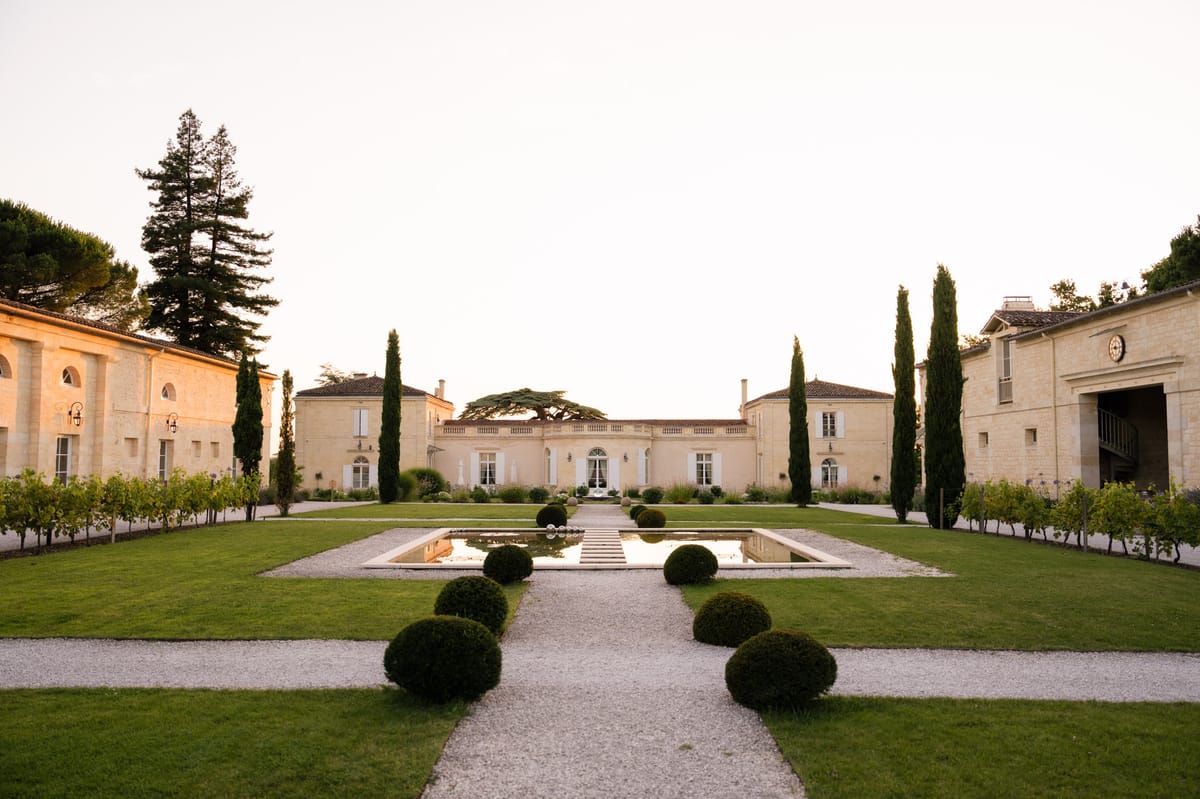
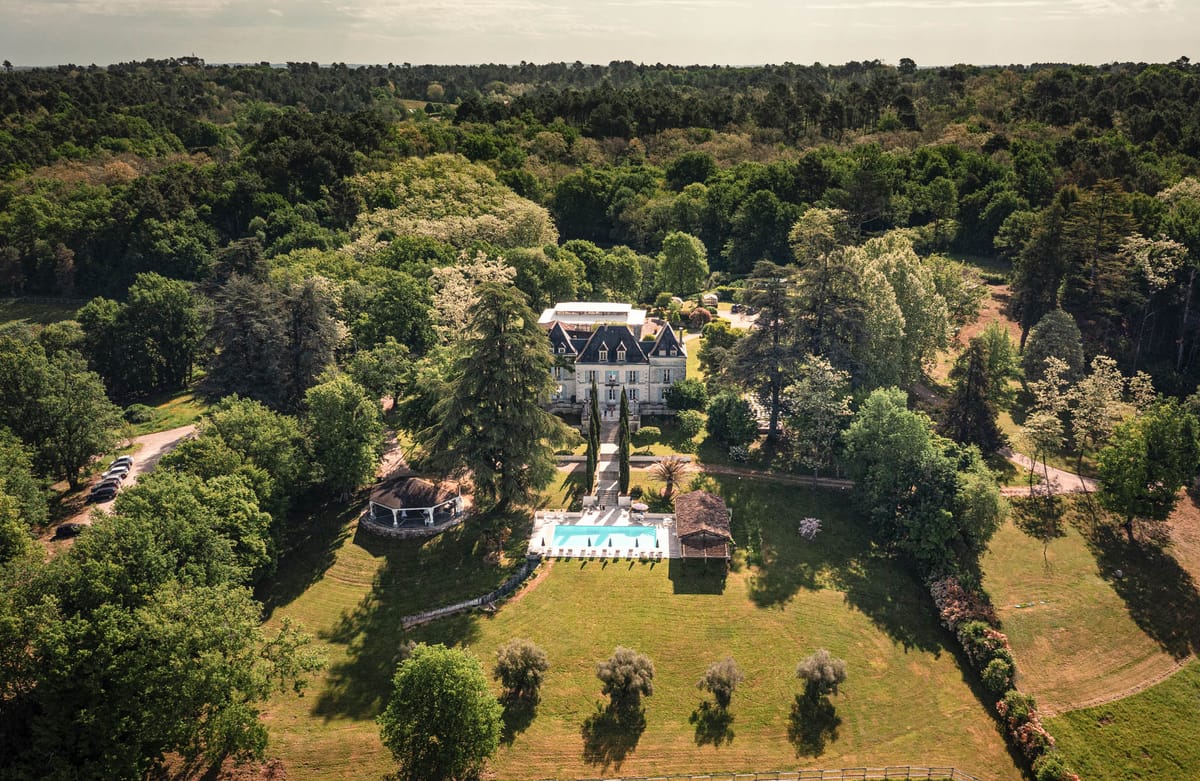
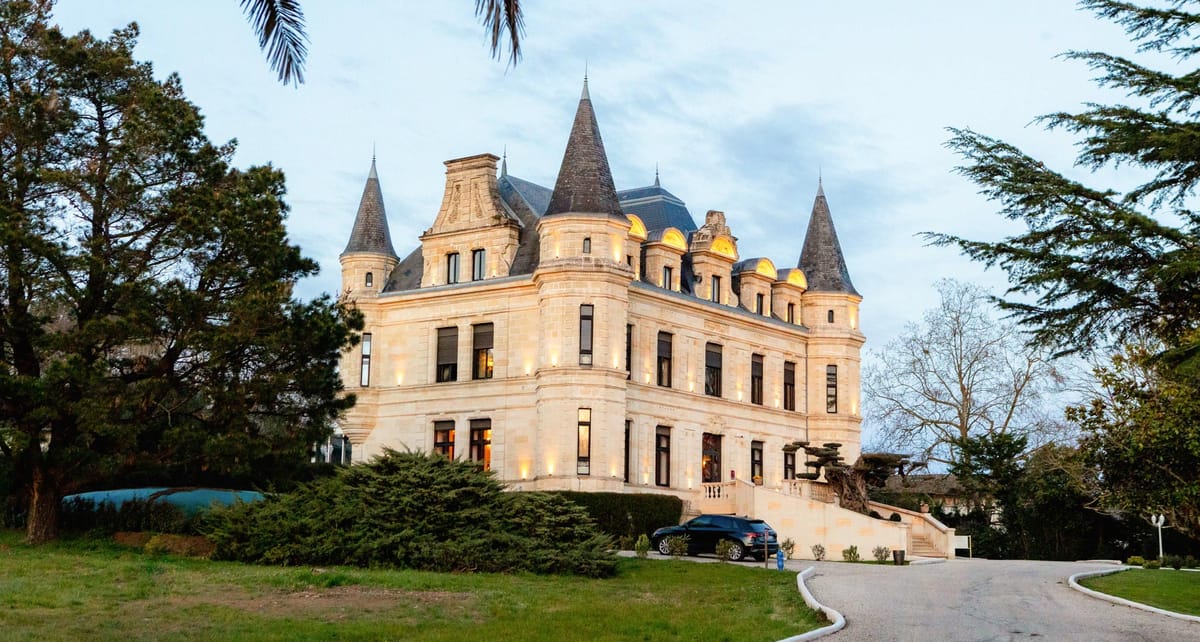
A magnificently restored 18th-century estate set on 14 hectares on the heights of Latresne, overlooking Bordeaux and the Garonne River, offering exclusive-use weddings for up to 150 guests with 43 sleeping on-site across 6 suites and 3 guesthouses.
Set in Nouvelle-Aquitaine, Bordeaux, this château hosts up to 150 guests. It offers full sole-use weekend hire, 14 hectares of grounds and a swimming pool.
Why We Love It
An 18th-century estate on the heights of Latresne, with long views over Bordeaux and the Garonne.
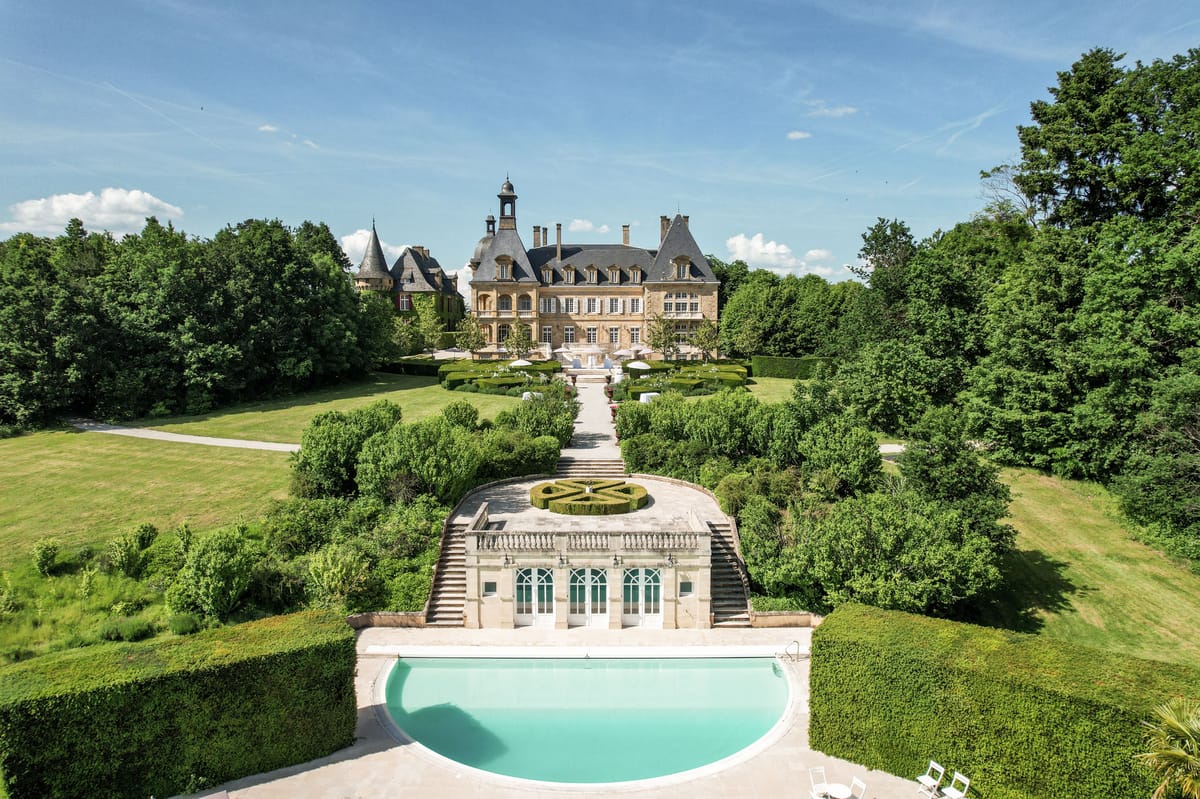
Domaine d'Essendiéras sits in the Périgord Vert countryside of the Dordogne, a 360-hectare estate with two castles. One dates from the 16th century, the other from the 19th, and the grounds include English and Celtic gardens, ponds, and wooded valleys. The venue hosts up to 250 guests across indoor and outdoor reception spaces, with on-site accommodation for over 200, an in-house kitchen, and a four-night minimum for weekend weddings.
Set in Nouvelle-Aquitaine, Périgueux, this domaine hosts up to 250 guests. It offers 360 hectares of grounds and a swimming pool.
Why We Love It
A 360-hectare Périgord estate with 2 châteaux and English and Celtic gardens, room enough to spread a long weekend.
Max Guests
250
Sleeps
200
Chapel
No
From €6,500PricingFrom €6,500 · Hire + packagesPeak season (June-September). Venue hire for up to 250 guests, minimum 4-night stay./ venue hire
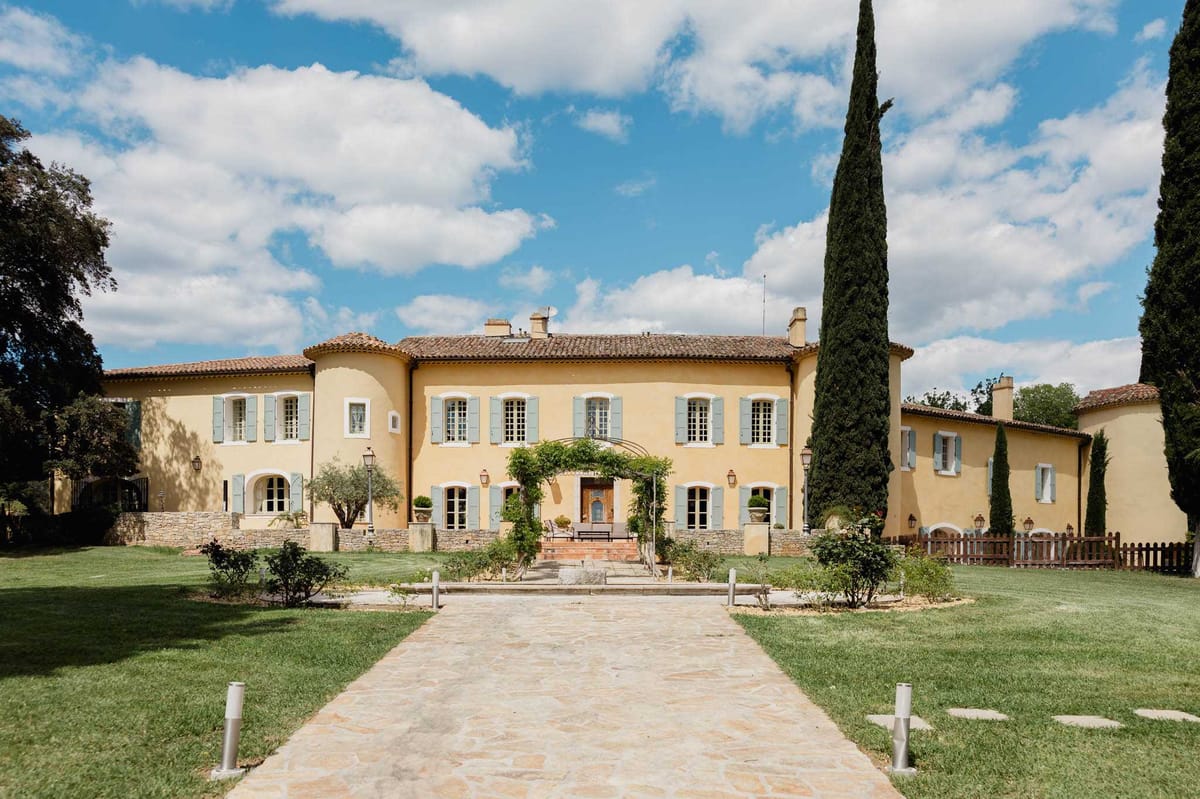
A 17th-century Provençal estate spanning 200 hectares with 55 hectares of vineyards, offering exclusive private hire for intimate celebrations with 12 rooms accommodating 28 guests.
Set in Provence-Alpes-Côte d'Azur, Lorgues, this château hosts up to 150 guests. It offers full sole-use weekend hire, 200 hectares of grounds, a working vineyard, a swimming pool and no curfew.
Why We Love It
A 17th-century estate inside 55 hectares of working vineyard, run on low-impact, eco-minded lines.
Max Guests
150
Sleeps
28
Chapel
No
From €14,000PricingFrom €14,000 · Hire + packagesPeak season (June-September) exclusive 200-hectare estate hire with accommodation for 28 guests, 2-night minimum/ venue hire
Villefranche-sur-Saône (about 30 minutes by car), Rhone
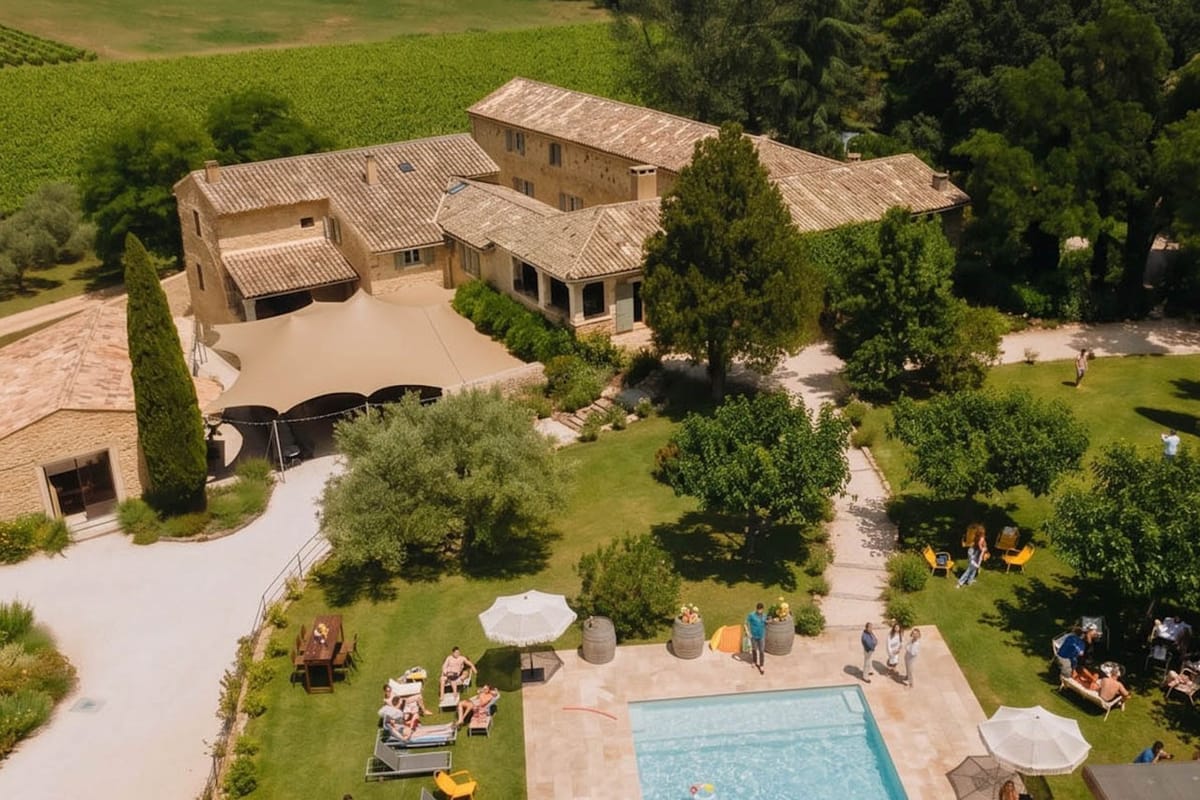
In the heart of Beaujolais, with a stunning view over the valley, feel right at home in this exceptional place full of rustic charm and vineyard appeal. Domaine de Vavril isn't just a venue, guests are encouraged to make the Domaine their own family home for the duration of their event. To fully soak up the atmosphere and surroundings, the Domaine offers a 3 night, 4 day package, allowing you to have a long weekend full of freedom, privacy, and serenity.
Set in Auvergne-Rhône-Alpes, Villefranche-sur-Saône, this domaine hosts up to 150 guests. It offers full sole-use weekend hire, a working vineyard, a swimming pool and no curfew.
Why We Love It
A Beaujolais domaine with valley views and vineyard grounds, given over to you for a three-night weekend of open-air celebration.
Max Guests
150
Sleeps
41
Chapel
No
From €9,800PricingFrom €9,800Whole-estate hire is priced in two parts: the venue (reception halls and outdoor spaces, 4 days) plus the on-site accommodation (3 nights), which is mandatory. Combined, a wedding starts at 9,800 EUR in low season (January to March, November and December) and reaches 15,800 EUR in high season (May to October). April sits in between at 11,900 EUR. A bespoke quote for a full package (catering, decoration, flowers, music, and more) is available on request./ venue hire
An 18th century manor house offering exclusive use of an exceptional estate with orangery, rotunda, heated swimming pool, and accommodation for up to 25 guests.
Set in Nouvelle-Aquitaine, Bergerac, this manoir hosts up to 200 guests. It offers full sole-use weekend hire and a swimming pool.
Why We Love It
An 18th-century manor in exclusive use, its orangery, rotunda, and heated pool set in private grounds for up to 25 guests.
Max Guests
200
Sleeps
44
Chapel
No
From €12,000PricingFrom €12,000 · Hire + packagesPeak season (June-September). Exclusive venue hire for up to 200 guests./ venue hire
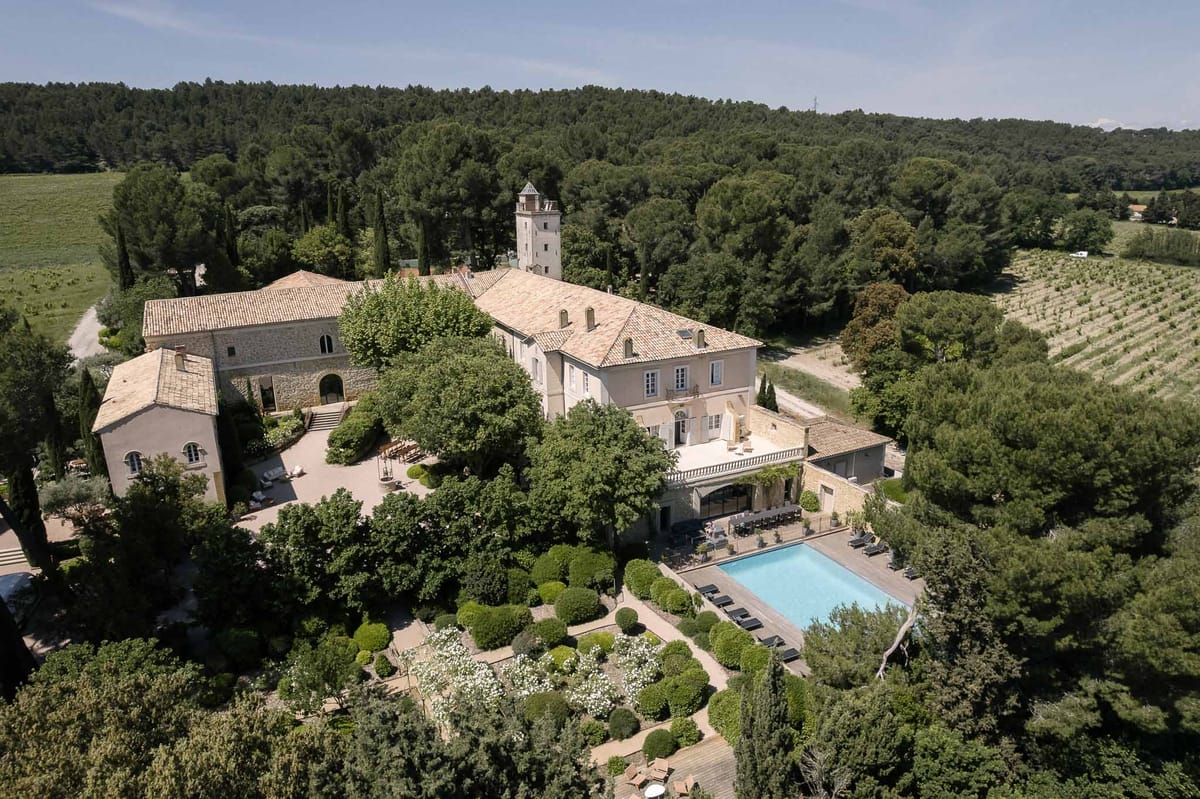
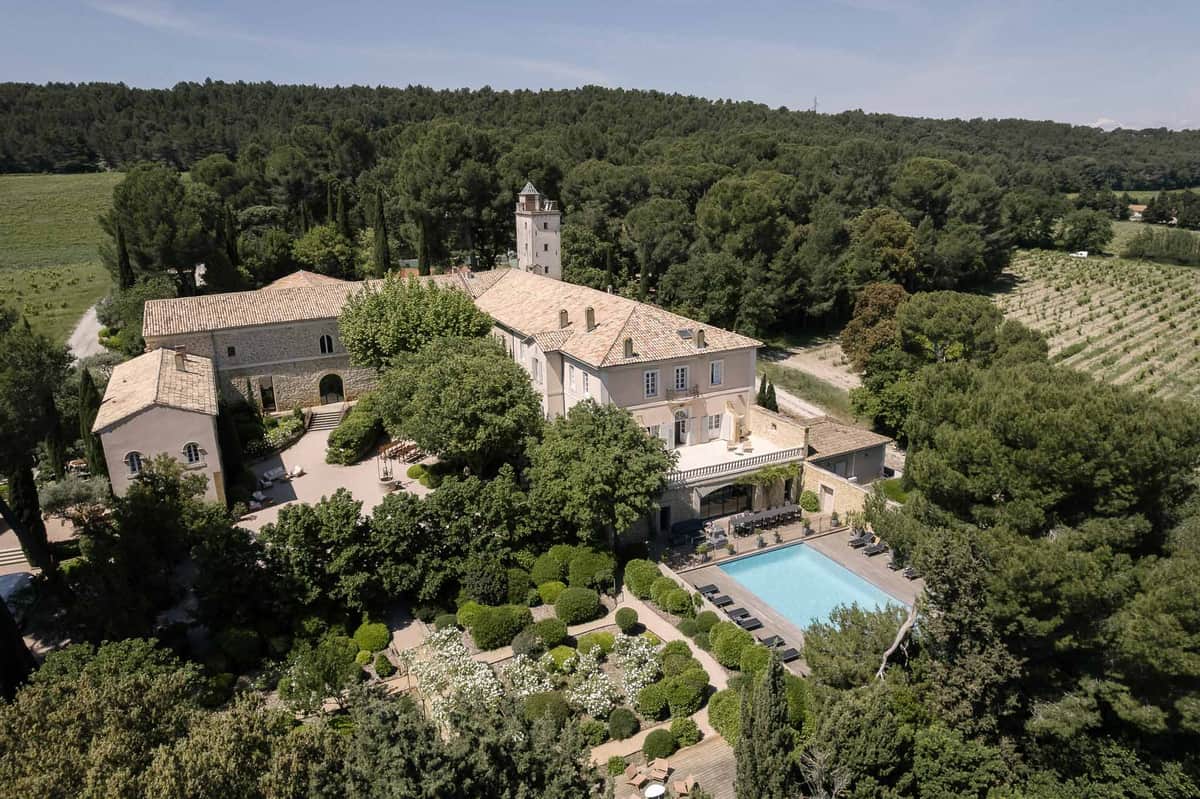
A private Provencal estate minutes from Avignon offering full exclusivity for up to 250 guests, with 23 bedrooms sleeping 49 across six restored buildings. Twelve distinct celebration spaces range from a grand 220 sqm reception hall to vine-draped terraces, a courtyard beneath a centuries-old plane tree, and a pine-shaded poolside lawn. Two heated swimming pools, no curfew, and direct TGV access from Paris in under three hours make it one of the most versatile destination wedding venues in southern France.
Set in Provence-Alpes-Côte d'Azur, Avignon, this château hosts up to 250 guests. It offers full sole-use weekend hire, a working vineyard, a swimming pool and no curfew.
Why We Love It
Across 6 restored buildings sit 12 distinct ceremony and reception spaces, minutes from Avignon TGV.
Max Guests
250
Sleeps
49
Chapel
No
From €18,000PricingFrom €18,000•Weekday Stay (1 night, 33 guests) — €15,100Exclusive use · Accommodation for 33•Weekend Stay (3 nights, 49 guests) — €36,200Exclusive use · Accommodation for 49 guests · 3 nights/ venue hire
A 35-hectare Provençal estate with 16th-century architecture, offering exclusive privatisation for weddings up to 140 guests with 56 on-site sleeping places across 23 bedrooms in an authentic hameau setting.
Set in Occitanie, this domaine hosts up to 140 guests. It offers full sole-use weekend hire, 35 hectares of grounds, a working vineyard, a swimming pool and no curfew.
Why We Love It
A 16th-century hameau where the whole wedding party stays together across a cluster of buildings, not a single house.
Max Guests
140
Sleeps
56
Chapel
No
From €18,000PricingFrom €18,000 · Hire + packagesExclusive estate hire for up to 140 guests with on-site accommodation for 56. Minimum 2 nights weekdays, 3 nights weekend./ venue hire
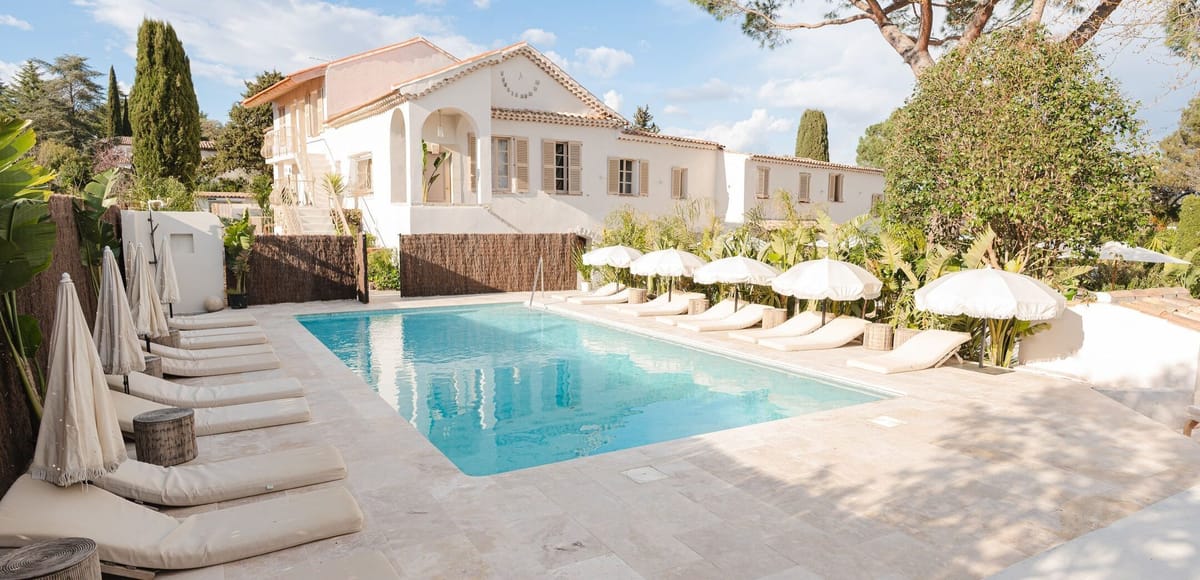
Auberge de TAO is a four-star hotel on the hills above Antibes, on the French Riviera between Cannes and Monaco. The whole property can be hired for a wedding, with around 800 square metres of reception and accommodation space set in a garden of palm trees and Mediterranean greenery. There are two outdoor terraces, a swimming pool, and two jacuzzis, with a modular indoor reception hall. 12 bedrooms sleep up to 28 guests, and the hotel's own restaurant and chef cater the events.
Set in Provence-Alpes-Côte d'Azur, Antibes, this hotel_boutique hosts up to 150 guests. It offers full sole-use weekend hire and a swimming pool.
Why We Love It
A four-star hotel above Antibes hired whole, its terraces and pool set in a garden of palm trees and Mediterranean greenery.
Max Guests
150
Sleeps
28
Chapel
No
From €15,000PricingFrom €15,000From price for sole-use hire of the whole property. The fee varies with the season and the day of the week. Beyond full-venue hire, partial privatisation of individual spaces such as the terraces or a dedicated area is available on request, with a personalised quote./ venue hire
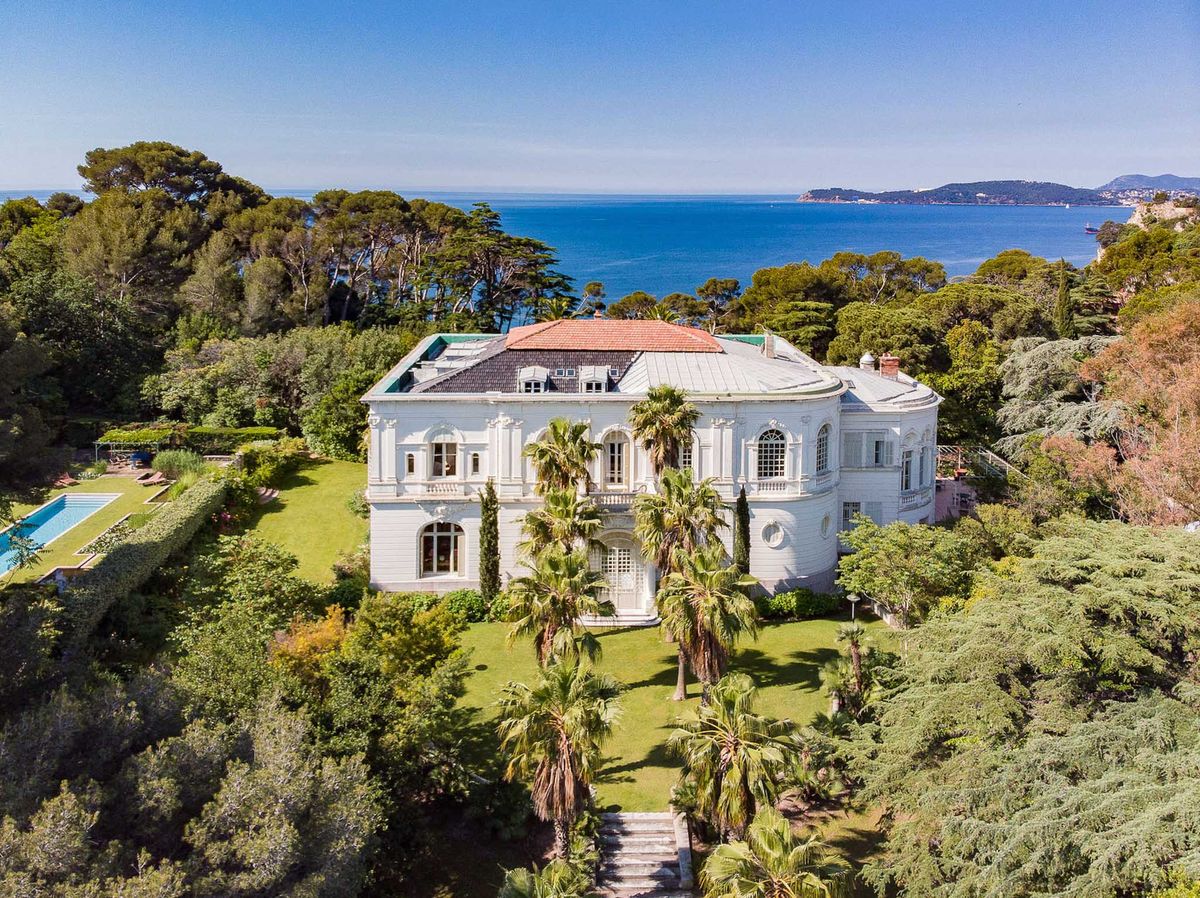
An extraordinary estate on the French Riviera near Toulon offering weddings for up to 150 guests, three-day weekend packages, multiple villas with sea views, and on-site accommodation for 32 to 80 guests.
Set in Provence-Alpes-Côte d'Azur, Toulon, this domaine hosts up to 150 guests. It offers full sole-use weekend hire and a swimming pool.
Why We Love It
Villas with Riviera sea views and a three-day weekend rhythm, for couples who want the coast with room to slow down.
Max Guests
150
Sleeps
80
Chapel
No
From €34,000PricingFrom €34,000 · Hire + packagesPeak season (June-September) full privatization of the villas and Corniche for up to 86 guests, 2-night minimum; half-estate buyout available on weekdays./ venue hire
A 19th-century estate built in 1834 in Bordeaux wine country, fully renovated and completed in 2024, offering exclusive use for weddings of up to 200 guests with 49 sleeping on-site across 20 rooms, set in the Entre-Deux-Mers wine region.
Set in Nouvelle-Aquitaine, Bordeaux, this château hosts up to 200 guests. It offers full sole-use weekend hire, a working vineyard and a swimming pool.
Why We Love It
An 1834 estate renovated in 2024, pairing a Bordeaux wine-country setting with bright, freshly restored interiors.
Max Guests
200
Sleeps
49
Chapel
No
From €14,500PricingFrom €14,500•2027 package — €14,800•2028 weekday package (Tuesday to Thursday) — €14,500•2028 weekend package (Friday to Sunday) — €17,500/ venue hire
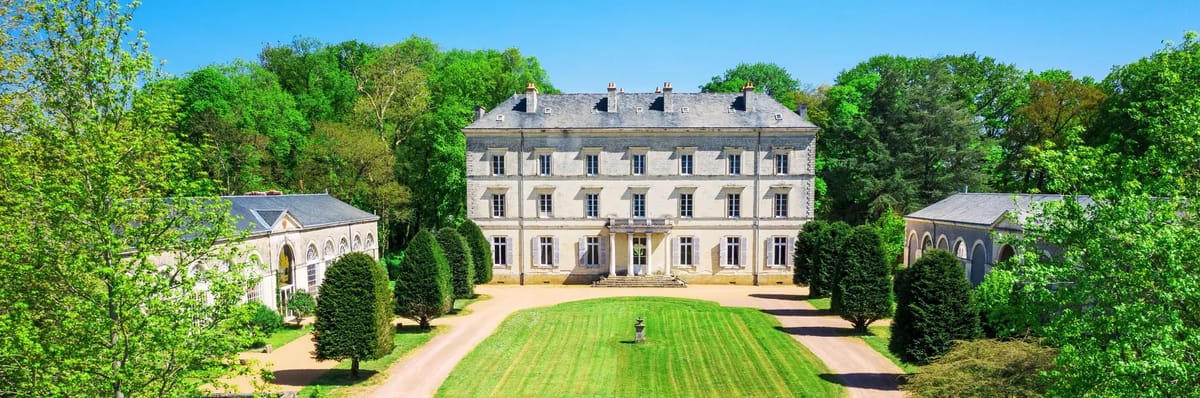
Château de la Brûlaire is a 19th-century château at Gesté in the Maine-et-Loire, between Nantes and the Loire Valley. The estate is hired for one wedding at a time, so a couple have the château, three reception salons, the Orangerie and a five-hectare park to themselves, with on-site accommodation for up to 103 guests across 29 bedrooms.
Set in Pays de la Loire, Nantes, this château hosts up to 400 guests. It offers full sole-use weekend hire, 5 hectares of grounds and a swimming pool.
Why We Love It
Hired one wedding at a time, with the salons, Orangerie, and grounds entirely yours between Nantes and the Loire.
Max Guests
400
Sleeps
103
Chapel
No
From €15,000PricingFrom €15,000Dry hire from 15,000 euro for private use of the château and estate for a multi-day celebration; varies by season, length of stay and requirements./ venue hire
A prestigious 2-hectare Mediterranean estate near Cannes, built in 1815 with refined gardens, reflecting pool, and elegant salons, offering exclusive one-event-at-a-time weddings for up to 250 guests.
Set in Provence-Alpes-Côte d'Azur, Cannes, this garden_estate hosts up to 250 guests. It offers full sole-use weekend hire and 2 hectares of grounds.
Why We Love It
An 1815 Mediterranean estate near Cannes, with refined gardens set around a reflecting pool.
Max Guests
250
Chapel
No
From €16,000PricingFrom €16,000One-day exclusive rental including full access to gardens, terraces, indoor salons, and event infrastructure/ venue hire
A charming Provençal mas in southern France offering elegant spaces for intimate weddings up to 150 guests, with on-site accommodation for 30 guests, a swimming pool, and professional event coordination.
Set in Provence-Alpes-Côte d'Azur, Tarascon, this mas hosts up to 150 guests. It offers full sole-use weekend hire and a swimming pool.
Why We Love It
A Provençal mas with a pool and on-site coordination, kept for intimate weddings.
Max Guests
150
Sleeps
30
Chapel
No
From €12,900PricingFrom €12,900 · Hire + packagesPeak season (June-September). Venue hire with accommodation for up to 150 guests./ venue hire
An 18th-century château in the heart of Vexin, between Ile-de-France and Normandy, extensively renovated and offering exclusive privatisation for weddings of up to 220 guests with 94 sleeping on-site across 34 rooms.
Set in Normandie, Giverny, this château hosts up to 200 guests. It offers full sole-use weekend hire and 6 hectares of grounds.
Why We Love It
An 18th-century château on the Île-de-France and Normandy border that sleeps 94, keeping guests close for a big weekend.
Max Guests
200
Sleeps
94
Chapel
No
From €11,500PricingFrom €11,500 · Hire + packagesPeak season (June-September) exclusive venue hire for up to 200 guests/ venue hire
A 15th-century Provencal castle and estate in Lamotte-du-Rhone, Vaucluse, classified as a Historic Monument, offering full privatisation for weddings of up to 198 guests with 42 guests sleeping on-site across 14 rooms.
Set in Provence-Alpes-Côte d'Azur, Avignon, this château hosts up to 221 guests. It offers full sole-use weekend hire, 6 hectares of grounds and a swimming pool.
Why We Love It
A 15th-century Provencal château and Historic Monument at Lamotte-du-Rhone, privatised in full for outdoor ceremonies of up to 198 guests.
Max Guests
221
Sleeps
42
Chapel
No
From €10,000PricingFrom €10,000Peak season (June-September) exclusive venue hire for up to 200 guests, 2-night minimum stay/ venue hire
An iconic classified Historic Monument on the Côte d'Azur near Antibes, featuring 365 olive trees, remarkable gardens, and a semi-Olympic swimming pool. Accommodates up to 280 guests with 5 on-site honeymoon suites and flexible event spaces across multiple themed gardens.
Set in Provence-Alpes-Côte d'Azur, Antibes, this bastide hosts up to 280 guests. It offers full sole-use weekend hire and a swimming pool.
Why We Love It
A classified Historic Monument on the Côte d'Azur near Antibes, with 365 olive trees, a semi-Olympic pool, and several themed gardens.
Max Guests
280
Sleeps
10
Chapel
No
From €17,000PricingFrom €17,000 · Hire + packagesPeak season (June-September) venue hire with on-site services for up to 280 guests/ venue hire
A classified Monument Historique built by Victor Louis in the Graves wine country, 24 km south of Bordeaux. Walled four-hectare estate with an organic vineyard, full privatisation available, seating 120 and sleeping 49.
Set in Nouvelle-Aquitaine, Bordeaux, this château hosts up to 120 guests. It offers full sole-use weekend hire and a working vineyard.
Why We Love It
A classified Monument Historique by Victor Louis in the Graves, with a walled organic vineyard 24 km south of Bordeaux.
Max Guests
120
Sleeps
49
Chapel
No
From €9,000PricingFrom €9,000From EUR 9,000 for a one-night weeknight privatisation (Tuesday to Wednesday) with on-site accommodation. The full Friday-to-Monday weekend, also including accommodation, is EUR 16,400./ venue hire
A stunning 120-acre private estate near Montpellier with 18th-century buildings, on-site accommodation for 32 guests, heated swimming pool, and flexible catering options for intimate and mid-sized weddings.
Set in Occitanie, Quissac, this domaine hosts up to 120 guests. It offers full sole-use weekend hire, 49 hectares of grounds and a swimming pool.
Why We Love It
A 49-hectare estate near Montpellier with 18th-century buildings and a heated pool, for intimate to mid-sized weekends.
Max Guests
120
Sleeps
30
Chapel
No
From €11,500PricingFrom €11,500 · Hire + packagesPeak season (June-September) exclusive estate rental for up to 120 guests/ venue hire
Set on the peaceful Île de la Barthelasse, just minutes from Avignon, Château de Bouchony is an intimate private estate created for destination weddings in Provence. Surrounded by mature gardens, the château offers couples the rare feeling of welcoming their guests into a family home, exclusively theirs for the entire celebration.
Wedding weekends unfold naturally across the estate. Ceremonies take place in the gardens or the consecrated chapel, cocktails beneath the trees, and dinner in front of the château or beneath the sailcloth marquee. A relaxed poolside brunch follows the next day.
The venue accommodates up to 20 guests across 2 premium bedrooms and 2 spacious apartments. A heated swimming pool, tennis court, dedicated parking, refined reception furniture, architectural lighting and a 280 m² sailcloth marquee are all included.
Located only 12 minutes from Avignon TGV station and less than an hour from Marseille Airport, Château de Bouchony combines privacy and accessibility. It hosts a limited number of weddings each year, with authentic Provençal character throughout.
Set in Provence-Alpes-Cote d'Azur, Avignon, this château hosts up to 180 guests. It offers full sole-use weekend hire, an on-site chapel, a swimming pool and no curfew.
Why We Love It
A private garden estate on the Île de la Barthelasse near Avignon, with ceremonies among the gardens and room to stay for up to 20 guests.
Max Guests
180
Sleeps
20
Chapel
Yes
From €20,000PricingFrom €20,000 · Hire + packages•Midweek Wedding — Exclusive hire including three nights’ accommodation and the venue’s listed facilities. — €20,000•Weekend Wedding — Exclusive hire including three nights’ accommodation and the venue’s listed facilities. — €28,000/ venue hire
The three garden characters, and how to choose between them
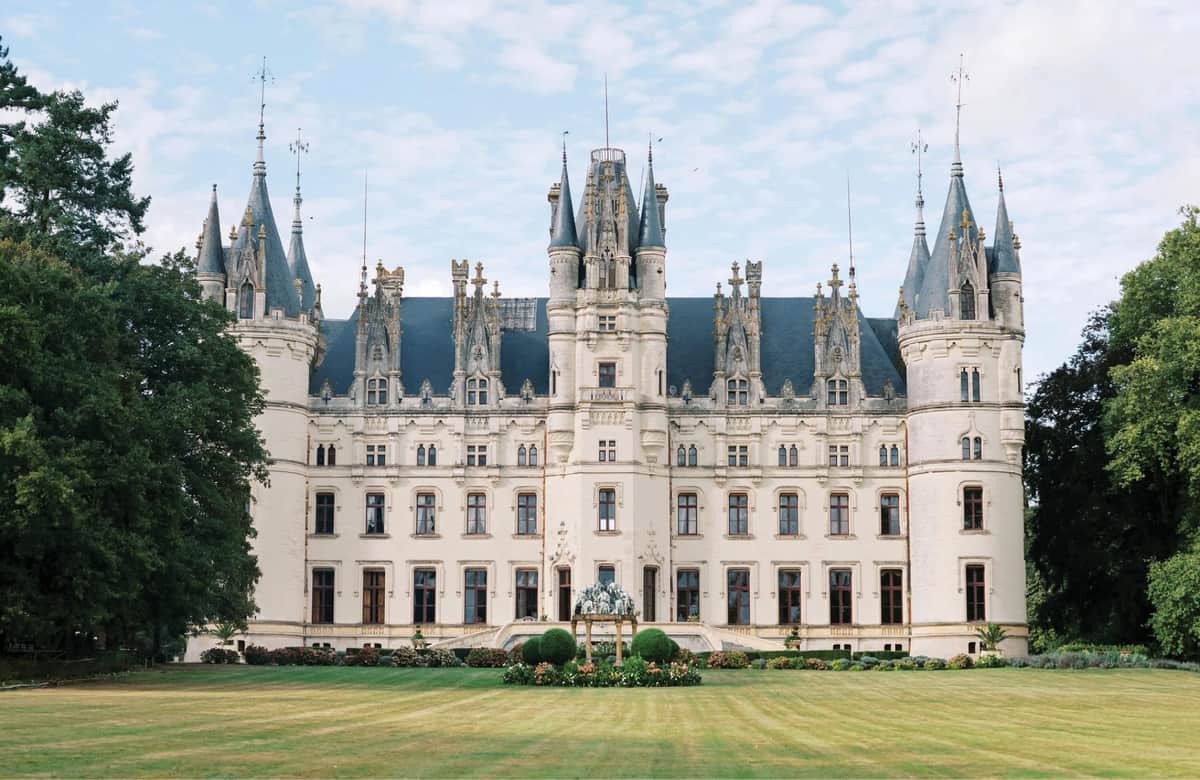
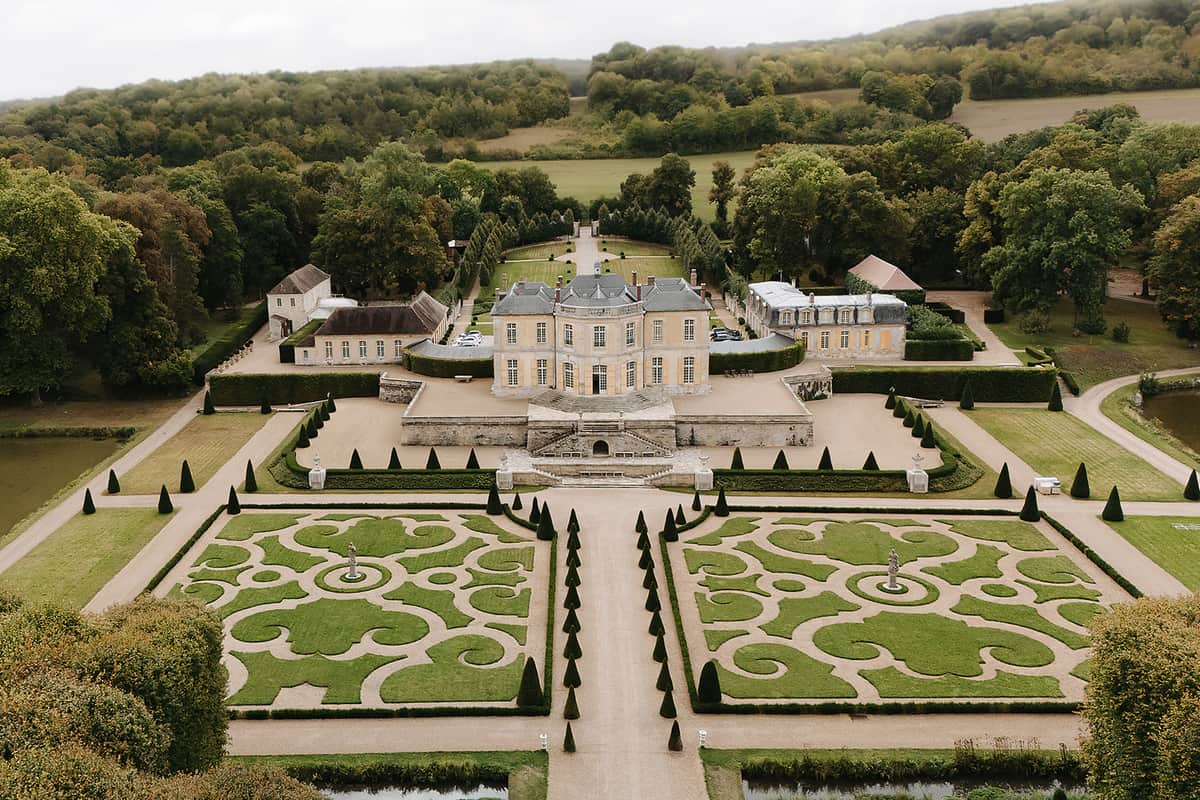
Formal historic gardens place the wedding inside designed landscape architecture: parterres, linden or plane-tree avenues, ornamental water, and the long sightlines that give a processional ceremony its drama. These grounds hold their character across the year because the structure is architectural rather than seasonal, which makes them a dependable choice for a date outside high summer. They suit couples who want a sense of occasion and a backdrop that reads as composed and architectural in photographs.
Working agricultural gardens place guests within a producing landscape. Ceremonies sit among olive groves, vineyard rows, or century-old parkland, and the atmosphere is grounded and unforced rather than manicured. The trade-off is seasonal: a working garden shifts noticeably between spring bloom and late-summer dryness, so the month of your wedding matters more here than anywhere else. These settings suit couples who want authenticity and a strong sense of place over formal polish.
Palace and family-château gardens are maintained year-round as part of the hospitality operation, so they offer the most consistent steady-state and the smoothest service, with the planted grounds kept to a high standard whatever the season. They suit couples who prioritise reliability and a high level of on-site care, and who are comfortable trading a little of the lived-in authenticity of a working estate for that consistency.
How to evaluate a French garden wedding venue at first enquiry
The most consequential question is what the gardens look like in the specific month of your wedding, not in the dressed-for-photography summer baseline. French gardens shift between spring bloom and late-summer dryness, so ask for dated photographs from your wedding month, and where possible walk the grounds at the same time of day you plan to hold the ceremony or seated dinner. Light through trees and across terraces changes dramatically between afternoon and golden hour, and it shapes the whole atmosphere of the day.
Then test the outdoor logistics. Ask how the planted zones sequence from ceremony to cocktails to dinner, whether amplified music is permitted outdoors or the setting imposes acoustic limits, and what the noise and curfew policy is after dark. Confirm whether garden lighting is installed or your production team must bring uplighting and pathway lighting, since a garden that looks impressive by day can disappear at night. For protected or listed grounds, ask early about any decoration constraints.
Finally, weigh the practical fit: the catering model (in-house, a recommended list, or open to your own caterer), the on-site or nearby accommodation pattern for your guests, and access from the nearest international airport or rail hub for an international guest list. A venue that answers these openly is usually one that runs garden weddings regularly rather than occasionally.
Wet-weather backup: the question that separates strong garden venues
A garden ceremony is weather-dependent by definition, so a garden venue should be judged on its indoor backup as carefully as on its outdoor setting. Strong venues offer one of three structural patterns of backup, and it is worth identifying which one you are being shown. The first is interconnected indoor reception rooms that can absorb the full guest count if the ceremony is forced inside, without splitting the party across disconnected spaces.
The second pattern is dedicated tent or marquee infrastructure, where a permanent or semi-permanent structure extends the open-air feeling into shelter rather than forcing a retreat to a banquet room. The third is property-internal ceremony architecture, such as a covered courtyard or cloister that serves as a sheltered alternative close to the outdoor ceremony spot. Each is legitimate; what matters is that the backup exists and that you have seen it.
Ask for the wet-weather walk-through at every site visit. A venue that shows its backup space readily usually has a strong one. A venue that resists the conversation often has a weaker indoor alternative than the garden it showcases, and that is exactly the gap you do not want to discover on the morning of the wedding.
Expert advice
Expert Tips for This Style
Visit the gardens at your celebration hour
Garden light shifts dramatically between afternoon and golden hour. The way sun filters through trees or falls across terraces will shape your entire ceremony and dinner atmosphere. Ask for dated photographs from your wedding month, and where possible visit at the time of day your ceremony is planned.
Plan for the wind on elevated and coastal terraces
Garden venues at altitude or near the coast experience strong breezes, especially on Mediterranean terraces and elevated parkland. Ask each venue about windbreaks, sheltered garden corners, and whether they provide structural backup for open-air setups.
Match floral design to the existing planting
The most cohesive garden weddings work with the existing plantings rather than against them. Ask each venue for a plant list or walk the grounds with your florist so your arrangements feel like a natural extension of the landscape rather than an imported colour scheme.
Think about garden lighting after dark
A garden that looks impressive by day can disappear at night without proper lighting. Prioritise venues with built-in landscape lighting, or confirm that your production team can install uplighting among the trees and pathway lighting along walkways.
Plan insect control for evening garden dining
Outdoor dinner service near flowering beds and water features in southern France attracts mosquitoes from dusk onward. Ask your venue about citronella torch placement, professional misting systems, and whether ornamental ponds can be treated in advance. Individual repellent sprays at each table setting are a small detail guests appreciate.
What does 'garden wedding venue' mean for a French estate?+
It means the outdoor planted setting is at the centre of the celebration rather than a decorative supplement to an indoor reception. A genuine garden venue offers a sequence of distinct outdoor zones for ceremony, cocktails, and dining or extended cocktail format; mature plantings such as centuries-old trees, formal hedging, or working agricultural plantings; a structural relationship between the gardens and the estate's architecture or surrounding landscape; and real outdoor production capacity rather than an improvised lawn.
Which French region best suits a garden wedding?+
It depends on the garden character you want. Provence and the Côte d'Azur offer Mediterranean palace gardens and olive-grove agricultural settings. The Champagne country and the wider Grand Est hold formal historic gardens with landscape-architect provenance. The Loire and Centre-Val de Loire offer English-style wooded parks and orangerie estates within easy reach of Paris. Auvergne-Rhône-Alpes brings green-oak parkland, and Occitanie brings boxwood, lavender, and rose-garden architecture. Match the region to the garden type rather than the other way around.
Can we hold a legal ceremony in the garden?+
Civil marriage in France must take place at a town hall (mairie); no private estate or hotel is licensed to perform the legal French civil ceremony. The garden hosts a symbolic, blessing, or religious ceremony only. International couples typically complete the legal marriage in their home country and hold a symbolic outdoor ceremony at the French venue. Many estates include a private or restored chapel for a religious blessing.
What is the wet-weather backup at a French garden wedding venue?+
Strong venues offer one of three structural patterns: interconnected indoor reception rooms that absorb the full guest count; dedicated tent or marquee infrastructure that keeps the open-air feeling under cover; or property-internal ceremony architecture such as a covered courtyard or cloister. Always ask for the wet-weather walk-through at the site visit, and judge the backup as carefully as the garden itself.
Are external caterers allowed at French garden venues?+
It varies by estate. Some allow your own caterer with full kitchen access, some operate a recommended-list model, and others run in-house catering or an on-site restaurant. Confirm the catering model at first enquiry, because a specific cuisine or chef preference can exclude in-house-only venues from your shortlist.
How does accommodation usually work at a garden venue?+
Patterns differ. Many private estates include on-site bedrooms for the wedding party, which naturally ties the celebration to a weekend format, while the broader guest list stays at nearby hotels. Some venues operate as event-only properties with no on-site sleeping, relying on accommodation in a nearby town, and palace hotels offer full guest-room inventory. Confirm the pattern early, since it shapes both your budget and your weekend timeline.
How far in advance should we book a French garden wedding venue?+
Plan roughly twelve to eighteen months ahead for the late-spring to early-autumn peak, and six to nine months for shoulder-season dates. Estates with limited bedrooms tend to book first because the venue is reserved per weekend, while properties with larger inventory can often absorb later dates. Popular gardens in the most sought-after months are the first to go.
Is a garden wedding suitable for an international guest list?+
Yes, and France is well set up for it. Garden estates cluster within reach of major international airports and high-speed rail, so an international guest list can usually travel in with one connection. When you shortlist, weigh travel time from the nearest airport or station alongside the garden itself, and favour venues that can advise on guest accommodation and transfers.
Ready to shortlist your French garden wedding venue?
Tell us your dates, guest count, and which French region you're considering, and we'll send a tailored response. We'll match the garden character, whether formal historic, working agricultural, or palace and family-château, and the regional setting to your priorities.