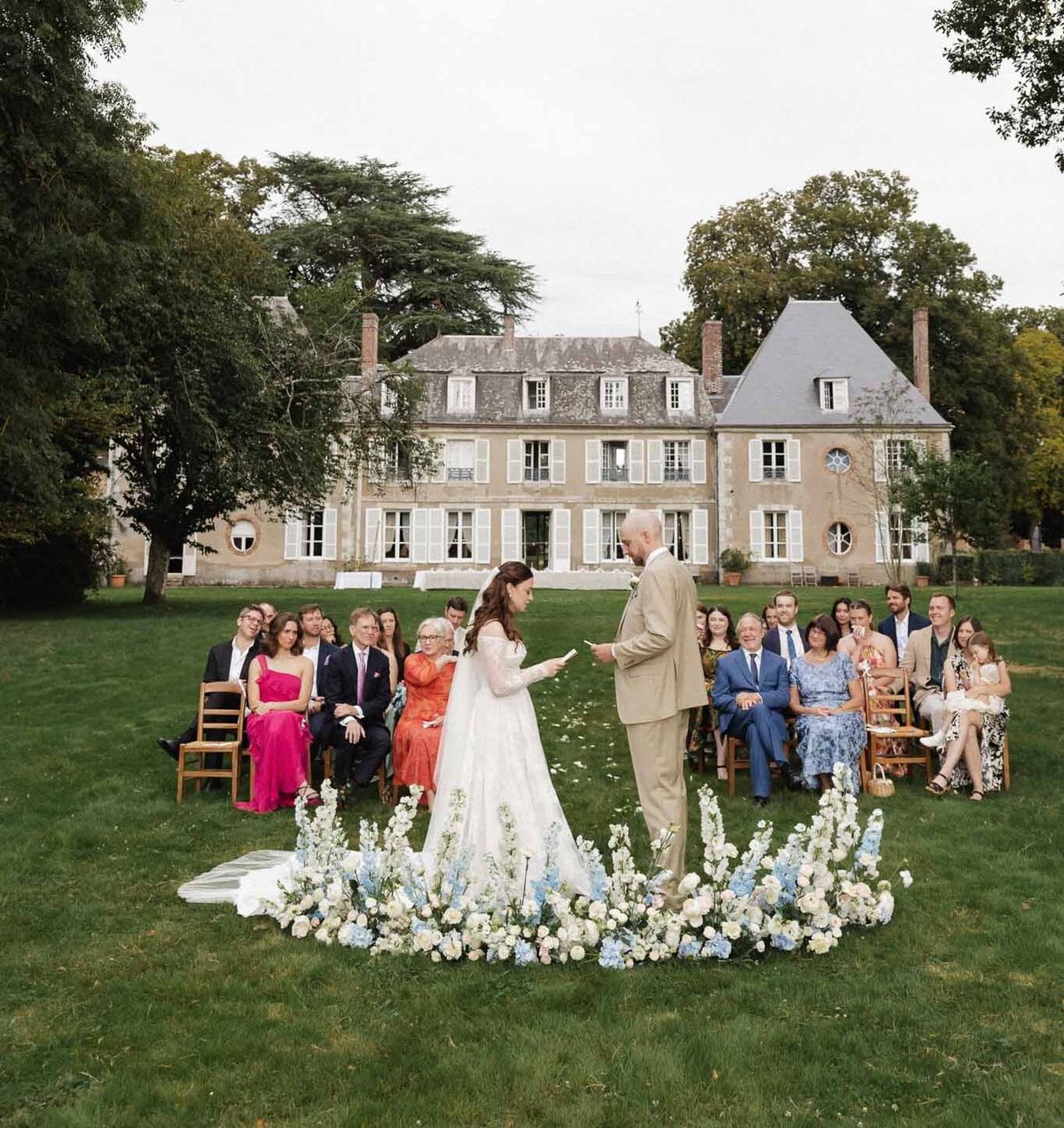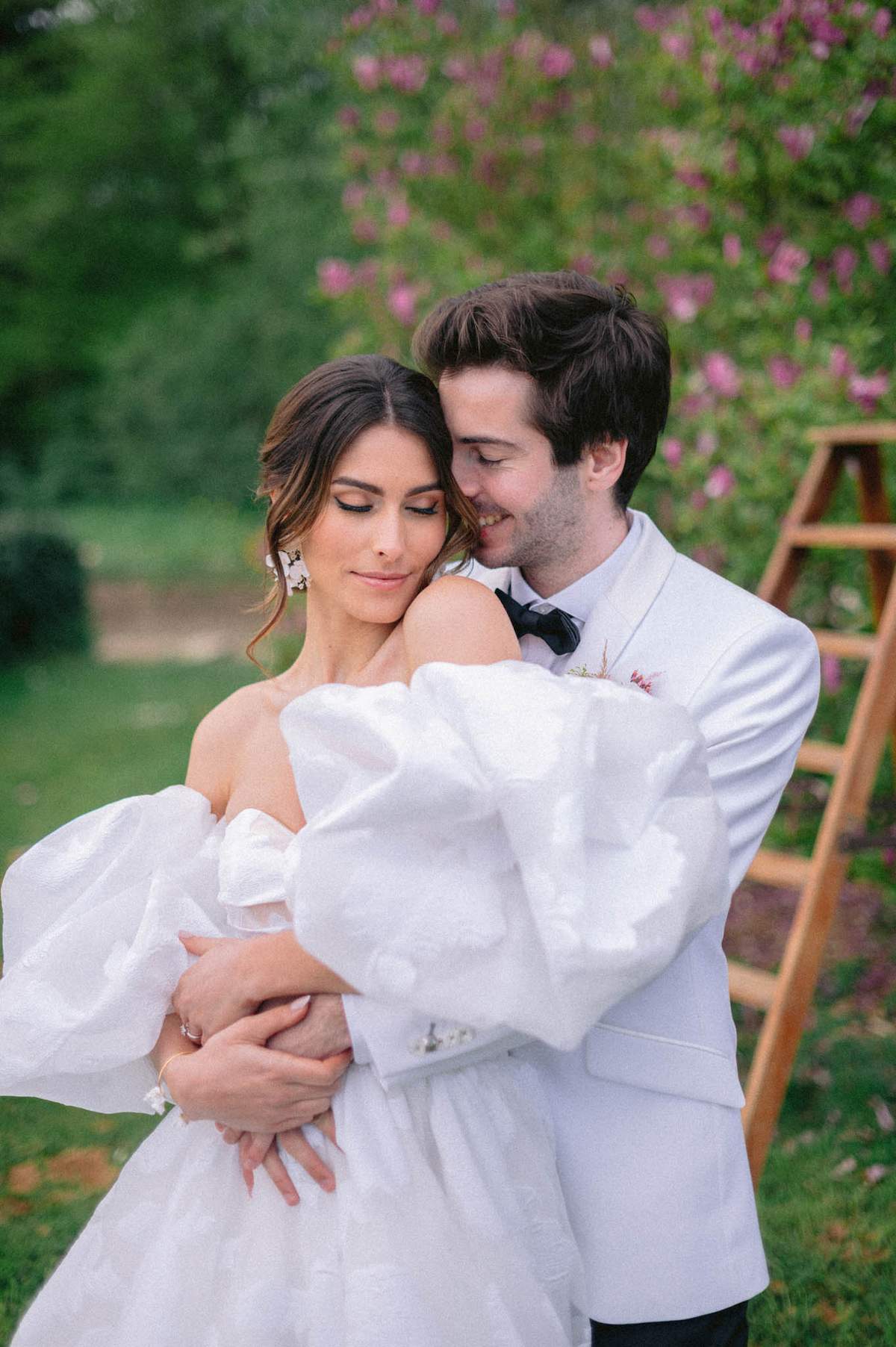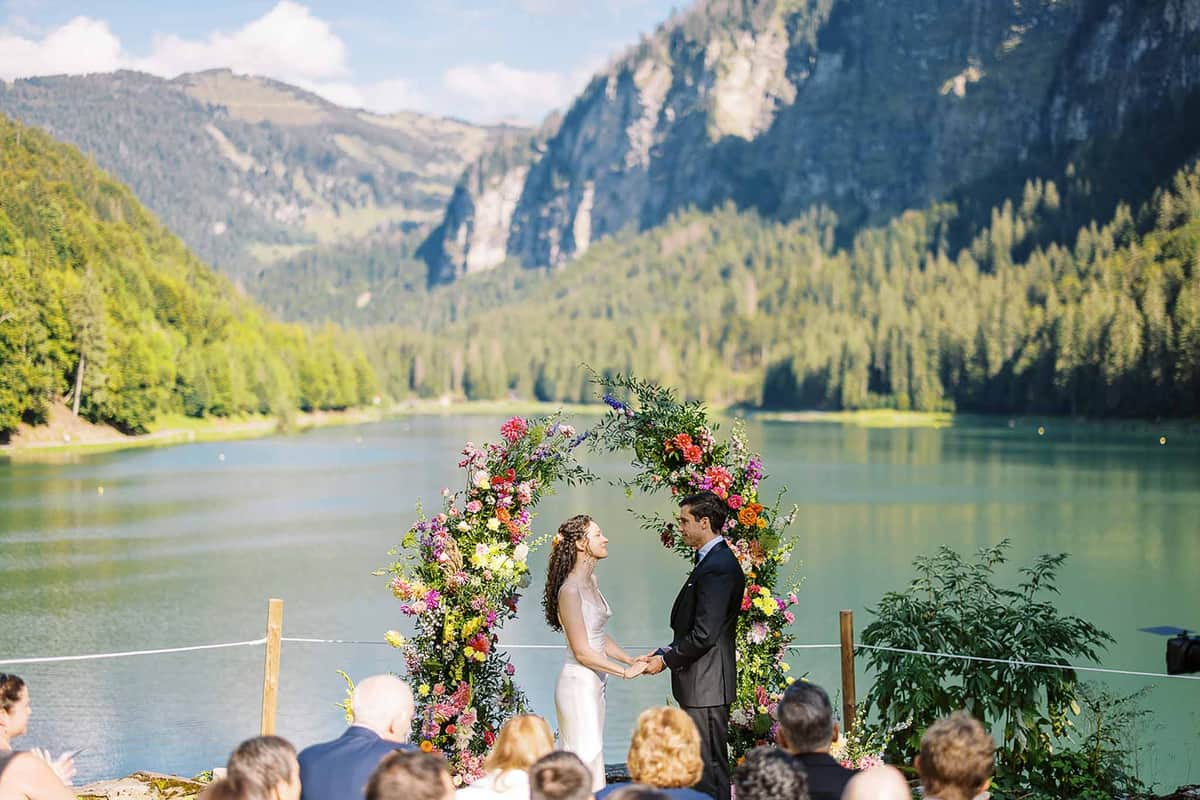

Your wedding ceremony is the heart and soul of the day—the moment it really hits you: this is happening! In France, most destination weddings are symbolic (with the legal stuff sorted back home), which means you’ve got complete freedom to make the ceremony your own. Romantic, personal, totally you. This wedding ceremony guide is here to help you shape it all—full of ideas, timing tips, and inspiration to create something unforgettable. A clear, well-paced timeline keeps things flowing, your guests engaged, and gives every special moment its chance to shine.
Discover the best bilingual celebrants in France
Key Insights
- Most destination weddings in France are symbolic, giving couples the freedom to craft a fully personalized ceremony without legal restrictions.
- A typical French ceremony timeline lasts 25–40 minutes, allowing space for meaningful vows, readings, and rituals without losing guest attention.
- Bilingual ceremonies are common and inclusive, especially for international guest lists—use dual-language officiants or printed programs to keep the flow smooth.
- Popular elements include custom vows, unity rituals, and literary or musical readings, all of which can reflect your story and heritage.
- Timing matters—key moments like the processional, vows, and kiss should be clearly scheduled to avoid confusion and keep your vendors coordinated.
- Comfort and ambiance are crucial, so plan for weather, music cues, and guest experience to make your ceremony both elegant and effortless.
Understanding French Destination Ceremonies
Most couples marrying in France opt for a symbolic ceremony at a château, vineyard, or scenic estate. These are often non-religious, celebrant-led, and fully customizable.
That means:
- There are no legal requirements for what must be included.
- You can incorporate personalized vows, unity rituals, readings, and even multilingual segments.
- The ceremony can be as formal or relaxed as you want, usually lasting 25–40 minutes.
Legal tip: Civil weddings in France can only take place at a town hall (mairie)—usually reserved for French citizens or residents. Most destination couples complete the legal paperwork at home, then hold the celebration in France.
Related article: How to Get Married in France as a Foreigner.
Bilingual Ceremony Considerations
If your guest list includes both French and English speakers, a bilingual ceremony is a thoughtful and inclusive touch. You can approach this in a few ways:
- Dual-language officiant: Choose a celebrant fluent in both languages who can seamlessly alternate or repeat sections.
- Translated readings or vows: Ask your reader to read a passage in one language and offer a translation, or provide printed translations in your programs.
- Pick the language for each moment: For example, do the welcome in French, vows in English, and pronouncement in both.
- Keep it flowing: Rather than translating every word, choose which moments need repetition and which can be summarized.
The goal is to keep the energy warm and flowing—not overly formal or repetitive.
Related article: How to find and Choose a Wedding Celebrant.
Wedding Ceremony Guide: Order of Events
Your wedding ceremony is the heart and soul of the day, and in France—especially in summer—it often begins in the late afternoon, when the sun softens, the heat eases, and everything feels just a little more magical. A 5 pm ceremony works beautifully, but starting around 4:30 pm often gives you that extra bit of breathing room—enough time for cocktails, a relaxed dinner, and an evening that unfolds at the perfect pace.
- 4:00 PM — Guest Arrival
Guests begin arriving at the ceremony site. Light music and infused water or champagne are usually offered. In summer, provide shade or fans, especially if the ceremony is outdoors. - 4:30 PM — Processional (5–7 minutes)
The ceremony begins with the entrance of the wedding party. In France, this typically follows the traditional order: officiant, groom (with or without parents), wedding party, flower girl or ring bearer, and finally the bride, often accompanied by a parent or close family member. - 4:35 PM — Welcome & Opening Remarks (3–5 minutes)
The officiant greets guests, thanks them for traveling, and sets a warm, inclusive tone. Bilingual ceremonies are common—especially if you have French and English-speaking guests. - 4:40 PM — Readings (5–7 minutes)
One or two selected guests deliver a reading. These can be a speech, spiritual, literary, or romantic—tailored to your style. - 4:45 PM — Officiant’s Address (5 minutes)
This is a short, heartfelt message from your celebrant about your journey as a couple and what the commitment of marriage means. - 4:50 PM — Exchange of Vows (5–7 minutes)
Personal or traditional vows are exchanged. This is often the most emotional moment. Destination couples sometimes include a few phrases in French for local flair. - 4:57 PM — Ring Exchange (2–3 minutes)
You exchange rings with a short promise or meaningful phrase. Simple and sweet. - 5:00 PM — Optional Unity Ceremony (3–5 minutes)
If you’re including a symbolic gesture—like lighting a unity candle, blending wines, or tying a handfasting ribbon—this is the perfect moment. - 5:05 PM — Declaration of Marriage & First Kiss (1–2 minutes)
The officiant officially pronounces you married, followed by applause and your first kiss as newlyweds. - 5:07 PM — Recessional (3–5 minutes)
Upbeat music plays as you exit down the aisle. Guests may toss petals, blow bubbles, or cheer. This sets the tone for the celebration ahead. - 5:15 PM — Transition to Cocktail Hour (Vin d’Honneur)
Guests move to the cocktail area for champagne, canapés, and mingling while the couple takes a few final portraits.
Related article : Your Ideal Destination Wedding Timeline
Ideas to Personalize Your Ceremony
One of the best parts of planning a symbolic wedding in France is the flexibility it offers. Without the rigid structure of a legal ceremony, you can truly make the experience your own. These meaningful touches help bring your love story to life and ensure your ceremony feels unique, personal, and memorable.
- Write your own vows
Sharing personal vows—whether poetic, heartfelt, or lighthearted—adds emotional depth to your ceremony. Practice ahead of time, or keep a printed copy to read from. If you’re nervous, alternate a few simple promises in both languages. - Include a unity ritual that reflects your values or heritage
A wine blending, handfasting, or candle lighting ritual can be a beautiful symbol of your union. For French weddings, couples often opt to sip local wine from a shared cup (coup d’amour) as a symbol of their bond. - Create a custom ceremony script with your officiant
Work closely with your celebrant or planner to build a ceremony that flows naturally and reflects your personality and story. You can include welcome remarks, music transitions, or even guest participation moments (like a group vow or blessing).
Final Tips for Your French Wedding Ceremony
Planning a ceremony abroad comes with both freedom and unfamiliar logistics. Whether you’re marrying in a Provençal garden or a Loire Valley château, these final tips will help you create a ceremony that feels heartfelt, inclusive, and easy to follow—for both you and your guests.
- Keep it around 30–45 minutes total
Most French destination ceremonies are symbolic and don’t require legal formalities, so you can skip the longer official segments. Aim for a tight, intentional timeline that keeps the energy focused and emotional without losing attention spans. - Think of comfort
Outdoor ceremonies in France—especially in summer—can get warm quickly. Offer shaded seating, handheld fans, or parasols, and consider a hydration station with infused water or lemonade to keep guests refreshed before the cocktail hour. - Use a printed program for translations
If you’re hosting guests from multiple countries, include a bilingual ceremony program. This helps everyone follow along without the need to repeat every word out loud and keeps the flow natural. - Rehearse the processional and transitions
A quick rehearsal before the big day ensures everyone knows where to walk, stand, and pause. Whether it’s your celebrant, planner, or MC leading it, a walkthrough will avoid awkward pauses and make the ceremony feel polished but natural. - Plan for meaningful music
Music cues can elevate key moments—processional, vows, recessional. Whether you choose live musicians or a curated playlist, make sure your celebrant or planner knows when each track should play. - Be present
The timeline keeps things moving, but don’t forget to pause, breathe, and take it all in. Let the schedule work for you—not the other way around—so you can enjoy the laughter, the tears, and the moment you say “I do.”
Wedding Ceremont Guide: Why Timeline Matters
Your ceremony is more than just a formality—it’s the emotional foundation of your wedding day. Especially in France, where most destination weddings are symbolic, having a clear, thoughtfully paced timeline allows you to fully shape the experience into something personal, inclusive, and memorable. From the first notes of the processional to your final kiss as newlyweds, a well-structured ceremony ensures that every moment has space to shine without feeling rushed or overly scripted.
With a bit of planning, a bilingual celebrant (and printed program), and a ceremony tailored to your love story, your guests will feel connected, your vendors will stay in sync, and you’ll have the freedom to be fully present. Whether it’s a lavender-scented garden in Provence or a château courtyard in the Loire, the right timeline helps you savor every second—and begin your celebration on a beautiful, intentional note.