

Your Ideal Destination Wedding Timeline

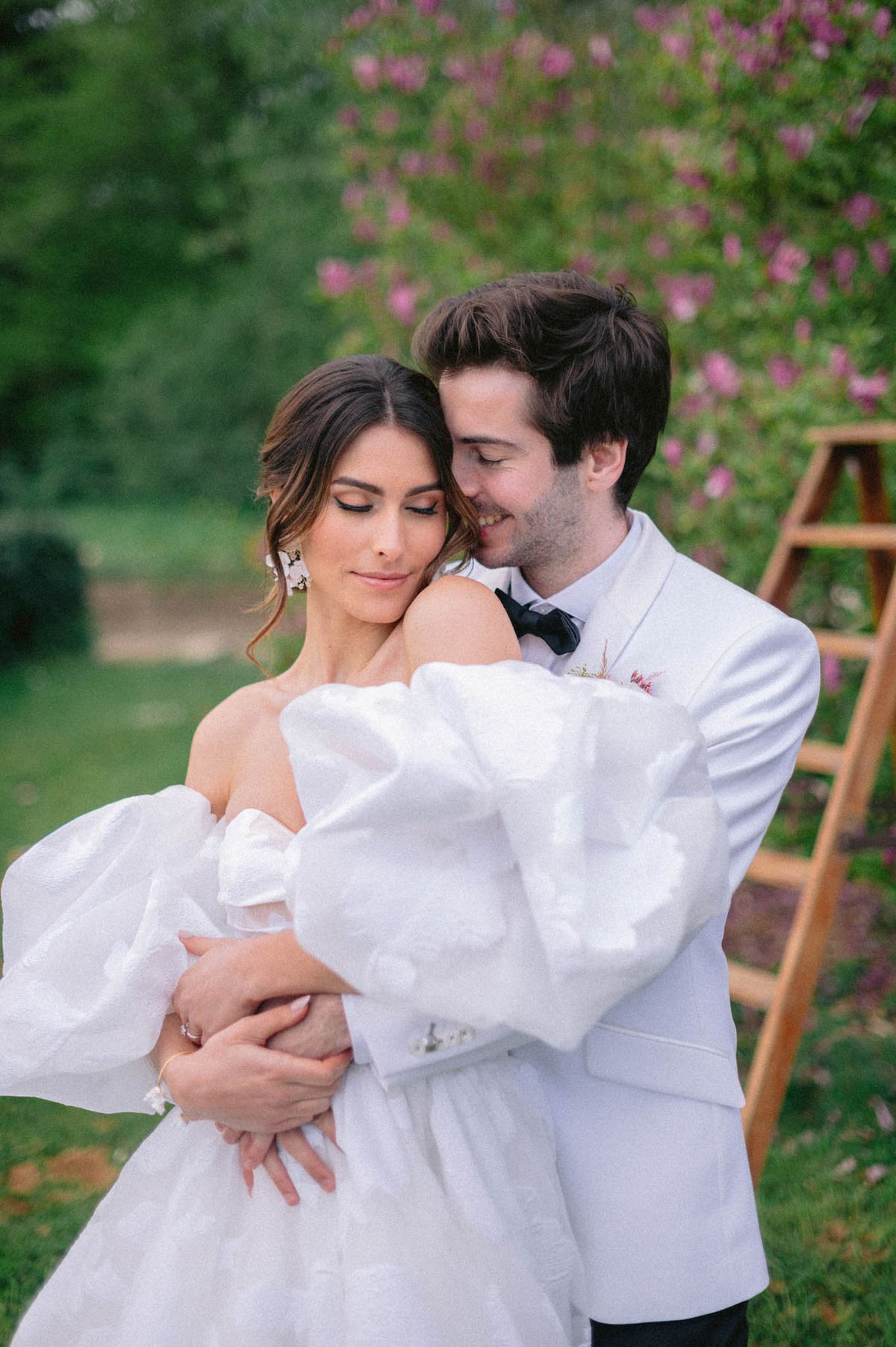
The ring sparkles on your finger, your heart is full of dreams, and you’ve chosen to celebrate your love in France - what an exciting time! While planning a destination wedding might seem overwhelming right now, don’t worry. Breaking down your destination wedding timeline into manageable steps makes the process both enjoyable and achievable. As you embark on creating your perfect French celebration, we’ve organized this comprehensive timeline and checklist to guide you through each phase - from venue selection to your final “oui!” Whether you’re envisioning a château celebration or a Provençal vineyard reception, this guide will help you transform your wedding dreams into beautiful memories.
Key Insights
- Start Early: Begin planning 12 - 18 months in advance to secure your dream venue and top vendors.
- Hire Local Experts: A French wedding planner with regional knowledge and bilingual skills is invaluable for smooth coordination.
- Understand Legalities: Many couples opt for a legal ceremony at home followed by a symbolic wedding in France.
- Prioritize Guest Experience: Clear communication, travel guidance, and multi-day events make your wedding memorable for everyone.
- Fine-Tune the Details: From floral design to RSVPs, every element should reflect your chosen region and personal style.
- Embrace the French Timeline: Expect later dinners, extended cocktail hours, and celebrations that last well into the night.
8 - 12 Months Before Your Destination Wedding: Getting Started
The first stage of planning your wedding in France sets the tone for everything that follows. This is the time to dream big, establish your budget, and make the key decisions that will shape your celebration. By starting early, you’ll have the best chance of securing your dream venue, hiring the most sought-after vendors, and ensuring every detail comes together smoothly.
How Soon Do You Plan a Destination Wedding?
Begin your planning 12 - 18 months in advance to secure the essentials and avoid last-minute stress.
- Start by creating a clear vision for your wedding style, location, and guest experience.
- Set a realistic budget that includes venue rental, vendor fees, travel costs, and guest accommodations.
- Research and shortlist venues that match your vision - popular châteaux and premium wedding locations in France can book up more than a year ahead.
- Begin compiling a list of potential vendors such as photographers, caterers, and florists to ensure availability.
- Factor in time for international logistics, including travel arrangements, legal paperwork, and shipping items if needed.
How to Choose Between Destination Wedding Planners
Selecting the right planner is one of the most important decisions for a seamless celebration in France.
- Look for a planner with proven expertise in your chosen region of France.
- Prioritize those with strong relationships with reputable local vendors, ensuring access to the best resources.
- Confirm that they have experience managing destination weddings and understand cultural differences.
- Ensure they are fluent in both English and French to bridge any language gaps with vendors or venues.
- Choose someone who communicates clearly, responds promptly, and feels like a trusted partner in your planning journey.
What is the Legal Alternative to Marriage in France?
Understanding French marriage laws early will save you time and stress.
- France has strict residency requirements for legal marriages, which can be difficult for international couples to meet.
- Many couples marry legally in their home country first, then hold a symbolic ceremony in France.
- A symbolic ceremony offers flexibility, allowing you to focus on the romantic setting and personalizing your vows.
- This approach ensures you avoid complex legal hurdles while still enjoying a quintessentially French wedding experience.
How to Decide on a Destination Wedding Location
Your venue choice will influence the entire feel of your wedding and your guests’ experience.
- Explore different regions of France, from the glamour of Paris to the charm of Provence or the elegance of Bordeaux vineyards.
- Consider guest logistics, including travel routes, nearby airports, and local accommodation options.
- Factor in seasonal weather - spring and summer are peak wedding seasons, and popular venues can book two years in advance.
- Review each venue’s policies, such as exclusive-use options, noise restrictions, and included services.
- Ensure the venue reflects your wedding vision, whether that’s a historic château, a luxury villa, or a chic city hotel.
!wedding planning checklist and timeline
13 - 9 Months Before Your Wedding: Building Your Dream Team
This stage is all about assembling the professionals who will bring your French wedding vision to life. From photographers and caterers to florists and designers, choosing the right vendors ensures every detail reflects your style and creates an unforgettable experience for you and your guests.
How to Choose a Destination Wedding Vendor
Your vendor team will define the look, feel, and flow of your wedding day.
- Select a photographer experienced in French weddings who understands the unique lighting, architecture, and landscapes.
- Look for portfolios that showcase both candid emotional moments and the grandeur of iconic French settings.
- Prioritize caterers who specialize in French cuisine and can incorporate your personal preferences into the menu.
- Seek vendors who communicate well in English and French to ensure smooth coordination.
- Read reviews and request references to confirm each vendor’s reliability and experience with destination weddings.
How to Choose a Wedding Design
Your wedding design should enhance the natural beauty and culture of your chosen location in France.
- For Provence, embrace lavender, olive branches, and rustic textures for a romantic countryside feel.
- In Paris, opt for timeless elegance with refined floral arrangements, chic tableware, and classic décor elements.
- Collaborate with your florist to choose seasonal blooms, which are often fresher and more cost-effective.
- Use local cultural details - like regional motifs or traditional calligraphy - to elevate your stationery design.
- Align your design choices with your venue’s existing aesthetic to create a cohesive and immersive experience.
!wedding timeline
How to Communicate with Wedding Guests
Clear communication helps guests feel prepared and excited for your destination wedding celebration.
- Send save-the-dates 10 - 12 months in advance with details on location, travel tips, and accommodations.
- Create a wedding website that includes local attractions, transportation guides, and cultural etiquette tips.
- Provide bilingual information (English and French) for key documents, signage, and event details.
- Share packing recommendations or local insights to help guests make the most of their trip.
- Keep guests updated as plans evolve, ensuring they feel supported throughout the entire process.
8 - 6 Months Before Your Wedding: Fine-Tuning the Destination Experience
With the big decisions made, this is the stage where you refine the details that will make your French wedding unforgettable. From sending out invitations to planning guest experiences and finalizing your bridal look, these months are all about transforming your plans into a polished, personal celebration.
Sending Your Wedding Invitations
Clear and timely communication with your guests is key to a smooth destination wedding.
- Send save-the-dates 10 - 12 months in advance to help guests secure travel and accommodations.
- Mail formal invitations 4 - 6 months before the wedding with detailed information on events and locations.
- Include RSVP instructions with clear deadlines to finalize headcounts for vendors and activities.
- Provide accommodation suggestions or room blocks for a seamless guest experience.
- Add travel tips and a link to your wedding website to keep everything organized in one place.
How to Plan a Three-Day Wedding
Turn your wedding into an immersive French experience by extending the celebration.
- Begin with a relaxed welcome dinner featuring local cuisine and wine to greet your guests.
- Organize region-specific activities, such as wine tastings in Bordeaux, cooking classes in Paris, or boat tours on the French Riviera.
- Plan a casual day-before event to allow guests to mingle and settle in before the big day.
- Incorporate cultural elements like music, food, or traditions unique to your chosen region.
- End the festivities with a farewell brunch or casual gathering to thank guests for joining your celebration.
What to Wear to a French Wedding
Your wedding attire should reflect both your personal style and the setting.
- Choose fabrics that suit the season - light, breathable materials for summer or richer textures for cooler months.
- Coordinate hair and makeup trials with venue visits to ensure your style aligns with the climate and environment.
- Select accessories that complement your location, from elegant veils for Parisian soirées to floral crowns for rustic Provençal celebrations.
- Consider backup options for unexpected weather, such as shawls or umbrellas for outdoor weddings.
- Work with your bridal stylist or planner to ensure your look is cohesive with the overall aesthetic of your wedding.
5 - 3 Months Before Your Wedding: Finalizing Details
As your wedding day draws closer, it’s time to focus on the finer details that will ensure a seamless and memorable experience for both you and your guests. From creating warm welcomes to managing timelines and RSVPs, this stage is all about preparation and precision.
How to Make Guests Feel Welcome at a Wedding
Thoughtful touches will make your guests feel at home and excited for your celebration.
- Create welcome packages with local maps, emergency contact details, and event schedules.
- Include curated recommendations for restaurants, cafés, and regional attractions.
- Add a small French-inspired gift, such as local treats or wine, to set the tone for the celebration.
- Provide basic French phrases or cultural tips to help international guests feel comfortable.
- Arrange group transportation for the wedding day and planned activities to simplify logistics.
What Time Do French Weddings Start?
Understanding the French wedding timeline ensures smooth coordination for all involved.
- Work with your planner to create a detailed schedule for the day’s events.
- Expect later start times - dinners often begin around 8:00 PM, with celebrations running late into the night.
- Factor in extended cocktail hours and multi-course French dining into your timeline.
- Share the schedule with vendors to ensure timely setups for flowers, cake delivery, and décor.
- Communicate the timeline with guests in advance so they can plan accordingly.
RSVP Responses
Timely RSVPs are crucial for confirming final numbers with vendors and organizing guest logistics.
- For destination weddings, set RSVP deadlines 8 - 10 weeks before the wedding.
- For local weddings, a 6 - 8 week RSVP window is usually sufficient.
- Track responses carefully to coordinate seating arrangements and catering requirements.
- Send friendly reminders to any guests who haven’t responded by the deadline.
- Use RSVP data to finalize guest welcome packages, transportation, and activity planning.
2 - 1 Months Before Your Wedding: Final Preparations
The final weeks before your wedding in France are all about tying up loose ends and ensuring every element is in place. This stage focuses on organizing legal paperwork, finalizing vendor details, and confirming logistics so you can arrive in France feeling calm and confident.
What Paperwork Do You Need to Get Married in France?
Proper documentation is essential, especially if you plan to have a legal ceremony.
- Collect and organize all required documents, such as birth certificates, passports, and proof of residence if applicable.
- Arrange for official translations of necessary paperwork into French by a certified translator.
- Submit any required documents to French authorities within the designated timeframe.
- Prepare digital and printed copies of all contracts, confirmations, and contact details for easy reference.
- Plan for international transfer fees and currency conversions when making final vendor payments.
Final Confirmations
Double-checking every detail ensures a stress-free celebration.
- Review your full wedding schedule with your planner, including ceremony timing and reception flow.
- Confirm vendor arrival, setup times, and breakdown arrangements for smooth coordination.
- Verify final menu selections, décor details, and any last-minute requests with your suppliers.
- Reconfirm guest transportation and guest accommodation arrangements to avoid logistical issues.
- Share an updated, detailed timeline with your vendor team and wedding party so everyone is aligned.
!wedding planning timeline
Wedding Week: Guests Arrive and the Fun Begins
The week of your wedding is when all your planning comes to life. Arriving early gives you time to settle in, connect with vendors, and welcome your guests in true French style. From final venue checks to a perfectly orchestrated wedding day, this is your chance to soak up every unforgettable moment.
Arrival and Setup
Arriving a few days early ensures a smooth start to your wedding celebrations.
- Plan to arrive in France several days before the wedding to recover from travel and avoid jet lag.
- Schedule a final walkthrough of your venue with your planner and vendors.
- Confirm last-minute details with key suppliers, including florals, catering, and rentals.
- Take this time to adapt to the local time zone and relax before the festivities begin.
- Host a welcome event to greet early-arriving guests and introduce them to the charm of your chosen region.
Wedding Day: Destination Wedding Timeline
Your wedding day is all about joy, elegance, and unforgettable French flair.
- Trust your planner and vendor team to manage the logistics so you can focus on the experience.
- Embrace the celebratory spirit of French weddings, which often run later and feel more relaxed than traditional timelines.
- Share a detailed schedule with vendors and your wedding party to ensure everything flows smoothly.
The Ceremony (4:30 PM - 5 PM)
Start your day with a meaningful ceremony set against a stunning French backdrop.
- Invite guests to arrive by 4:00 PM, with the ceremony beginning at 4:30 PM.
- Allow flexibility for late arrivals, especially in summer when ceremonies may start closer to 5:00 PM.
- Plan for 20 - 30 minutes for non-religious ceremonies or up to an hour for religious ones.
Cocktail Hour (5 PM - 7 PM)
Celebrate with a true French “vin d’honneur,” a highlight of every wedding in France.
- Offer champagne and gourmet nibbles for a luxurious start to the evening.
- Extend cocktail hour to two hours to allow guests to mingle and enjoy the relaxed atmosphere.
- Consider live entertainment, such as musicians or performers, to elevate the experience.
Grand Entrance & Dinner/Reception (7:30 PM - 11 PM)
Transition into an evening filled with fine dining and heartfelt moments.
- Make a memorable grand entrance with your new spouse.
- Serve a multi-course French dinner, allowing guests plenty of time to savor the cuisine.
- Schedule toasts during dinner for an intimate, meaningful atmosphere.
Couple’s Golden Hour Portraits (8 PM - 8:30 PM)
Capture your most romantic photos in the perfect French light.
- Take advantage of the late summer sunsets and soft golden-hour glow.
- Step away briefly while guests are seated for dinner to enjoy an intimate photo session.
Cake Cutting & The Party Begins (11 PM - 1 AM)
End the night with French tradition and lively celebration.
- Begin the cake-cutting ceremony at 11 PM, often accompanied by music or sparklers.
- Start the dancing with a first dance, or follow the traditional French custom of a father-daughter dance first.
- Keep the party going into the early hours with music, laughter, and plenty of champagne.
Wedding Week: Guests Arrive and the Fun Begins
The long-awaited week of your wedding has arrived! This is when all the planning pays off and the excitement truly begins. Arriving in France ahead of time allows you to finalize the last details, connect with vendors, and welcome your guests as they settle in for an unforgettable celebration.
Arrival and Setup
Arriving a few days early sets the stage for a stress-free and joyful wedding week.
- Plan to arrive in France several days before your wedding to recover from travel and adjust to the local time zone.
- Conduct a final walkthrough of your venue with your planner to review layouts and confirm logistics.
- Meet with key vendors - such as your florist, caterer, and photographer - to finalize details in person.
- Prepare welcome packages and have them delivered to guest accommodations in advance.
- Host a welcome event, such as a relaxed dinner or cocktail gathering, to greet early arrivals and immerse them in the French experience.
Destination Wedding Timeline: Final Thoughts
Find your planner
Once you know what you are looking for, browse our curated edits of the planners our editors trust across France and the regions couples most often plan for.
Related Posts
More about Wedding Planning
Planning a Destination Wedding in France?
Our complete guide covers everything from choosing a region to the morning-after breakfast.
Read the Complete Guide