

Types of Wedding Ceremonies: Exploring Different Traditions

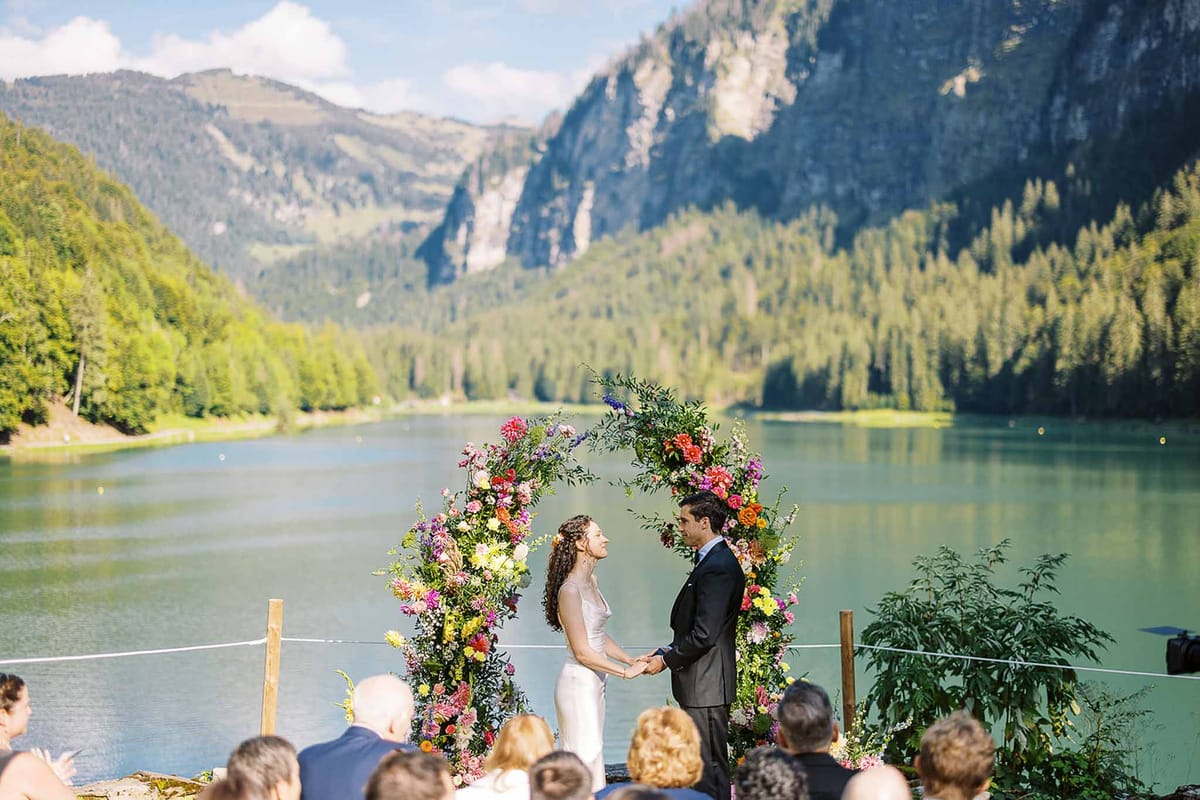
If you’ve ever dreamed of a truly romantic wedding, France is hard to beat. The best part? There are so many ways to celebrate. From traditional religious services to civil weddings, intimate elopements, or fully personalized symbolic ceremonies, the variety of wedding ceremonies in France means you can create a day that’s completely “you.
For destination weddings, most couples go for a symbolic ceremony - since the legal part has to happen at a French town hall (or back home). That means you get to get really creative and make it meaningful, whether that’s a classic Catholic wedding in a centuries-old cathedral or a poetic garden ceremony with a celebrant. In this guide, we’ll take you through the most popular types of weddings in France, what each one involves, and help you figure out which vibe suits your love story best.
Related article: Ceremony Guide - From Vows to Timing
Key Insights
- A civil ceremony at the mairie is required for any legal marriage in France.
- Symbolic ceremonies in France are ideal for destination couples who’ve married legally elsewhere.
- Traditional religious weddings in France offer deep meaning but must follow a civil marriage.
- Celebrant-led and humanist ceremonies give full freedom to personalize your vows and format.
- Cultural and themed ceremonies in France allow couples to fuse heritage, style, or story.
- Elopements and micro-weddings in France offer intimate, scenic alternatives with low stress.
Legally Recognized Ceremonies in France
A civil ceremony at the local mairie (town hall) is the only legally recognized form of marriage in France, and it must occur before any religious or symbolic celebration can take place.
- Mandatory for legal marriage: All couples marrying in France - regardless of religion or nationality - must first complete a civil ceremony at the mairie.
- Requirements: At least one partner typically needs to have French residency or strong local ties (e.g. family property). You’ll need to submit documents like birth certificates (translated into French), proof of domicile, and a certificate of celibacy.
- What to expect: The ceremony is short (about 20 minutes), conducted in French by the mayor or a civil registrar. It’s usually held in a formal room at the mairie with a small group of witnesses and guests. After the exchange of vows and signing of the register, you’re officially married in the eyes of French law.
Religious Ceremonies in France
Religious ceremonies - whether Catholic, Orthodox, or Jewish - are rich in symbolism, tradition, and community connection. These weddings are typically held in churches, synagogues, or sacred spaces, and often involve collaboration with religious leaders from your home country if you’re marrying abroad.
Catholic Wedding Ceremony in France
A Catholic wedding in France is a deeply traditional and sacramental celebration, typically held in a historic church or cathedral. It must be preceded by a civil marriage at the mairie, as required by both French law and the Church. The ceremony often includes Mass, scripture readings, prayers, and the exchange of sacramental vows. Couples will need to provide baptismal certificates, proof of civil marriage, and complete premarital counseling or preparation with a priest - often arranged through their home parish if marrying abroad.
Orthodox Wedding Ceremony in France
Orthodox weddings in France typically follow a civil marriage and are held in an Orthodox church with an ordained priest. The ceremony is rich in ritual and symbolism, featuring elements like the crowning of the couple, incense, shared wine, and multiple blessings. Services may be conducted in French, Greek, Russian, Romanian, or another language depending on the couple’s tradition. It’s a spiritually significant and visually powerful celebration, emphasizing unity and divine blessing.
Jewish Wedding Ceremony in France
Jewish weddings in France often follow a civil ceremony and include traditions like signing the ketubah, standing under the chuppah, and reciting the seven blessings (Sheva Brachot). Ceremonies may be traditional, liberal, or interfaith, depending on the couple’s background and community. Especially popular among couples with French-Jewish heritage or international Jewish families, these ceremonies blend deep spiritual meaning with joyful celebration.
Symbolic Ceremonies
Symbolic ceremonies are the heart of most destination weddings in France. Since many international couples complete their legal marriage at home, these non-binding celebrations offer the freedom to craft a wedding that feels entirely your own.
Celebrant-Led Symbolic Ceremony in France
Perfect for destination weddings, celebrant-led ceremonies are non-legally binding and entirely customizable. They’re ideal for couples who’ve completed legal formalities at home and want a meaningful celebration in a dream setting.
- Fully personal and non-religious, led by a professional celebrant.
- Often held in scenic locations like vineyards, gardens, or châteaux.
- A popular choice for international couples seeking flexibility and emotional impact.
Related: The Best Wedding Celebrants in France
Humanist Wedding Ceremony in France
A humanist ceremony offers a deeply personal and secular alternative to traditional weddings. It focuses on shared values, love, and community, making it ideal for couples who want a heartfelt, non-religious celebration.
- Emphasizes human connection and meaning over religious rituals.
- Often features poetry, readings, and custom-written vows.
- Celebrated in outdoor venues, private estates, or anywhere meaningful to the couple.
Commitment Ceremony in France
A commitment ceremony is perfect for couples who want to celebrate their love publicly without entering a legal marriage. These ceremonies are flexible, intimate, and emotionally meaningful.
- Suits couples who can’t or choose not to marry legally.
- Can mirror a traditional wedding with vows, rings, and rituals.
- Often held in destination venues like gardens, vineyards, or private homes.
Cultural and Personalized Ceremony Styles
Many international couples are choosing to infuse their day with culture, symbolism, or personal flair - whether that means blending faiths, honoring heritage, or designing a themed celebration that tells their story. These ceremony styles are especially suited to symbolic weddings, where the format is flexible and creativity has no limits.
Interfaith Wedding Ceremony in France
An interfaith wedding ceremony blends two religious or cultural traditions into a shared, respectful celebration. These ceremonies are often symbolic and tailored to the couple’s values.
- Thoughtfully combines elements from both faiths.
- Common pairings include Jewish-Christian, Catholic-Muslim, or Hindu-secular.
- May involve two officiants, alternating rituals, or combined blessings.
Intercultural Wedding Ceremony in France
An intercultural ceremony weaves together the couple’s cultural backgrounds into a unified and meaningful celebration. These weddings often reflect global love stories and shared heritage.
- Fuses customs, attire, and languages from both families.
- Popular elements include bilingual scripts, traditional dress, and symbolic rituals.
- Ideal for multicultural couples looking to honour both identities in one experience.
Themed or Alternative Wedding Ceremonies in France
These ceremonies are for couples who want to break the mold and tell a visual or emotional story through their celebration.
- Popular themes include Disney fairytale, Marie Antoinette elegance, bridgerton garden parties, or Provençal market vibes.
- Often held in castles, private estates, or picturesque outdoor settings that match the concept.
- May feature period costumes, symbolic rituals, or fantasy-style styling with florals, music, and props.
- Perfect for adding drama, nostalgia, or playful romance to your symbolic ceremony.
- Flexible in format - ideal for celebrant-led or commitment ceremonies where imagination leads the way.
Intimate and Elopement Ceremonies
Elopement Wedding Ceremony in France
For couples seeking intimacy, simplicity, and breathtaking backdrops, eloping in France offers a deeply romantic alternative to a large wedding.
- A private, symbolic ceremony, usually involving just the couple, a celebrant, and a photographer.
- No legal stress - most couples complete the civil paperwork in their home country before or after.
- Popular elopement spots include the cliffs of Étretat, lavender fields in Provence, Paris rooftops, or Château gardens.
- Often paired with a honeymoon, making it a low-stress, high-impact experience.
- Perfect for couples who want a meaningful, cinematic moment without the pressure of a big guest list.
Minimony or Micro-Wedding in France
Perfect for couples who want to celebrate with just their nearest and dearest, minimonies and micro-weddings offer intimacy without sacrificing impact.
- Typically 5 - 20 guests, allowing for a deeply personal atmosphere.
- Held in charming locations like Provençal estates, private terraces, or boutique hotels.
- Blends personal vows, symbolic rituals, and a relaxed, elegant celebration.
- Easier to plan abroad, with lower costs and more flexibility than large weddings.
- Ideal for destination weddings with close family or as a prelude to a larger event later.
Vow Renewal Ceremonies in France
Vow renewals are a heartfelt way to celebrate a milestone, rekindle your commitment, or simply relive your love story in a romantic setting.
- Not legally binding, so the format is fully flexible and personalized.
- Ideal for anniversaries, second honeymoons, or destination celebrations later in life.
- Popular with older couples looking to mark decades of marriage in a meaningful way.
- Can be held in châteaux, lavender fields, vineyards, or seaside chapels.
- Often includes renewed vows, a symbolic ritual, and a relaxed reception with loved ones.
Choosing the Right Type of Wedding Ceremony for You
Your wedding ceremony should feel like you - whether that means romantic and traditional or offbeat and deeply personal. In France, where symbolic ceremonies are common, you have the freedom to craft a celebration that reflects your beliefs, background, and relationship.
Here’s how to narrow it down:
- Start with your values: Do you want a spiritual, secular, or religious tone?
- Consider your legal needs: If you’re not a French resident, a civil ceremony at the mairie may need to be done in your home country.
- Think about guest expectations: Bilingual, multicultural, or familiar traditions might help guests feel included.
- Decide how formal you want it: From barefoot in lavender fields to a grand cathedral mass - France can do both.
- Reflect on your heritage: Interfaith, intercultural, or themed ceremonies can be powerful ways to honor your background.
Ultimately, the right ceremony is the one that feels meaningful to you both. Whether it’s two people and a celebrant on a Paris rooftop, or a joyful lavender field in Provence - there’s no wrong way to say I do.
Conclusion
No matter your beliefs, background, or wedding vision, France offers a ceremony style to match. Whether you dream of walking down the aisle in a centuries-old church, blending cultures under the open sky, or exchanging vows privately among the lavender fields, there’s space here to celebrate love in your own way.
What matters most is that your ceremony feels true to you - rooted in your values, styled to your taste, and shared with the people who matter. With so many traditions, formats, and locations to choose from, France is more than just a beautiful destination - it’s a canvas for your most personal celebration.
Find your planner
Once you know what you are looking for, browse our curated edits of the planners our editors trust across France and the regions couples most often plan for.
Related Posts
More about Wedding Planning
Planning a Destination Wedding in France?
Our complete guide covers everything from choosing a region to the morning-after breakfast.
Read the Complete Guide