

Mastering the Art of the French Wedding Seating chart

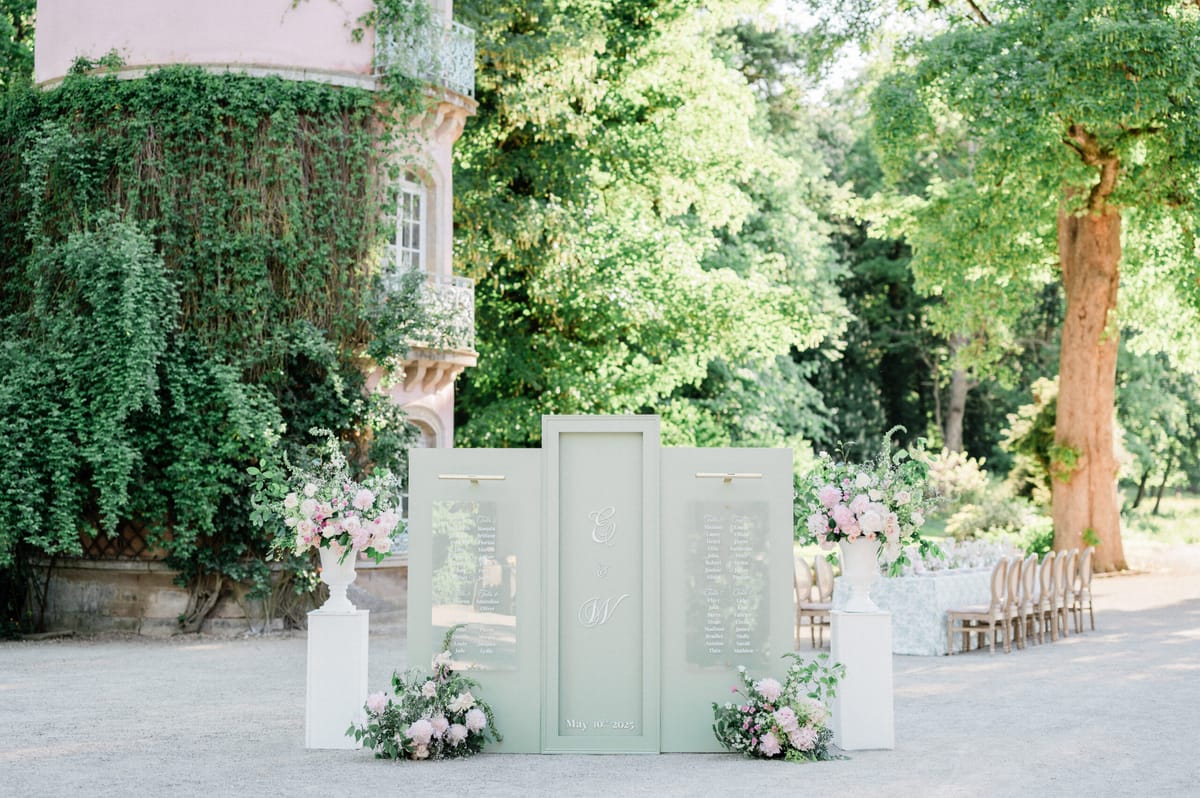
Creating your wedding seating chart might not be the most exciting part of planning your big day, but it’s definitely one of the most helpful. A thoughtful layout makes sure your guests feel comfortable, included, and know exactly where to go (no awkward wandering!). Whether you’re planning a chic château wedding in France or a laid-back celebration under the stars, this little guide is here to help you navigate the etiquette, the French traditions, and clever tricks to make your seating chart work beautifully for everyone.
Key Insights
- A seating chart is essential for weddings with over 50 guests, ensuring flow, clarity, and comfort.
- French weddings typically assign seats, reflecting both tradition and thoughtful hospitality.
- Start with a final guest list and your venue layout to build a functional and guest-friendly plan.
- Respect family dynamics by seating divorced parents or stepfamilies with sensitivity and balance.
- Avoid awkward situations by mixing singles, plus-ones, and strangers with care and intention.
- Use clear signage and alphabetical listings to make your seating display easy to navigate on the day.
Do You Need a Seating Chart at Your Wedding?
While it might seem like a formality, a seating chart is more than just a decorative display - it’s a tool for creating comfort, avoiding confusion, and managing flow during your wedding reception. Whether you’re planning a grand château affair or an intimate garden celebration, understanding when to use a seating plan (and how it fits into French wedding tradition) can make all the difference.
When a Seating Plan Is Essential
If you’re hosting more than 50 guests, a seating chart isn’t just helpful - it’s essential. It helps avoid chaos during the meal, ensures VIPs and elderly guests are comfortably placed, and gives everyone a clear sense of where to go. For sit-down dinners, plated courses, or venues with tight layouts, a well-planned chart keeps everything running smoothly and stress-free.
French Wedding Customs Around Seating
In France, assigned seating is the norm - especially for formal weddings. Couples typically create a table plan (“plan de table”) showing guests exactly where they’ll be seated, often displayed at the entrance of the reception. It’s not just about logistics; it reflects thoughtfulness and respect, especially when accommodating family dynamics or long-standing etiquette around seating elders, parents, and honored guests.
How to Create Your Wedding Seating Chart
Crafting your seating chart can feel overwhelming, but it becomes much more manageable when you break it down into logical steps. With a clear overview of your guests and space, plus a flexible approach to planning, you’ll be able to build a layout that keeps everyone comfortable and connected.
Start with Your Guest List and Venue Layout
The foundation of your seating chart is a finalized guest list and a clear understanding of your venue’s layout. Request a floor plan from your venue and mark out key elements like the dance floor, entrances, and any fixed features. This ensures you can place tables in a way that feels natural and accessible.
Choosing Table Shapes and Sizes
The shape and size of your tables affect how many guests you can seat - and how they interact. Round tables work well for conversation and balance, while long rectangular tables offer a more communal feel. Your decision will depend on your space, guest count, and the overall atmosphere you’re aiming for.
Tools and Methods for Mapping It Out
Whether you use a Google Sheet, a printed floor plan with sticky notes, or simple sketching tools, choose a method that lets you visualize and adjust easily. Digital spreadsheets are great for tracking guest groups and categories, while visual plans help you see flow and spacing at a glance. Keep it flexible - you’ll likely reshuffle a few times before finalizing.
Key Seating Etiquette and Traditions
Seating may seem like a logistical task, but it also carries cultural and emotional weight - especially when family dynamics are involved. While traditions can serve as a helpful guide, modern weddings call for flexibility, empathy, and a focus on guest comfort.
Who Sits at the Head Table?
Traditionally, the head table features the newlyweds flanked by their wedding party. Some couples include plus-ones, siblings, or close friends, while others opt for a private sweetheart table. There’s no strict rule - what matters most is who you feel most connected to on the day.
Where Do Parents and Close Family Go?
Parents, grandparents, and immediate family members are usually seated near the head table, often at a dedicated family table with a clear view of the action. In more formal settings, parents may be seated together. In modern French weddings, each set of parents might also host their own table with close relatives and friends.
What to Do in Tricky Situations (Divorces, Exes, New Partners)
Delicate family dynamics require thoughtful planning. If parents are divorced or remarried, consider separate but equally positioned tables to avoid discomfort. Keep new partners in mind too - acknowledge them respectfully without creating tension. The goal is to make everyone feel included while minimizing awkwardness.
Grouping Guests Thoughtfully
Once you’ve placed your immediate family and wedding party, it’s time to consider the rest of your guest list. The key to great groupings? Think about comfort, familiarity, and conversation flow. A thoughtful seating chart makes guests feel welcome - even if they don’t know many others.
Friends, Colleagues, and Plus-Ones
Try to group guests by shared history or connection - college friends, workmates, or mutual hobbies. When possible, seat plus-ones with their partners rather than at separate tables. If someone doesn’t know many other guests, place them near friendly, sociable people who will help them feel at ease.
Avoiding Awkward Tables (Singles, Strangers, Mismatches)
Steer clear of obvious “singles” tables or placing someone at a table full of couples. Instead, mix in single guests naturally with familiar faces or common interests. Avoid isolating anyone or grouping complete strangers together unless you’re confident they’ll get along. Balanced groupings create a more enjoyable experience for everyone.
Seating Children and Guests With Special Needs
If you’re inviting children, a dedicated kids’ table can be a fun option - especially with age-appropriate activities. Just be sure it’s close to their parents’ table for supervision. For guests with mobility or sensory needs, prioritize accessibility, quieter spots, and pathways that are easy to navigate. Comfort and dignity should always come first.
Presenting the Seating Plan on the Day
A clear and well-designed seating display helps guests find their seats quickly and effortlessly, setting the tone for a smooth reception. Whether you’re keeping it classic or getting creative, the key is making the information accessible and easy to follow.
Seating Chart, Escort Cards, or Place Cards?
There are three main ways to guide guests to their seats. A seating chart lists all guests and their table numbers in one display. Escort cards are individual name cards placed near the entrance, each showing a guest’s table. Place cards, by contrast, sit at each table to assign specific seats. You can use one or combine them depending on your wedding’s style and level of formality.
Listing Alphabetically vs. By Table
Alphabetical listings are often the fastest way for guests to find their names - especially for larger weddings. Listing by table can be visually beautiful, but it may take guests longer to locate their names. If you expect more than 50 guests, alphabetical order is usually the most efficient and guest-friendly choice.
Signage Tips to Avoid Confusion
Make sure your seating chart or escort card display is large enough to read easily, and position it near the entrance to the reception. For weddings with more than 100 guests or multiple entry points, consider having two identical displays. Clear fonts, logical layout, and good lighting go a long way in keeping things hassle-free.
Final Tips for Stress-Free Seating
At the end of the day, your seating chart is a reflection of your care for your guests. It doesn’t need to be perfect - just thoughtful. Start early, stay flexible, and don’t be afraid to lean on your planner or family for input. Whether you’re navigating divorced parents, planning for accessibility, or simply trying to avoid a dreaded “singles” table, every choice you make can help create a welcoming, enjoyable atmosphere. And once the meal is over, most guests will be on their feet dancing, chatting, and celebrating - exactly as it should be.
Related Posts
More about Guest Management
Planning a Destination Wedding in France?
Our complete guide covers everything from choosing a region to the morning-after breakfast.
Read the Complete Guide