

French Wedding Superstitions and Their Meanings

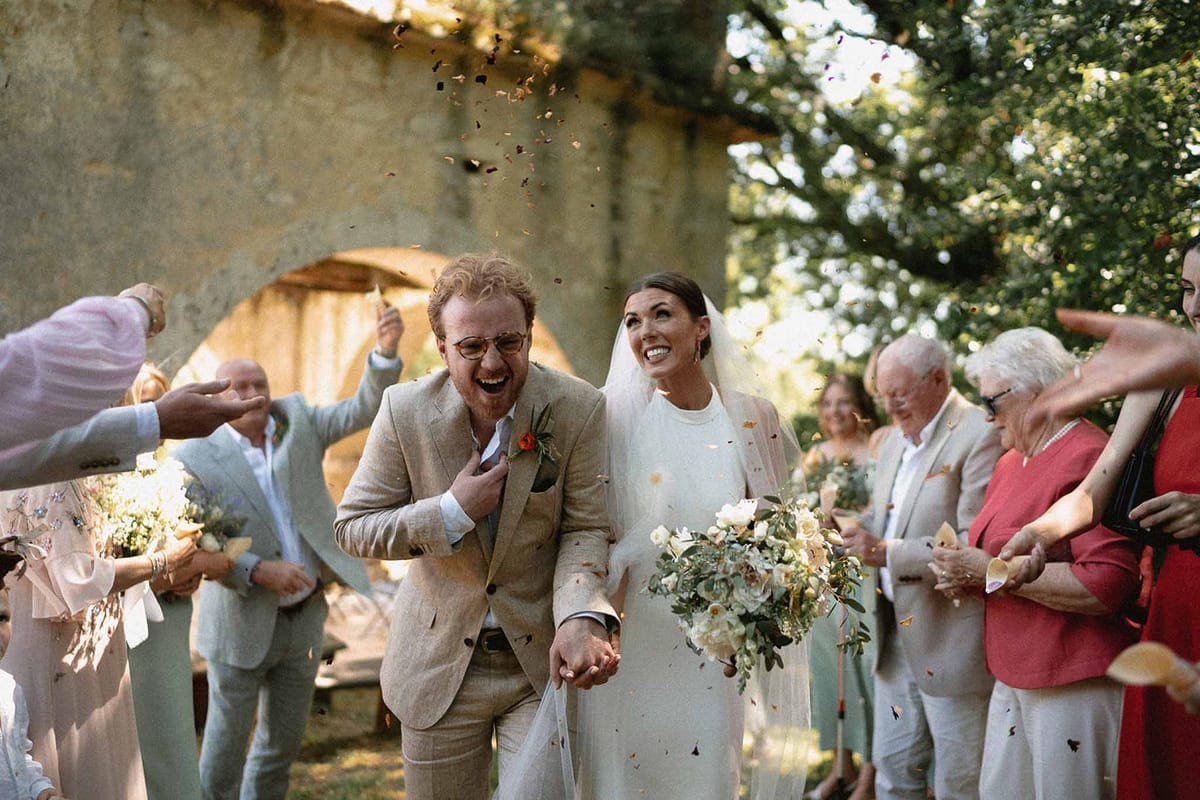
Weddings are so much more than just vows, pretty dresses, and a big party - they’re packed with meaning, emotions, and little traditions that have been around forever. And tucked away behind all the romance is this fascinating world of superstition. In France (and honestly, all over the world), couples have been turning to sweet symbolic rituals for centuries - things like tossing confetti for good luck or slipping a coin in your shoe so fortune follows you down the aisle. They’re part folklore, part magic, and part comfort blanket. And you know what? People still love them. Whether it’s about honouring family traditions, adding a touch of romantic symbolism, feeling like you’re in control of the day, or just keeping grandma happy, these little superstitions still have a way of shaping how we say “I do.”
Related Article: French Wedding Traditions
Key Insights
- Weddings are rich with superstitions that promise good luck, protect from misfortune, and connect couples to cultural traditions.
- Common good luck rituals like crying on the wedding day, carrying a horseshoe, or tossing confetti are still embraced around the world.
- Bad luck superstitions warn against actions such as seeing each other before the ceremony or wearing pearls, which are believed to bring sorrow.
- Different countries have unique customs, from breaking glass in Italy to sugar cubes in Greece and ancestor blessings in Asia.
- Even wedding dates carry meaning, with ancient folklore advising against May weddings or Saturday ceremonies.
- Modern couples personalize superstitions, choosing to follow, adapt, or skip traditions based on personal beliefs or family expectations.
What wedding superstitions bring good luck?
Across France and around the world, weddings are steeped in long-standing beliefs that promise to bring fortune, fertility, and protection to the newlyweds. While many of these superstitions may seem quaint or quirky today, their roots lie in centuries of folklore, symbolism, and ritual. Here are some of the most well-known good luck superstitions embraced in France and beyond:
- “Something Old, Something New, Something Borrowed, Something Blue”
This beloved rhyme, often cited in modern weddings, is believed to offer a well-rounded blessing to the bride: “something old” connects her to her past and family heritage, “something new” symbolises a hopeful future, “something borrowed” is meant to pass along the happiness of another successful marriage, and “something blue” stands for loyalty, love, and fidelity.
- Crying on the wedding day
Though tears are often seen as a sign of sadness, wedding folklore flips this notion - if the bride cries on her wedding day, it’s thought to symbolically release all sorrow before the marriage begins, ensuring that no tears will need to be shed during her future married life.
- Throwing rice or confetti
Originating as a fertility ritual, throwing rice - or today, eco-friendly confetti - over the newlyweds as they exit the ceremony is a symbolic gesture of wishing them prosperity, abundance, and a fruitful union, both in family and fortune.
- Carrying the bride over the threshold
This custom dates back to ancient beliefs that evil spirits could linger at doorways; by lifting the bride into their new home, the groom protects her from harm and ushers her into a secure and blessed beginning.
- Ringing bells to ward off bad spirits
In Irish and French traditions, the sound of bells is believed to dispel negativity and evil forces. Wedding bells - whether rung in ceremony or carried in miniature form - are thought to bless the couple with harmony and happiness.
- Finding a spider on the dress
Though the idea might make some brides shudder, spotting a spider on the wedding gown is considered an omen of wealth and good fortune in English and some French countryside traditions. It’s a gentle reminder that luck can appear in the most unexpected places.
- Horseshoe or coin traditions (e.g. sixpence in the shoe)
In Victorian and Celtic customs, a bride might carry a horseshoe charm or tuck a sixpence coin into her shoe - both are believed to attract good fortune, financial security, and a marriage rooted in luck and prosperity.
Common Bad Luck Wedding Superstitions
While weddings are filled with joy and hope, many cultures - including in France - carry a list of long-held superstitions that warn against certain actions believed to bring misfortune or sorrow. Whether followed out of genuine belief, family tradition, or playful precaution, these “bad luck” wedding superstitions remain part of the conversation for many couples preparing to tie the knot. Here are some of the most well-known superstitions to avoid on the big day:
- Seeing each other before the ceremony
This superstition dates back to the era of arranged marriages, when families feared that if the groom saw the bride before the ceremony, he might back out; today, the tradition is often kept not just to avoid “bad luck” but to heighten the emotional impact of seeing each other for the first time at the altar.
- Dropping the wedding rings
Considered one of the more ominous signs, dropping the rings during the ceremony is believed in some cultures to foreshadow a broken union or even death, though today it’s more often seen as a sign to take extra care during this symbolic exchange.
- Wearing pearls on the wedding day
Though they’re often passed down as heirlooms, pearls are thought by some to represent future tears - each pearl symbolising a moment of sadness or struggle in the marriage, leading some brides to avoid them entirely on their wedding day.
- Receiving knives as a gift
According to old folklore, gifting knives to a couple is seen as a bad omen, symbolising a potential ‘cut’ or division in the relationship; in France and elsewhere, this superstition is sometimes countered by giving a coin in exchange, turning the gift into a purchase rather than a symbolic threat.
- Using your married name before the wedding
Some believe that referring to yourself by your new name - or even monogramming items with it - before the wedding day tempts fate, possibly leading to cancellation or misfortune before the vows are even said.
- Crossing paths with a nun or monk
In traditional British and some French folklore, encountering a nun or monk on the way to your wedding was considered unlucky, as these figures represented celibacy and poverty - traits couples traditionally wished to avoid invoking on their wedding day.
- Breaking glass or mirrors
While breaking glass is considered lucky in some cultures, in others - including parts of France - it’s seen as a bad omen, linked to fractured relationships or seven years of misfortune, depending on the object and circumstance.
- Choosing an unlucky wedding date (e.g. May or Saturday)
In ancient Roman and Celtic belief systems, May was considered a month of mourning, and thus an unlucky time to marry, while Saturday - ironically now the most popular wedding day - was once viewed as the least fortunate day of the week for matrimony.
Global Wedding Superstitions and Cultural Variations
Wedding superstitions are a universal phenomenon - but the rituals, beliefs, and symbols vary widely by region. From France to Asia, each culture brings its own blend of ancient folklore and ceremonial customs to protect couples from misfortune and bless their new union with luck, love, and longevity. These time-honoured traditions reflect the deep cultural values behind marriage and offer a fascinating look at how the world celebrates and safeguards this milestone.
France
- La Soupe: In a playful French custom, guests mix wedding leftovers into a chamber pot and offer it to the newlyweds to “drink” as a symbolic way to flush out bad luck and begin their marriage clean.
- Veil, threshold, and bouquet rituals: French weddings often include classic European superstitions - like wearing a veil to protect against evil spirits, being carried over the threshold for safety, and tossing the bouquet to pass on love luck.
United Kingdom & Ireland
- Bells, spiders, and sixpence: Irish and British weddings may include bells to ward off evil, welcome spiders on the dress as a sign of good fortune, and tuck a sixpence into the bride’s shoe for lifelong prosperity.
- Weekday wedding rhyme: An old Celtic verse warns couples to avoid Saturday weddings, once considered the most unlucky day to marry.
Italy
- Breaking glass: In Italian tradition, the couple smashes a glass or vase at the reception - the more pieces it breaks into, the more years of happiness the marriage is believed to hold.
Greece
- Sugar cubes: A bride may carry a sugar cube in her glove or bouquet to ensure a sweet and joyful marriage.
United States
- Bouquet and garter toss: These playful traditions are rooted in passing along luck in love, with the catchers believed to be next to marry.
- Wedding cake topper: Popularized by Queen Victoria, the cake topper symbolizes unity and a happy, stable marriage.
Asia
- Red as a lucky color: In many Asian cultures, red is used in wedding attire and decor to symbolize happiness, fortune, and fertility.
- Numerology and ancestor blessings: Wedding dates are chosen based on lucky numbers, and many ceremonies include offerings or tributes to ancestral spirits for protection and blessings.
Jewish
- Breaking of the Glass: At the end of the ceremony, the groom breaks a glass, traditionally by stepping on it. This is a symbolic act that serves as a reminder of the destruction of the Temple in Jerusalem, as well as a metaphor for the fragility of life and marriage. It’s also a joyous moment, often followed by a shout of “Mazel Tov!”
What are the superstitious days to get married?
For many couples, choosing a wedding date is all about availability, weather, and personal meaning - but in many cultures, timing holds deeper symbolic weight. Folklore across Europe and beyond offers guidance on which days and months to avoid, often rooted in ancient beliefs about fortune, fertility, and fate. Here are some of the most enduring superstitions about when not to get married - and why.
What’s the superstition about weekdays?
An old Celtic rhyme suggests that certain weekdays carry specific outcomes: Monday brings wealth, Tuesday health, Wednesday is best of all - while Thursday through Saturday were seen as unlucky, with Saturday once considered the worst day to marry.
Which months are unlucky and why?
- May: In ancient Rome, May was associated with rituals for the dead, and weddings during this month were believed to invite misfortune - giving rise to the phrase “Marry in May, rue the day.”
- July: Folklore claims that July weddings may lead to a marriage filled with toil and hardship, making it a month approached with caution in some traditions.
Should You Include Superstitions in Your Wedding?
In today’s world, weddings are deeply personal - and so is the decision to embrace or skip superstitions. For some couples, these age-old beliefs are cultural cornerstones or cherished family traditions. For others, they’re symbolic gestures, playful rituals, or simply unnecessary. Whether you follow them to the letter or adapt them for fun, superstitions can offer a meaningful layer to your celebration - if they resonate with you.
- Personal beliefs vs. cultural expectation
The choice to include superstitions often depends on the balance between what feels right personally and what’s expected by family or cultural norms - especially in communities where omitting certain customs may be seen as disrespectful.
- Modern interpretations: symbolic, ironic, or fun
Many couples today reframe superstitions as symbolic or tongue-in-cheek traditions - like wearing “something blue” for style, or staging a first look before the ceremony despite old beliefs about bad luck.
- Tips for honouring or modifying traditions
Consider customizing superstitions to reflect your values - like exchanging heirloom coins instead of a sixpence, or using cultural elements as décor rather than ritual - so you can honour heritage without feeling bound by it.
Why incorporate wedding superstitions in your wedding ceremony in france
While some superstitions may seem outdated or whimsical, their staying power speaks to something deeper: our desire to mark life’s biggest moments with meaning. Whether it’s avoiding pearls or embracing a horseshoe, each tradition carries with it a story - one passed down, reimagined, or adapted with love. In France and around the world, wedding superstitions continue to evolve, allowing modern couples to choose which rituals resonate most. In the end, what matters isn’t whether you believe in luck - it’s how you choose to honour your values, your culture, and the beginning of your life together.
Related Posts
More about Wedding Traditions

![19 French Wedding Songs [Updated 2025]](https://frenchweddingstyle.com/cdn-cgi/image/quality=65,format=auto,fit=cover,width=1200/https://cdn.frenchweddingstyle.com/2024/07/Kathy_Baerg_Beauty_Beast_FirstDanceTwirl.jpg)
Planning a Destination Wedding in France?
Our complete guide covers everything from choosing a region to the morning-after breakfast.
Read the Complete Guide